Welcome to Shandong Fuxing Machinery Co., Ltd.
What Is the Difference Between Metal Stamping and Stamping? — A Detailed Guide
In modern manufacturing, stamping is one of the most important processing methods. It not only plays a vital role in machinery manufacturing but is also indispensable in industries such as automobiles, home appliances, electronics, and light industry. Many people are confused when they hear the terms stamping and metal stamping, often assuming they are exactly the same. In fact, the two are closely related but not identical. This article explains their relationship and differences from the perspectives of definition, process classification, material scope, application areas, and future trends.
1. The Basic Concept of Stamping
Stamping refers to a processing method in which a press and die apply external force to a material, causing separation or plastic deformation to obtain parts of the desired shape and size. It belongs to the category of metal pressure processing and is also considered a highly efficient forming technology.
Key features of stamping include:
It relies on dies, enabling high productivity.
Most operations are performed at room temperature, often referred to as cold stamping.
It allows large-scale, low-cost production with stable precision and consistency.
It is important to note that stamping is not limited to metals. In a broad sense, stamping can also be applied to plastics, rubber, fiber, and composite materials.
2. Classification of Stamping Processes
To better understand the scope of stamping, we can look at its main process categories. Stamping can be divided into two major types:
Separation Processes
The material is separated along a defined contour by pressure.
Common methods include blanking, punching, trimming, notching, and cutting.
The material fractures, but the cut surface remains smooth and precise.
Forming Processes
The material undergoes plastic deformation under pressure, changing its shape or dimensions without being separated.
Typical methods include bending, deep drawing, flanging, bulging, and spinning.
The material remains continuous while forming new geometries.
Thus, stamping is a broad concept that covers various techniques of cutting, bending, drawing, and forming, applied across many industries.
3. What Is Metal Stamping?
Metal stamping is the most common form of stamping. It specifically refers to stamping processes that use sheet metal as raw material. This forms the core of stamping technology and plays a critical role in the industrial system.
Key characteristics of metal stamping include:
Lightweight yet strong: Sheet metal parts can combine low weight with high structural strength.
High precision and consistency: The use of dies ensures stable dimensions and repeatability.
High productivity: Well-suited for mass production with low unit costs.
Versatility: Applicable to a wide range of parts, from miniature electronic components to large mechanical structures.
Metal stamping is one of the most fundamental and widely used processes in modern industry.
4. The Relationship Between Stamping and Metal Stamping
The relationship can be summarized in one simple sentence:
All metal stamping is stamping, but not all stamping is metal stamping.
In other words:
Stamping is a general term that includes processing of both metallic and non-metallic materials.
Metal stamping is the most important sub-category, focused solely on sheet metal processing.
This is similar to the relationship between “plants” and “trees.” Plants represent the broader category, while trees are one of its most significant parts. Likewise, metal stamping is the most representative part of stamping.
5. Key Differences Between the Two
Material Range
Stamping: Can process both metals and non-metals.
Metal stamping: Limited to metallic materials, especially sheet metals.
Application Scope
Stamping: Can be used for metal parts as well as plastic or composite components.
Metal stamping: Primarily used in automotive, machinery, home appliances, construction, and hardware.
Process Characteristics
Stamping: Emphasizes the diversity of forming and separation processes, covering a wide range of materials.
Metal stamping: Focuses on the plasticity and ductility of metals, with higher requirements for precision and strength.
6. Future Trends
As manufacturing continues to evolve, both stamping and metal stamping are moving toward efficiency, intelligence, and sustainability:
Automation and Intelligence
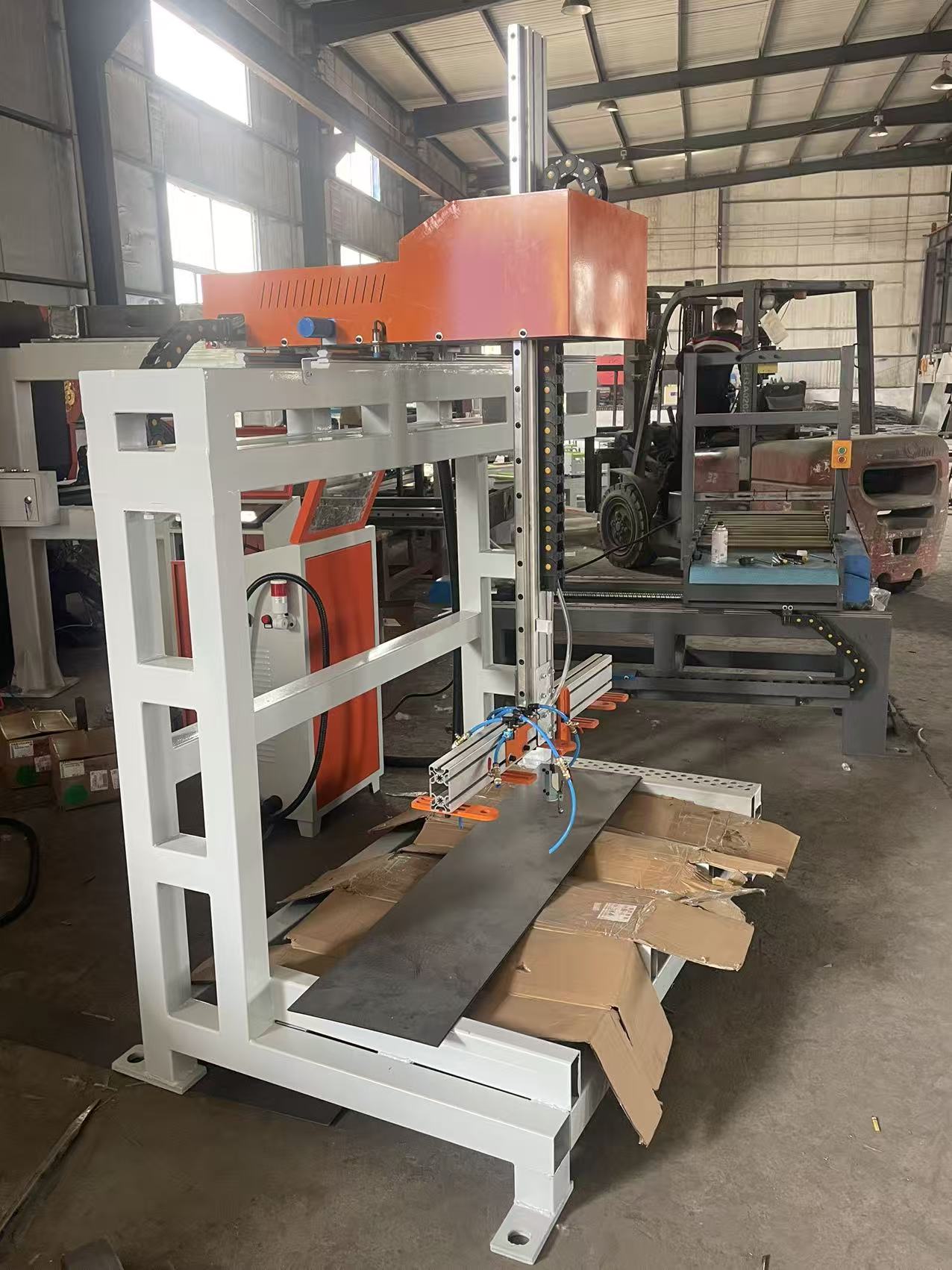
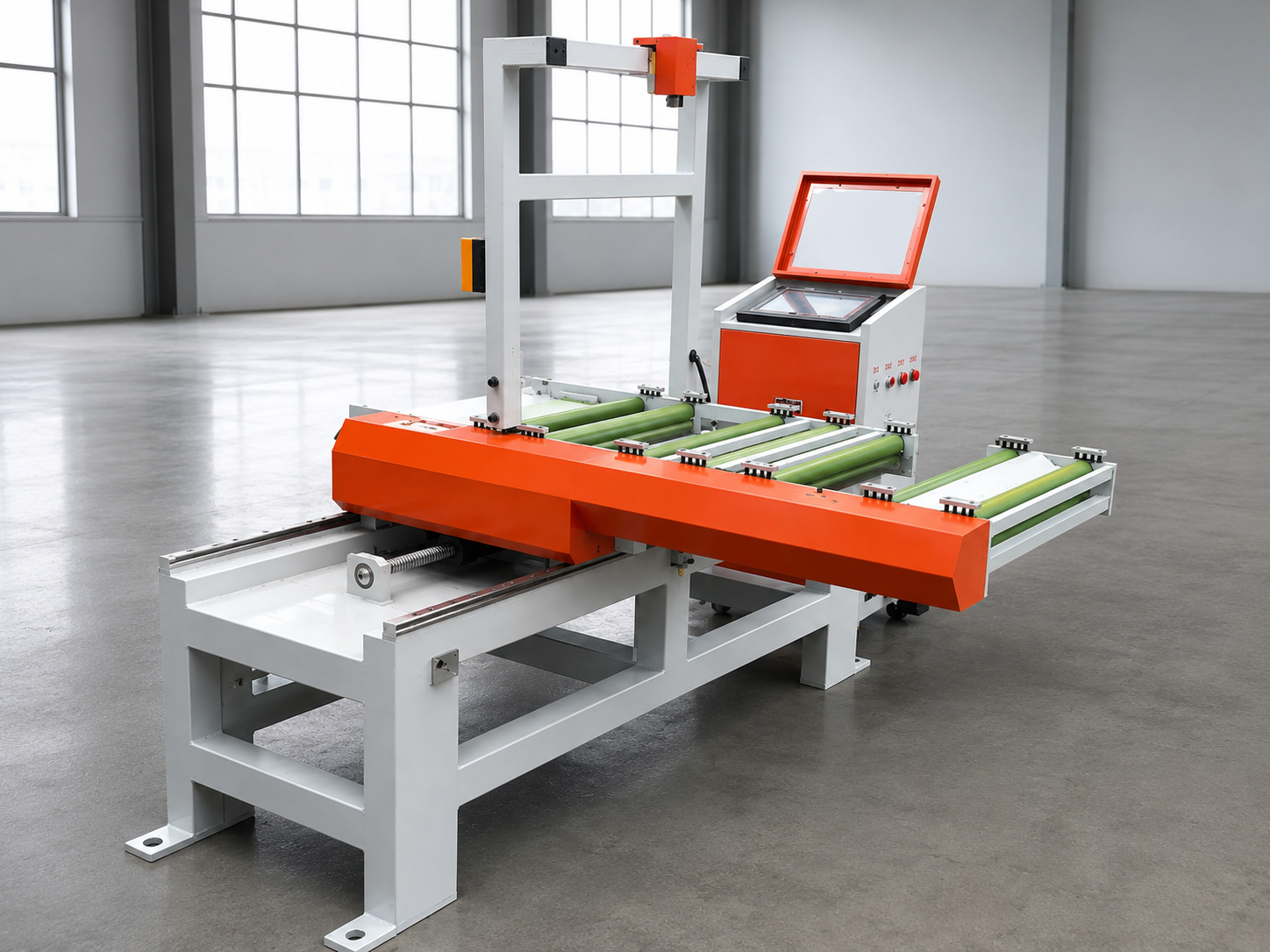
Modern stamping lines increasingly adopt robots, automatic feeders, and smart detection systems, enabling unmanned operations.Material Diversification
In addition to traditional steel sheets, aluminum alloys, high-strength alloys, and lightweight composites are becoming more common.Green Manufacturing
Stamping generates no chips, has high material utilization, and aligns with energy-saving and environmental protection goals. Metal stamping, in particular, will increasingly integrate eco-friendly practices.Precision Manufacturing
As industries demand higher accuracy, stamping processes are developing toward greater precision and consistency.
7. Conclusion
Stamping is a broad processing technology that applies to both metals and non-metals. Metal stamping, however, is its most important branch, dedicated to sheet metal forming and separation.
Understanding the relationship between the two helps us better appreciate the foundations of modern manufacturing. In simple terms:
Stamping = the broad category
Metal stamping = the most important sub-category
Looking ahead, as automation and smart technologies continue to advance, metal stamping will remain a cornerstone of industrial production, while stamping as a whole will keep expanding with new materials and applications.
🔗 To learn more about stamping machines, pneumatic presses, and integrated metal stamping solutions, visit our official website: www.fuxingmachinery.com