Welcome to Shandong Fuxing Machinery Co., Ltd.
Automatic Loading Device + Vision Feeder + Power Press: Building an Unmanned Stamping Process
In traditional metal stamping production, a power press can perform high-speed and continuous stamping. However, loading, positioning and feeding the workpieces may still require manual operation.
As production volumes increase, manual loading can affect production consistency and efficiency. Repetitive handling can also lead to positioning variations caused by operator fatigue or differences in working habits.
This is why many manufacturers are moving from individual press automation toward a more complete automated metal stamping solution.
By combining an automatic loading device, vision feeder and power press, manufacturers can reduce manual intervention and create a continuous production process from loading and visual positioning to feeding and stamping.
What Is Unmanned Automatic Stamping?
Unmanned stamping is more than simply running a power press automatically.
A truly automated stamping process needs to address several stages of production:
How are workpieces loaded automatically?
How is the position of each workpiece identified?
How is accurate feeding achieved?
How does the feeder communicate with the press?
How can the entire process continue automatically?
A typical automated stamping cell can therefore combine:
Automatic Loading Device + Vision Feeder + Power Press + Stamping Die
These systems work together to reduce repetitive manual loading and positioning operations.
How Does the System Work?
1. Automatic Loading
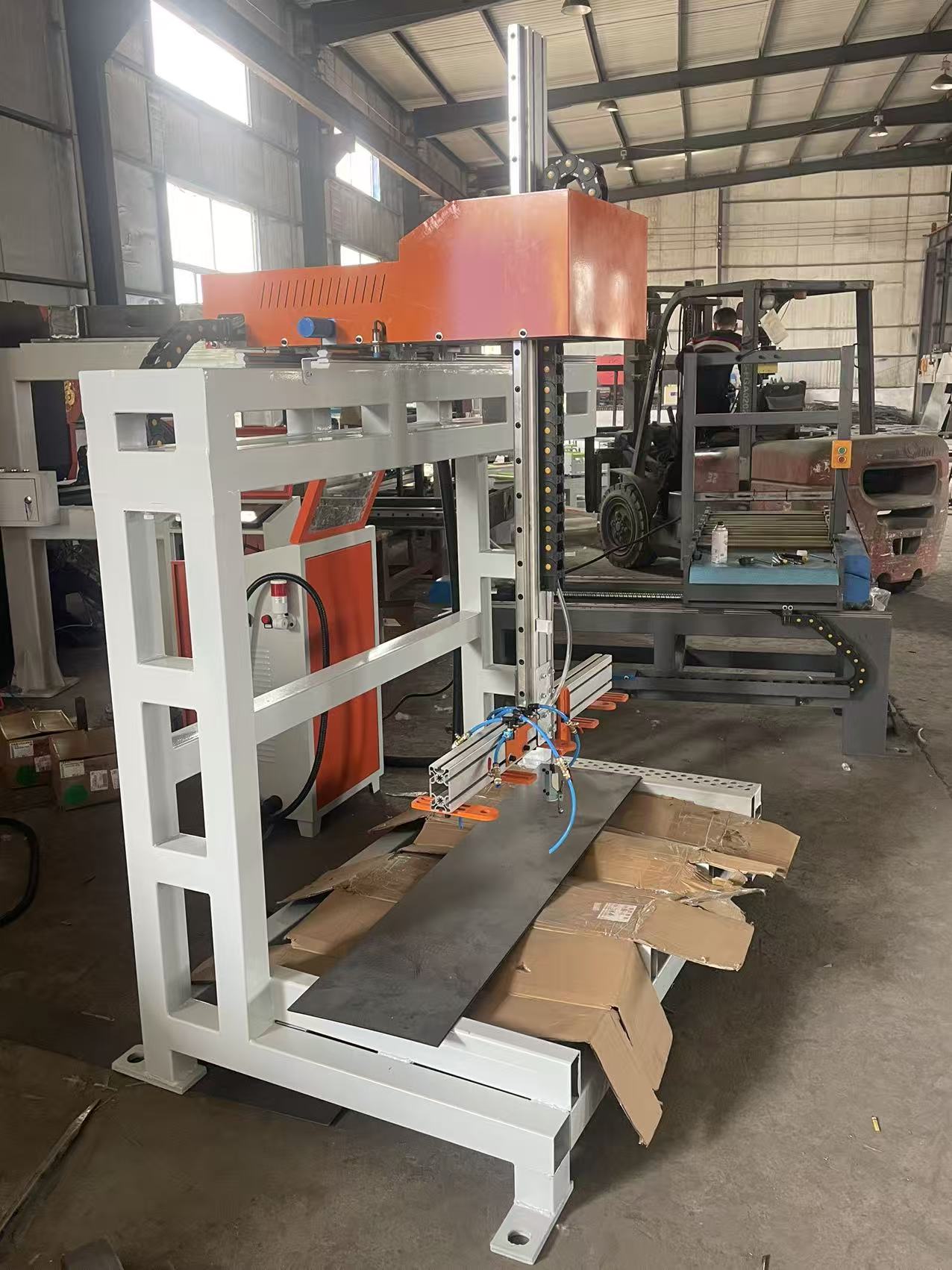
The automatic loading device transfers raw sheets or workpieces into the production area.
Instead of requiring an operator to repeatedly pick up and place each workpiece, automatic loading helps create a more continuous material supply.
This is an important first step toward automated stamping production.
2. Vision Recognition
After loading, the workpiece may not always be in exactly the same position or orientation.
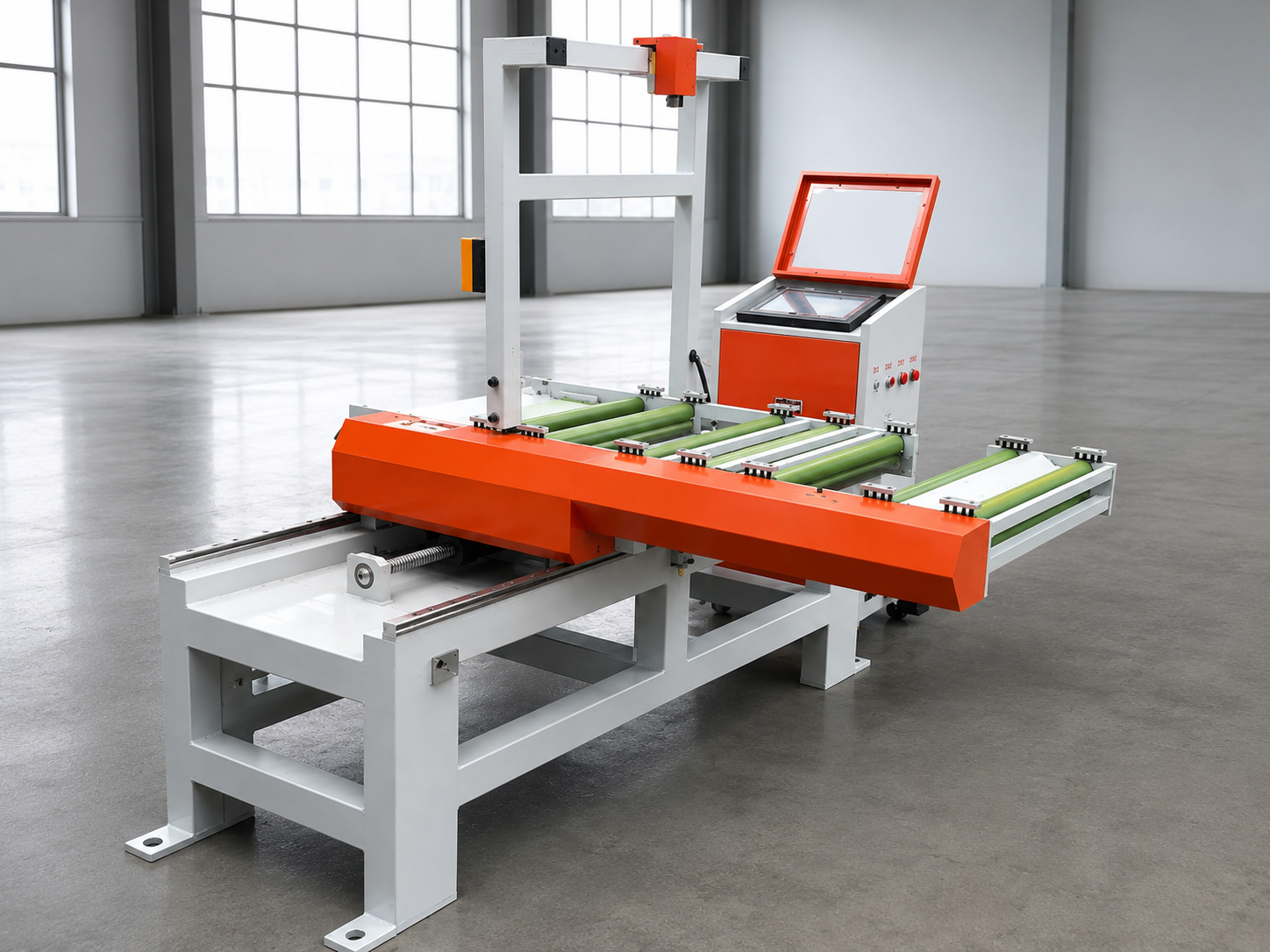
The vision feeder uses a vision system to identify the actual position and orientation of the workpiece.
The system can then adjust the feeding position according to the recognition result.
In simple terms, the vision system allows the automation equipment to “see” where the workpiece is before feeding it into the stamping process.
3. Automatic Feeding
After the workpiece is identified, the vision feeder moves it to the required position according to the programmed production sequence.
The feeder and power press work together according to the required production cycle.
This reduces positioning variations that can occur during manual feeding and helps maintain a more consistent production rhythm.
4. Continuous Stamping
Once the workpiece reaches the correct position, the power press performs the stamping operation.
Depending on the product and die design, the process can be used for forming, punching, trimming and other metal forming operations.
After one workpiece is processed, the system continues with the next loading, recognition, feeding and stamping cycle.
The result is a continuous automated production process.
Why Is Vision Feeding Important?
Conventional automatic feeding systems often require workpieces to enter the feeding area in a relatively fixed position.
In real production environments, however, workpieces may have:
Different positions
Different orientations
Different spacing
Irregular shapes
Position variations caused by manual loading
Without vision recognition, the automation system may require much tighter control over how workpieces are placed before entering the feeder.
A vision feeder adds an important process:
Recognition → Positioning → Adjustment → Feeding
This can make an automated stamping system more flexible.
For products with irregular shapes, variable orientations or less predictable positioning, vision-based feeding can provide additional flexibility for automated production.
What Can Automated Stamping Bring to Your Factory?
Less Manual Handling
Traditional stamping may require operators to repeatedly pick up, place, position and feed workpieces.
Automatic loading and vision feeding can reduce these repetitive tasks.
More Consistent Production
Automated equipment can follow a programmed production sequence without continuously changing its rhythm because of differences in manual loading.
This is particularly valuable for high-volume production.
More Stable Feeding
Manual operations can be affected by operator experience, fatigue and working habits.
An automated system follows programmed movements and can provide more consistent loading and feeding.
Less Dependence on Repetitive Labor
Automation is not simply about reducing the number of workers.
More importantly, it reduces dependence on repetitive manual operations and allows workers to focus on monitoring, maintenance and other higher-value tasks.
A Path Toward Unmanned Production
When automatic loading, vision recognition, feeding and stamping equipment work together, the production cell can move further toward unmanned or minimally attended production.
Depending on the product and production requirements, operators may still be needed for material replenishment, equipment monitoring, die maintenance and handling abnormal situations.
Therefore, “unmanned production” is better understood as:
Reducing manual intervention, rather than completely eliminating human supervision.
What Products Can Use This Automation?
This type of automated stamping solution can be adapted to a wide range of metal forming applications, including:
Metal stamping parts
Metal brackets
Automotive components
Appliance components
Connecting parts
Sheet metal stamping parts
Washers and other hardware products
The actual automation configuration should be selected according to the product size, material, thickness, shape, stamping process and required production volume.
From a Single Press to a Complete Automated Stamping Solution
A high-performance power press can complete the stamping process, but overall production efficiency depends on much more than the press itself.
Loading, positioning, feeding, tooling and communication between different machines all play an important role.
That is why we focus on the customer's actual production requirements.
Based on your product samples, drawings, material and production requirements, the power press, automatic loading device, vision feeder and stamping dies can be matched into an integrated production solution.
From a single press, to automatic feeding, to a complete automated stamping cell, each solution can be configured according to the actual production needs.
The right press is only the beginning. The right automation makes the difference.
Looking to Automate Your Stamping Process?
If you are looking for an automatic stamping machine, vision feeding system or an automated metal stamping solution, send us your product samples, drawings, material information and production requirements.
We can help match the appropriate:
Power Press + Automatic Loading Device + Vision Feeder + Stamping Die + Automation System
From a single press to a complete metal stamping automation solution.