Welcome to Shandong Fuxing Machinery Co., Ltd.
What Is a Pneumatic Power Press?
A Complete Guide to Its Working Principle, Advantages, and Applications
In modern metal manufacturing, the pneumatic power press is one of the most widely used stamping machines. From automotive parts and home appliance components to hardware fittings, construction hardware, and stainless steel products, countless metal parts are produced through pneumatic stamping processes.
As manufacturers continue to pursue higher productivity, greater precision, and increased automation, traditional mechanical presses are gradually being replaced by more efficient and safer pneumatic power presses. But what exactly is a pneumatic power press? How does it work? What industries use it, and what advantages does it offer? This article provides a comprehensive overview.
What Is a Pneumatic Power Press?
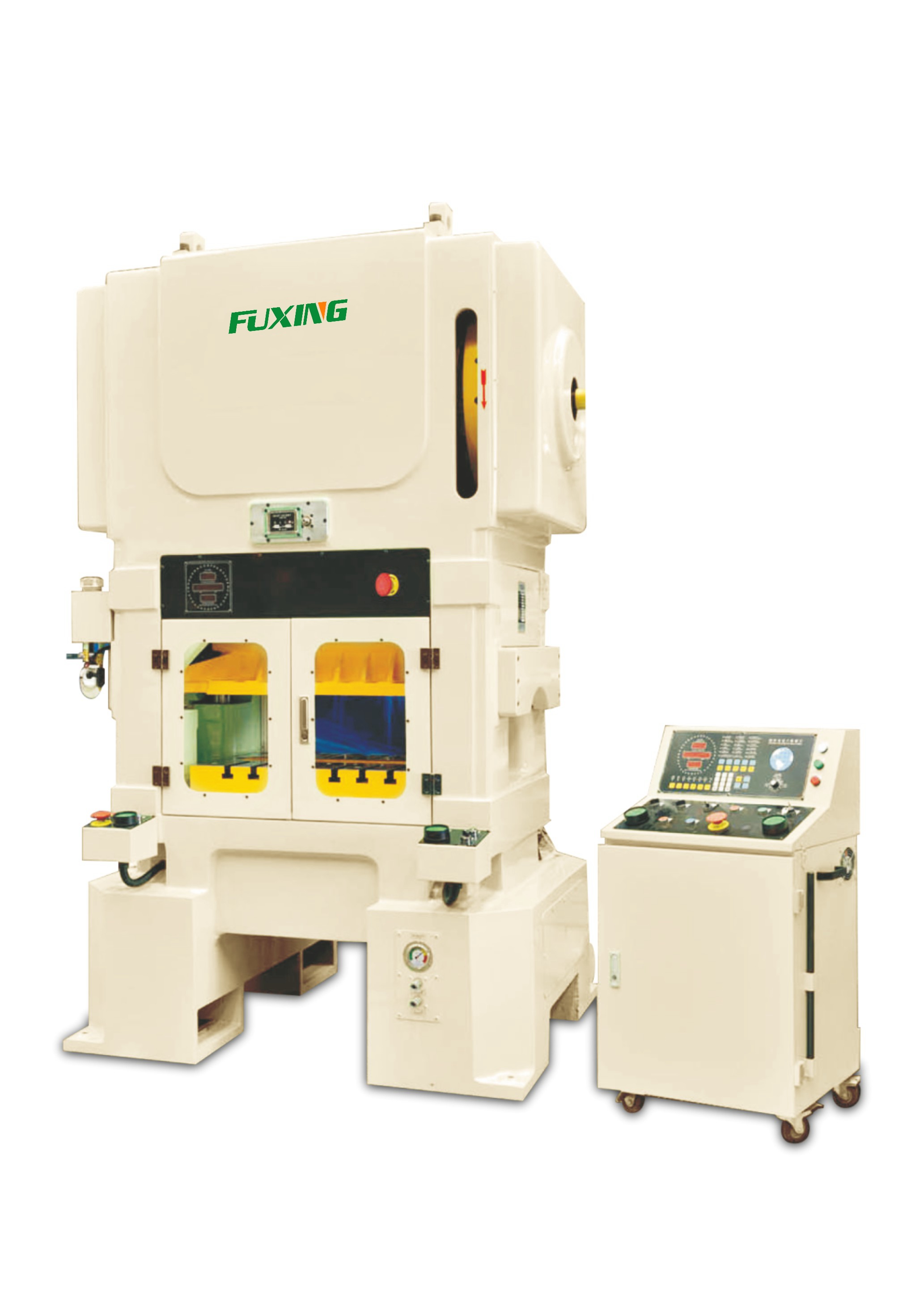
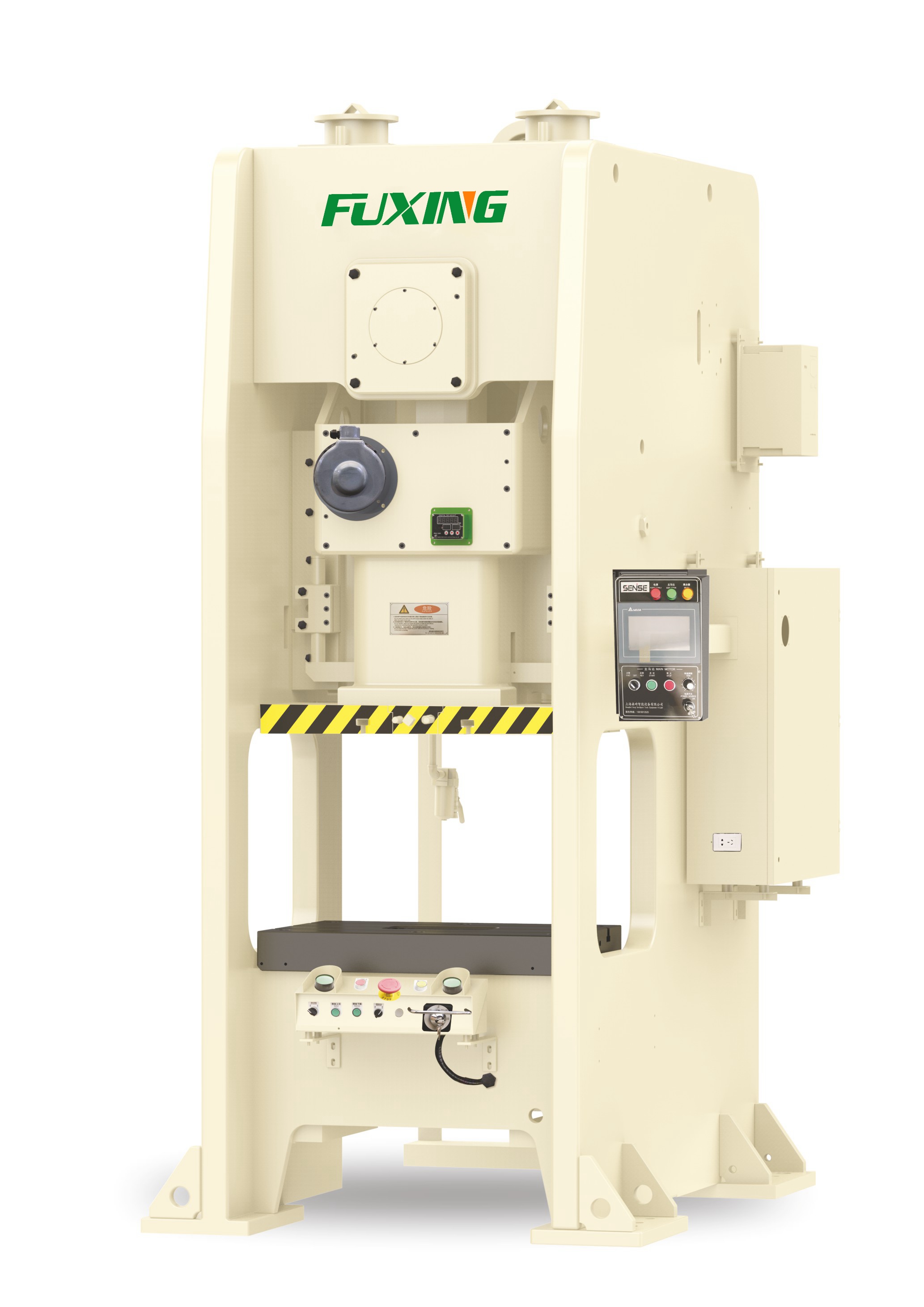
A Pneumatic Power Press is a mechanical stamping machine that uses an electric motor to drive a flywheel and store energy, while compressed air controls the clutch and brake system to engage and stop the press cycle.
Unlike conventional presses equipped with rigid mechanical clutches, pneumatic power presses utilize advanced pneumatic clutch and brake systems that provide faster response times, improved operational safety, higher precision, and greater production efficiency.
Today, pneumatic power presses are widely used in industries such as automotive manufacturing, electrical appliances, electronics, hardware production, renewable energy, and metal fabrication.
How Does a Pneumatic Power Press Work?
The operating principle of a pneumatic power press is relatively straightforward.
First, an electric motor continuously drives the flywheel, which stores rotational energy. When a stamping command is issued, compressed air enters the pneumatic clutch, engaging it instantly and transmitting the stored energy from the flywheel to the crankshaft.
The crankshaft then converts rotational motion into the reciprocating vertical movement of the slide. As the slide moves downward, the die performs operations such as punching, blanking, bending, drawing, or forming.
After the stamping cycle is completed, the clutch disengages immediately while the brake system activates simultaneously, stopping the slide at a predetermined position.
This rapid and precise process makes pneumatic power presses ideal for continuous, high-volume, and automated production environments.
Main Components of a Pneumatic Power Press
A typical pneumatic power press consists of the following key components:
Frame
Flywheel
Crankshaft System
Pneumatic Clutch & Brake
Slide (Ram)
Bolster Plate
Lubrication System
Electrical Control System
Among these components, the pneumatic clutch and brake assembly is considered the heart of the machine, directly affecting operational safety, stability, and service life.
Key Advantages of Pneumatic Power Presses
Enhanced Safety
Safety is one of the most important factors in modern stamping operations.
The pneumatic clutch and brake system provides:
Fast braking response
Accurate stopping position
Quick emergency stop capability
Reduced risk of workplace accidents
Additional safety devices such as light curtains, dual-hand controls, and safety monitoring systems can further improve operator protection.
High Stamping Precision
A rigid machine frame combined with precision guide systems minimizes slide deflection and improves repeatability at the bottom dead center.
This results in:
Better dimensional consistency
Higher product quality
Longer die life
Reduced production waste
These benefits are especially important for precision stamping and progressive die applications.
Increased Productivity
Standard pneumatic power presses typically operate at speeds ranging from 35 to 80 strokes per minute (SPM), while high-speed models can achieve 100 to 400 SPM or more.
Higher production speeds help manufacturers lower production costs and improve overall competitiveness.
Excellent Automation Compatibility
Pneumatic power presses can be seamlessly integrated with a wide range of automation equipment, including:
NC Servo Feeders
Decoiler Straightener Feeders (3-in-1 Feeders)
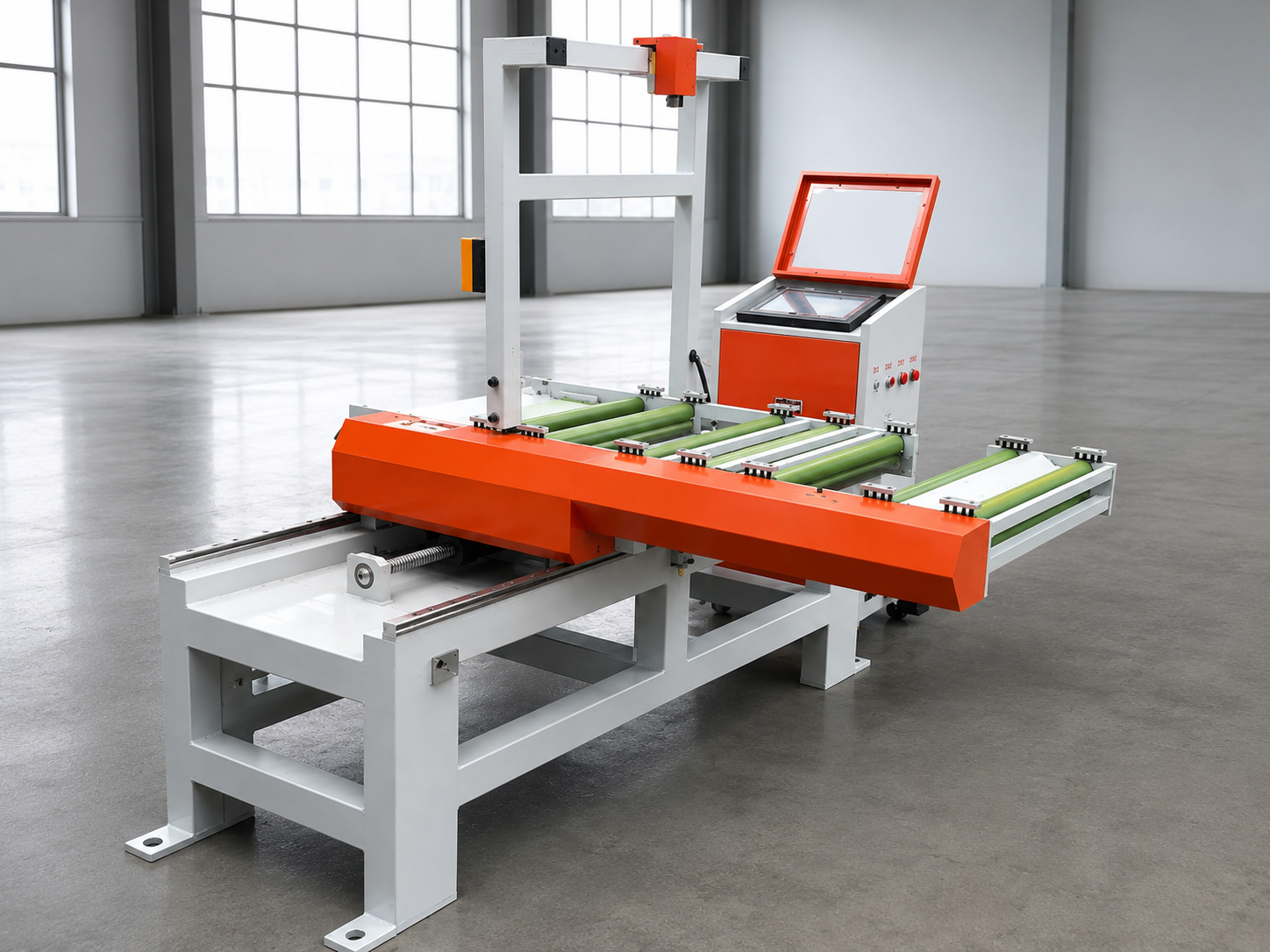
Sheet Feeders
Transfer Systems
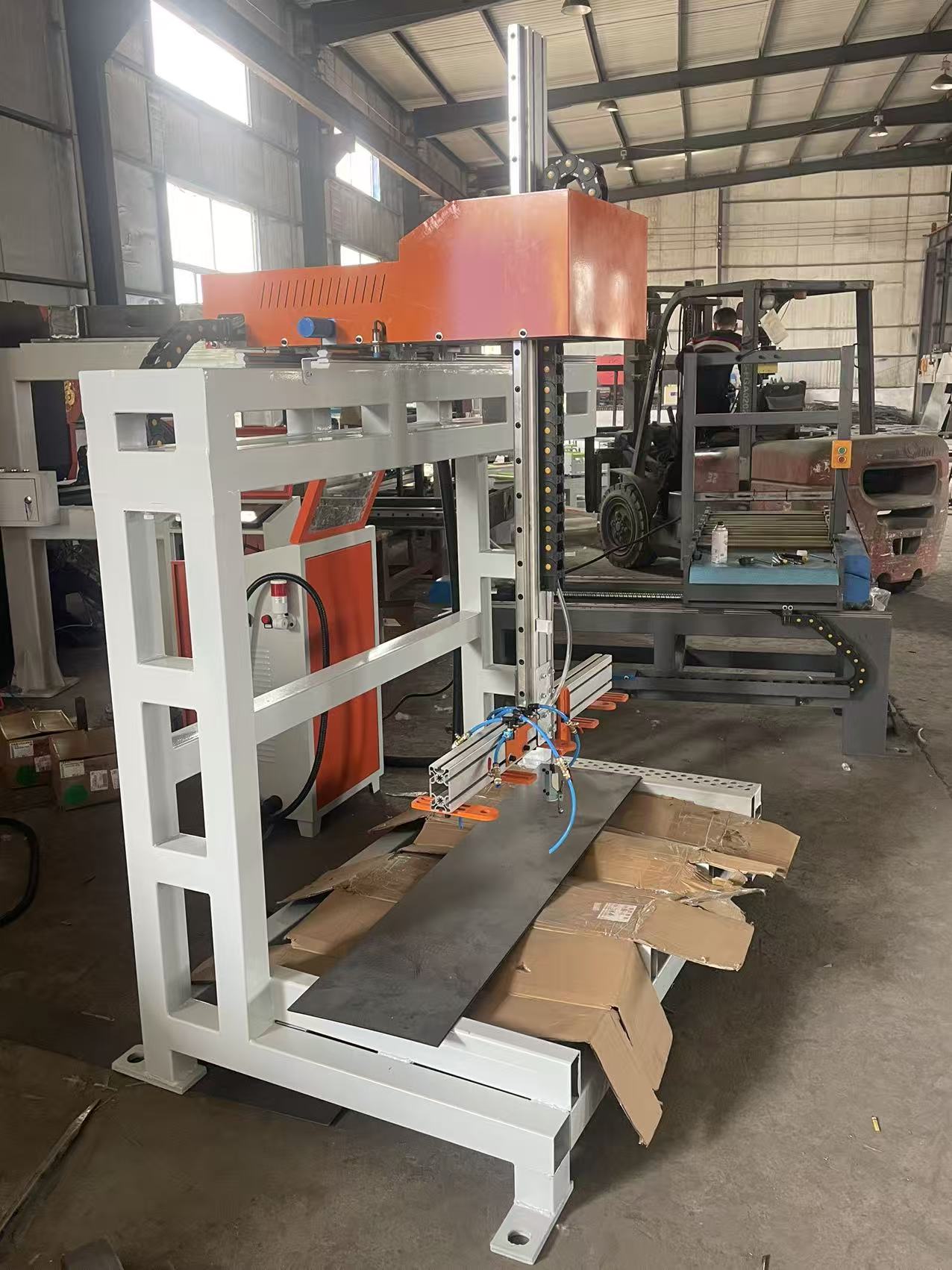
Robotic Handling Systems
Vision Inspection Systems
This integration enables fully automated production lines capable of operating continuously with minimal manual intervention.
Stamping Operations Performed by Pneumatic Power Presses
A pneumatic power press can perform various metal forming operations, including:
Punching
Creating round, square, slotted, or custom-shaped holes in metal sheets.
Blanking
Cutting the final product shape directly from sheet metal.
Bending
Forming metal sheets into specific angles and profiles.
Deep Drawing
Producing deep and complex parts such as containers, housings, and metal shells.
Forming
Creating intricate geometries and functional metal components.
Typical Applications of Pneumatic Power Presses
Due to their versatility, pneumatic power presses are widely used across many industries.
Automotive Industry
Brackets
Reinforcement Plates
Washers
Connectors
Structural Components
Home Appliance Industry
Washing Machine Parts
Air Conditioner Components
Electrical Enclosures
Electronics Industry
Battery Cases
Shielding Components
Electrical Terminals
Construction Hardware Industry
Door and Window Hardware
Hinges
Connectors
Mounting Components
Kitchenware Industry
Stainless Steel Products
Cookware Components
Kitchen Hardware Accessories
Pneumatic Power Presses and Automation Systems
Automation has become a major trend in the metal stamping industry.
Traditional manual feeding methods not only reduce productivity but also increase safety risks. Modern manufacturers increasingly combine pneumatic power presses with advanced feeding systems to achieve continuous and efficient production.
NC Servo Feeders
NC servo feeders provide highly accurate material feeding and are ideal for progressive die applications and precision stamping operations.
3-in-1 Decoiler Straightener Feeders
These systems combine decoiling, straightening, and feeding functions into a single unit, significantly improving productivity and saving factory floor space.
Vision Feeding Systems
Vision feeding systems use industrial cameras and intelligent software to identify material positions automatically.
They can perform:
Position Detection
Orientation Correction
Precision Feeding
Automatic Alignment
Vision feeding technology is particularly suitable for irregular blanks, laser-cut parts, and high-precision automotive or new-energy components.
How to Choose the Right Pneumatic Power Press
Selecting the proper pneumatic power press requires careful consideration of several factors:
Product dimensions and geometry
Material type
Material thickness
Die structure
Production volume requirements
Automation requirements
Future expansion plans
In most cases, it is recommended to maintain a 20%–30% tonnage safety margin to ensure stable long-term operation.
FUXING Pneumatic Power Press Solutions
As a professional Chinese manufacturer of pneumatic power presses, FUXING Machinery specializes in complete metal stamping automation solutions.
Our product range includes:
✔ APA Series Open-Type High Precision Pneumatic Power Presses
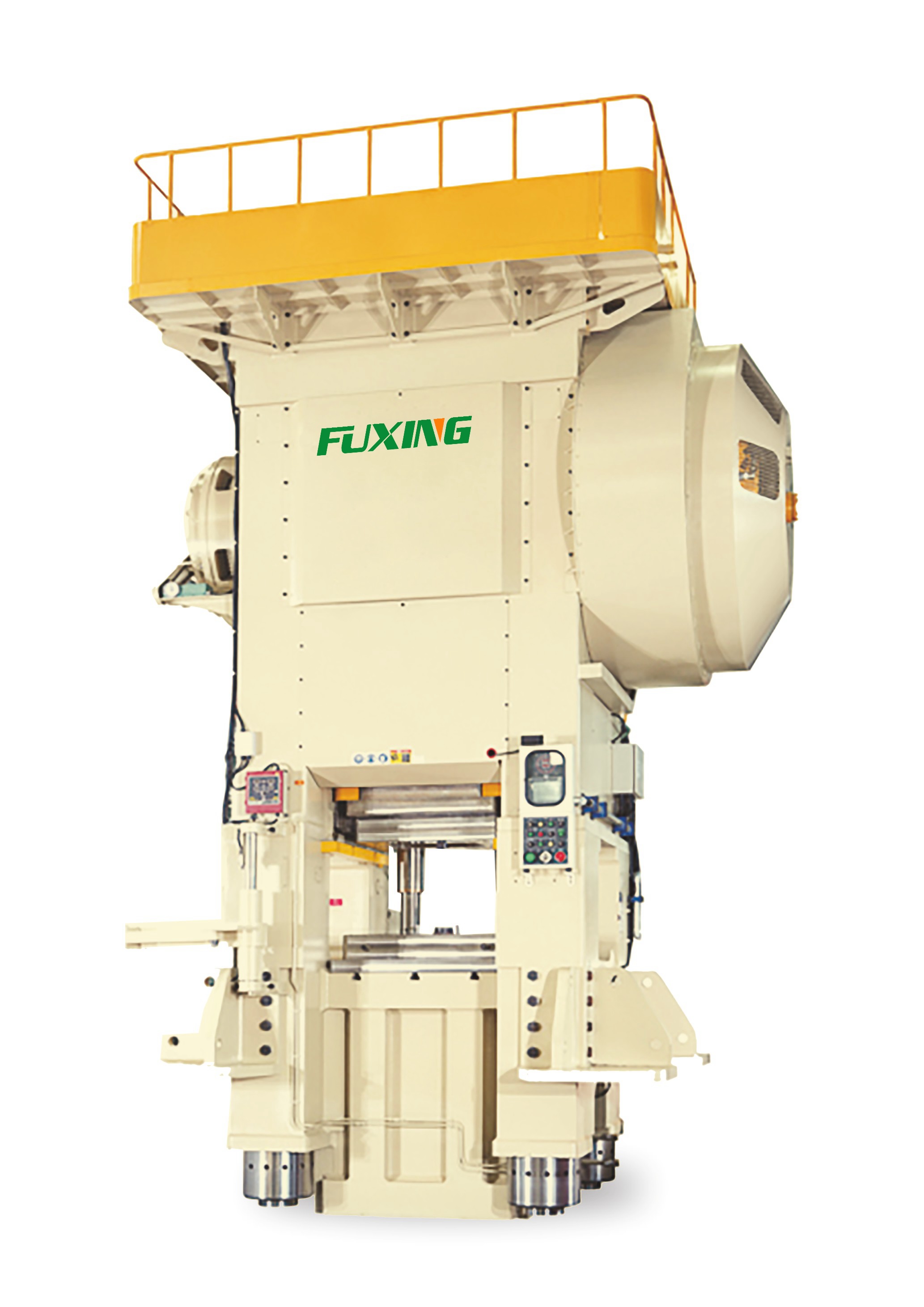
✔ Straight-Side High Precision Presses
✔ NC Servo Feeders
✔ 3-in-1 Decoiler Straightener Feeders
✔ Sheet Feeders
✔ Vision Feeding Systems
✔ Automated Stamping Production Lines
✔ Customized Metal Stamping Solutions
Whether you need a standalone press machine or a complete automated stamping line, FUXING Machinery can provide professional consultation, equipment selection, and technical support tailored to your production requirements.
Learn more at:
Conclusion
Pneumatic power presses have become indispensable equipment in modern metal stamping operations. Their superior safety, precision, productivity, and automation compatibility make them an ideal solution for manufacturers seeking higher efficiency and lower production costs.
As smart manufacturing and industrial automation continue to advance, pneumatic power presses will further evolve toward higher speed, greater intelligence, and enhanced automation, helping manufacturers worldwide achieve sustainable growth and improved competitiveness.