Welcome to Shandong Fuxing Machinery Co., Ltd.
What Is a Metal Stamping Press? A Complete Guide to Metal Stamping Machines, Principles, Structures,
In modern manufacturing, metal components can be found in almost every industrial product. From automotive body structures and household appliance housings to electronic device parts and construction hardware, a vast number of metal products are manufactured through industrial processing technologies. Among these technologies, metal stamping is one of the most important and widely used metal forming processes. The core equipment used to perform this process is known as the metal stamping press.
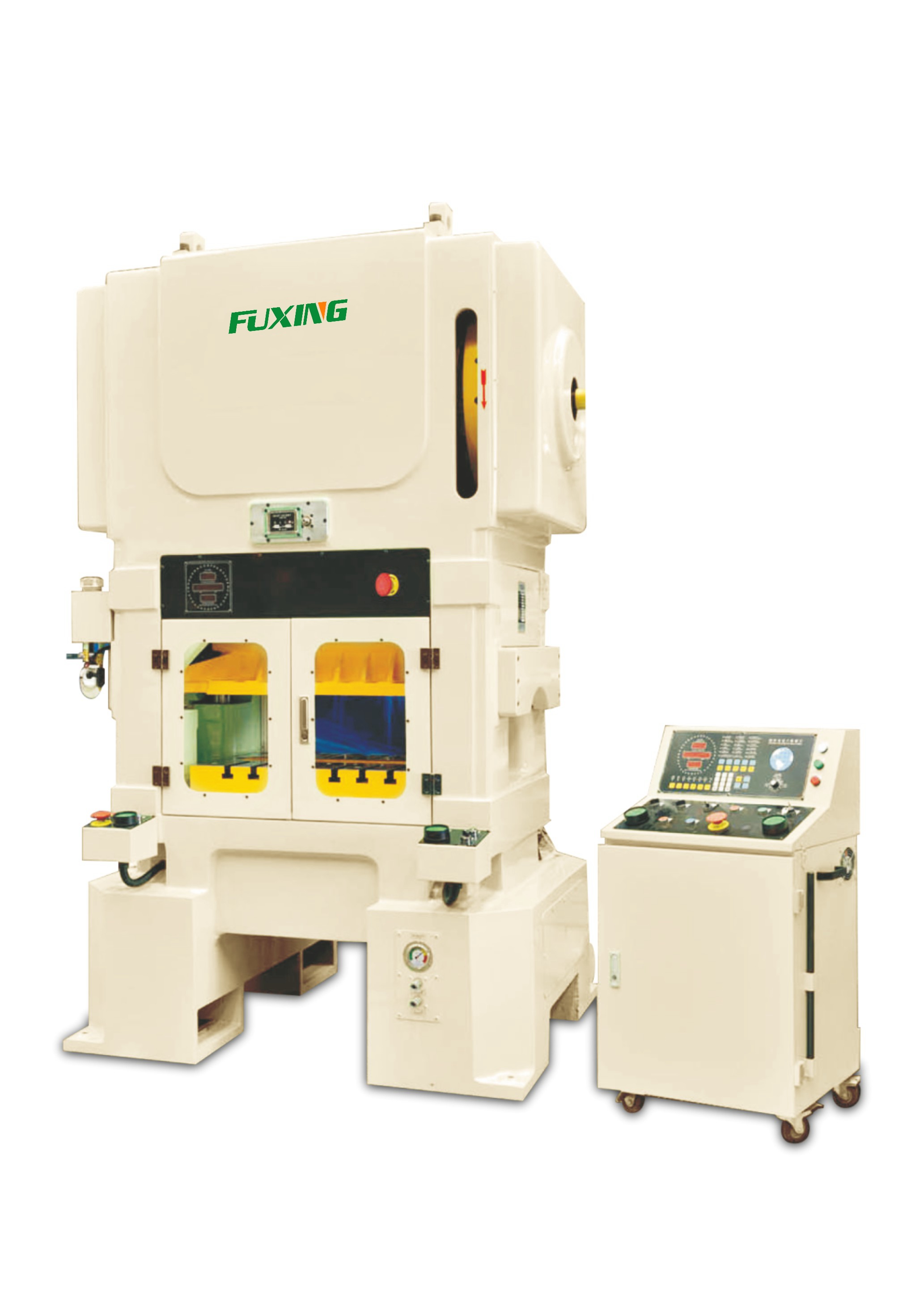
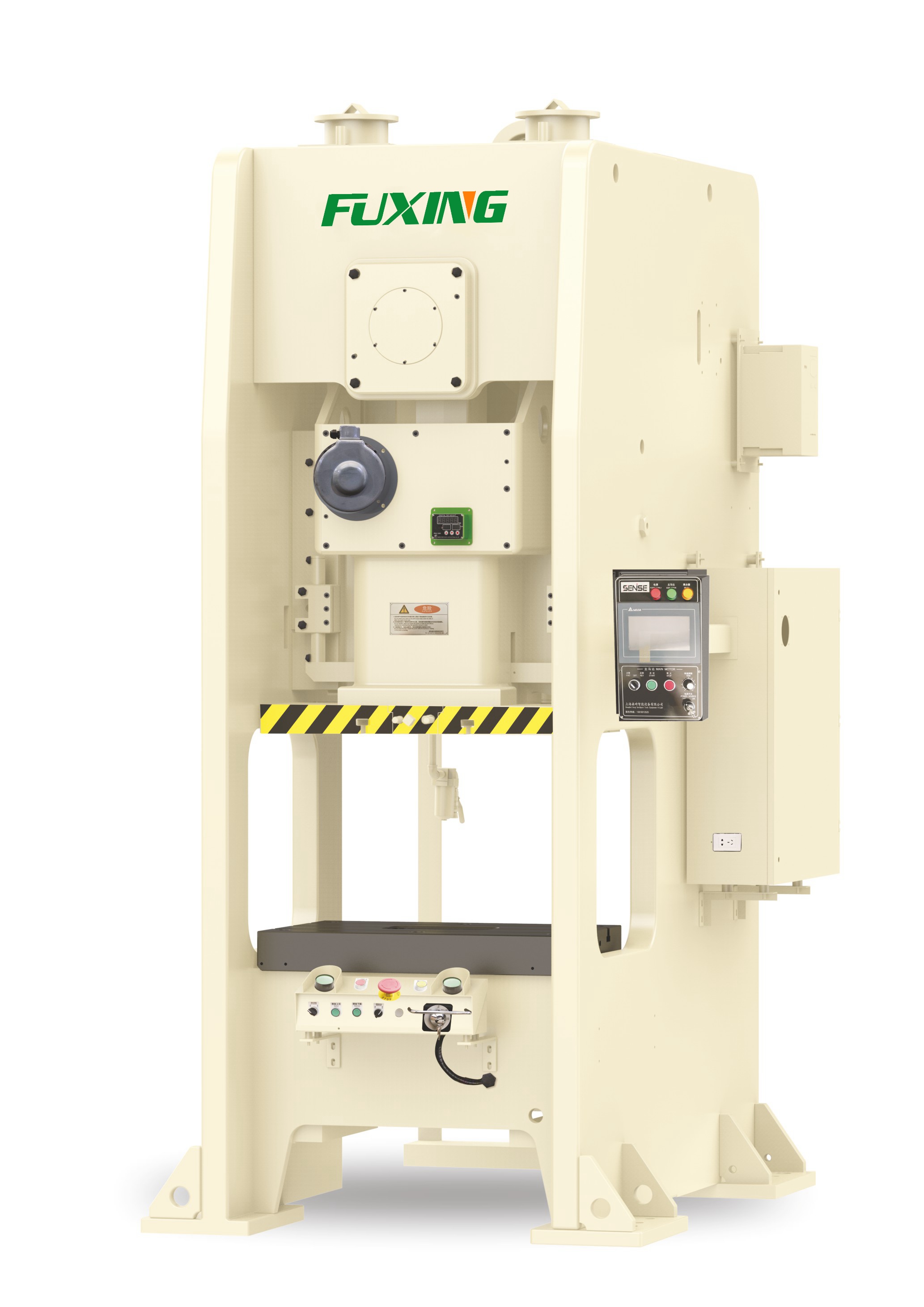
A metal stamping press is an industrial machine that applies tremendous force to metal sheets through specially designed dies, forming them into desired shapes and structures. Through the stamping process, flat metal sheets can be transformed into complex parts with high precision and consistency. Because of its high efficiency, suitability for mass production, and stable product quality, the metal stamping press plays a vital role in modern manufacturing.
With the continuous development of manufacturing technology, stamping equipment has been significantly improved in terms of structural design, automation level, production efficiency, and control precision. This article provides a comprehensive overview of metal stamping presses, including their definition, working principles, structural components, major types, and application fields.
What Is a Metal Stamping Press?
A metal stamping press, also commonly referred to as a power press or stamping press machine, is a piece of equipment designed to apply mechanical or hydraulic force to metal materials. Under the action of dies, the metal undergoes plastic deformation, allowing it to take on the desired shape and dimensions.
During the stamping process, a metal sheet is typically placed between two parts of a stamping die. As the press slide moves downward, the upper die presses the material against the lower die, generating a large amount of pressure. This force allows the metal to be processed through operations such as punching, blanking, bending, drawing, and forming.
Metal stamping is considered a highly efficient manufacturing method. Compared with traditional machining processes, stamping can produce a large number of parts in a short time while maintaining excellent consistency between products. For this reason, stamping technology is widely used in industries that require mass production of standardized components.
Today, stamping has become an indispensable manufacturing method in many industries. Automotive manufacturers use stamping presses to produce body panels and structural components. Household appliance manufacturers rely on stamping for outer shells and internal metal parts. Similarly, electronic products often contain small stamped components such as brackets, shields, and connectors.
Working Principle of a Metal Stamping Press
The fundamental working principle of a metal stamping press is based on converting rotary motion into reciprocating linear motion to drive a slide that performs the stamping action.
In a typical mechanical press, the electric motor drives a flywheel to rotate at high speed. During rotation, the flywheel stores a large amount of kinetic energy. When the clutch is engaged, this stored energy is transmitted through the crankshaft and connecting rod mechanism to the slide, causing the slide to move downward.
As the slide descends, the upper die mounted on the slide gradually approaches the lower die. The metal sheet positioned between the dies is then subjected to tremendous pressure. Under the constraint of the die cavity, the metal material undergoes plastic deformation and takes the required shape.
After the stamping operation is completed, the slide moves upward again, separating the dies. The finished part is then ejected or transferred to the next production stage by an automated handling system. The press subsequently begins the next stamping cycle.
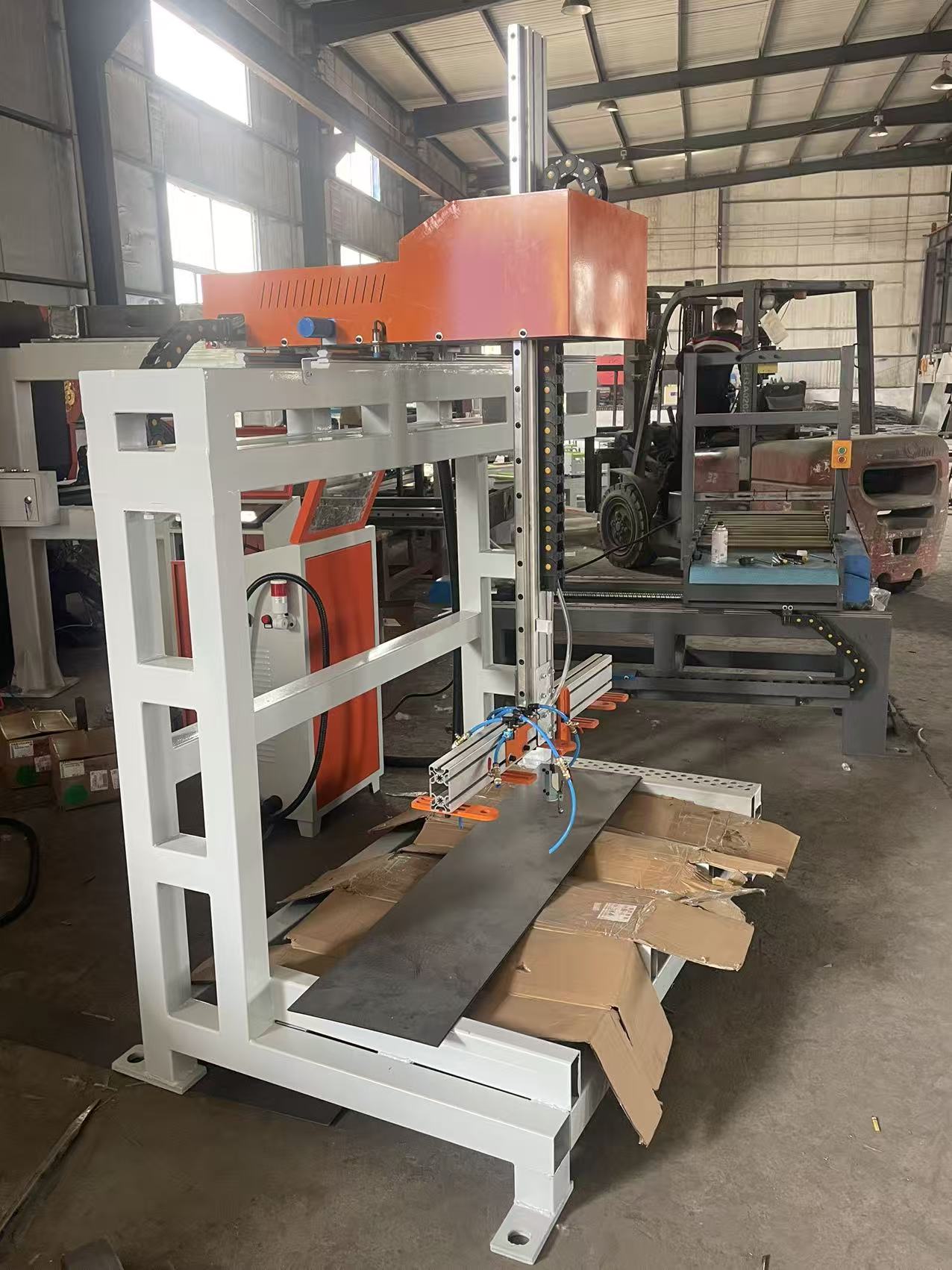
In modern automated production environments, stamping presses are usually integrated with several auxiliary machines. For example, automatic feeders continuously supply metal sheets to the die area, robotic transfer systems move parts between processes, and advanced control systems coordinate the entire production sequence. These technologies allow stamping production lines to operate continuously with high efficiency.
Main Structural Components of a Metal Stamping Press
A complete metal stamping press consists of several critical components, each playing an essential role in the operation of the machine. The design quality of these components directly affects the stability, precision, and service life of the press.
Frame
The frame is the main structural body of the stamping press and bears the enormous forces generated during stamping operations. It is typically constructed from high-strength cast iron or welded steel plates to ensure sufficient rigidity and stability. A robust frame design is essential for maintaining machine accuracy and durability.
Slide
The slide, also called the ram, is one of the most important moving parts of the press. Driven by the crankshaft mechanism, it moves vertically along guide rails inside the frame. The upper die is mounted on the bottom of the slide, and stamping is performed when the slide moves downward.
Crankshaft
The crankshaft is a key transmission component in mechanical presses. Its function is to convert rotational motion into reciprocating linear motion. When the flywheel rotates, the crankshaft drives the connecting rod and slide to perform the stamping movement.
Flywheel
The flywheel stores mechanical energy and releases it during the stamping process. By maintaining a continuous rotation and energy reserve, the flywheel ensures that the press has sufficient force to perform stamping operations even during high-load conditions.
Motor
The motor provides the primary driving power for the press. It drives the flywheel through a transmission system, ensuring a continuous and stable supply of energy for the machine.
Clutch and Brake System
The clutch is responsible for engaging and disengaging the power transmission between the flywheel and crankshaft. When the clutch is engaged, the press begins its working cycle. The brake system stops the slide quickly after the operation, ensuring safe and controlled machine operation.
Control System
Modern stamping presses are usually equipped with advanced control systems, often based on PLC technology. These systems enable automatic operation, parameter adjustment, safety monitoring, and fault detection. Advanced control systems can also record production data and monitor equipment performance in real time.
Main Types of Metal Stamping Presses
Depending on the driving mechanism, structural design, and application requirements, metal stamping presses can be classified into several types.
Mechanical Press
Mechanical presses are the most widely used stamping machines in industrial production. They rely on crankshaft and connecting rod mechanisms to drive the slide movement. Mechanical presses are known for their high operating speed and excellent production efficiency, making them ideal for large-scale manufacturing of standardized parts.
Hydraulic Press
Hydraulic presses generate force through hydraulic systems. Compared with mechanical presses, hydraulic presses provide more stable and controllable pressure output. They are especially suitable for deep drawing operations and complex forming processes that require longer stroke lengths.
Pneumatic Press
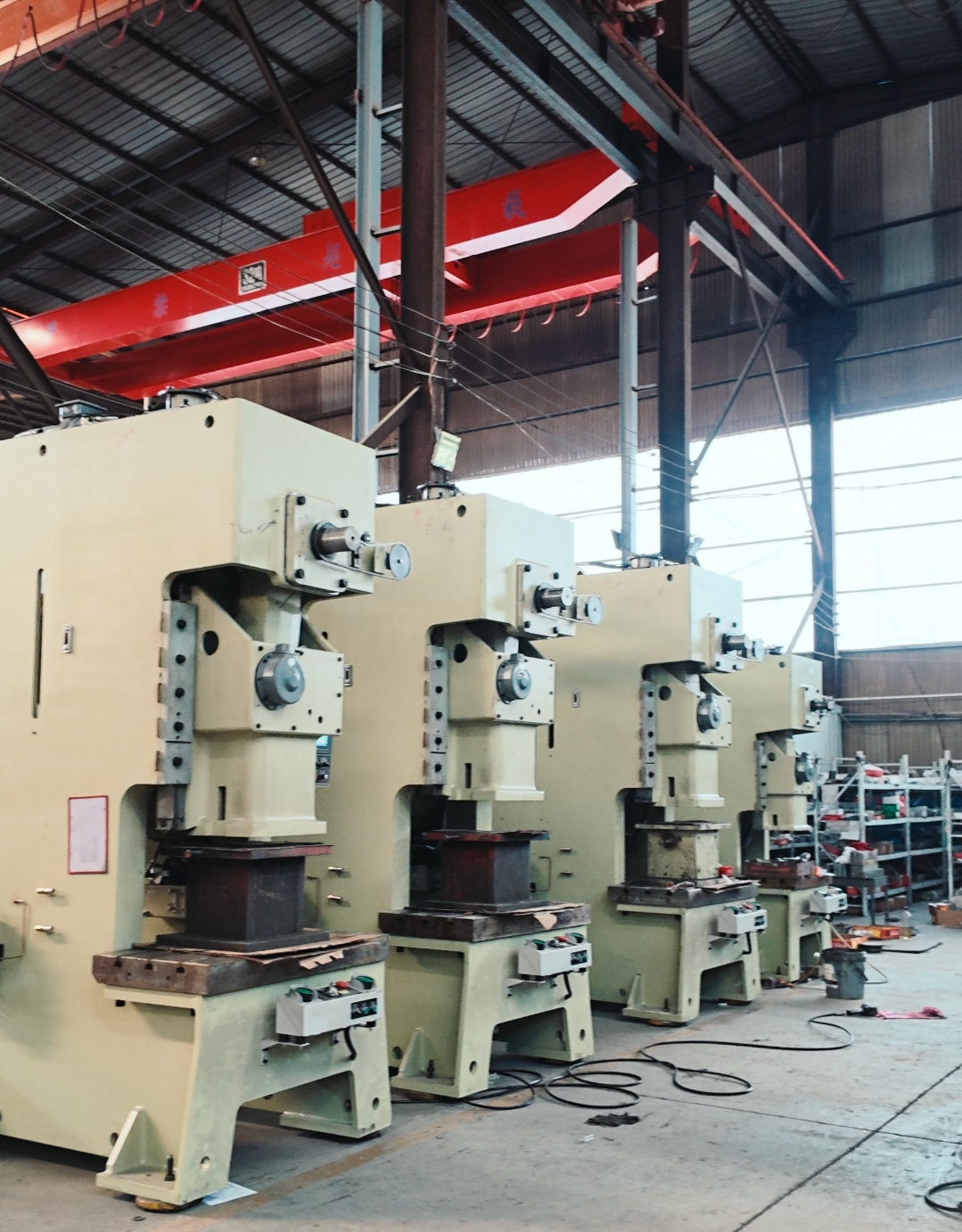
Pneumatic presses use compressed air to control clutch and brake operations. These machines are flexible, responsive, and widely used in small and medium-sized stamping workshops.
Servo Press
Servo presses are advanced stamping machines driven by servo motors. Unlike traditional mechanical presses, servo presses allow precise control of slide motion curves. This technology improves forming accuracy and reduces energy consumption. In recent years, servo presses have become an important development direction in the stamping equipment industry.
Application Fields of Metal Stamping Presses
Because stamping technology offers high efficiency and excellent product consistency, metal stamping presses are widely used across many industries.
Automotive Industry
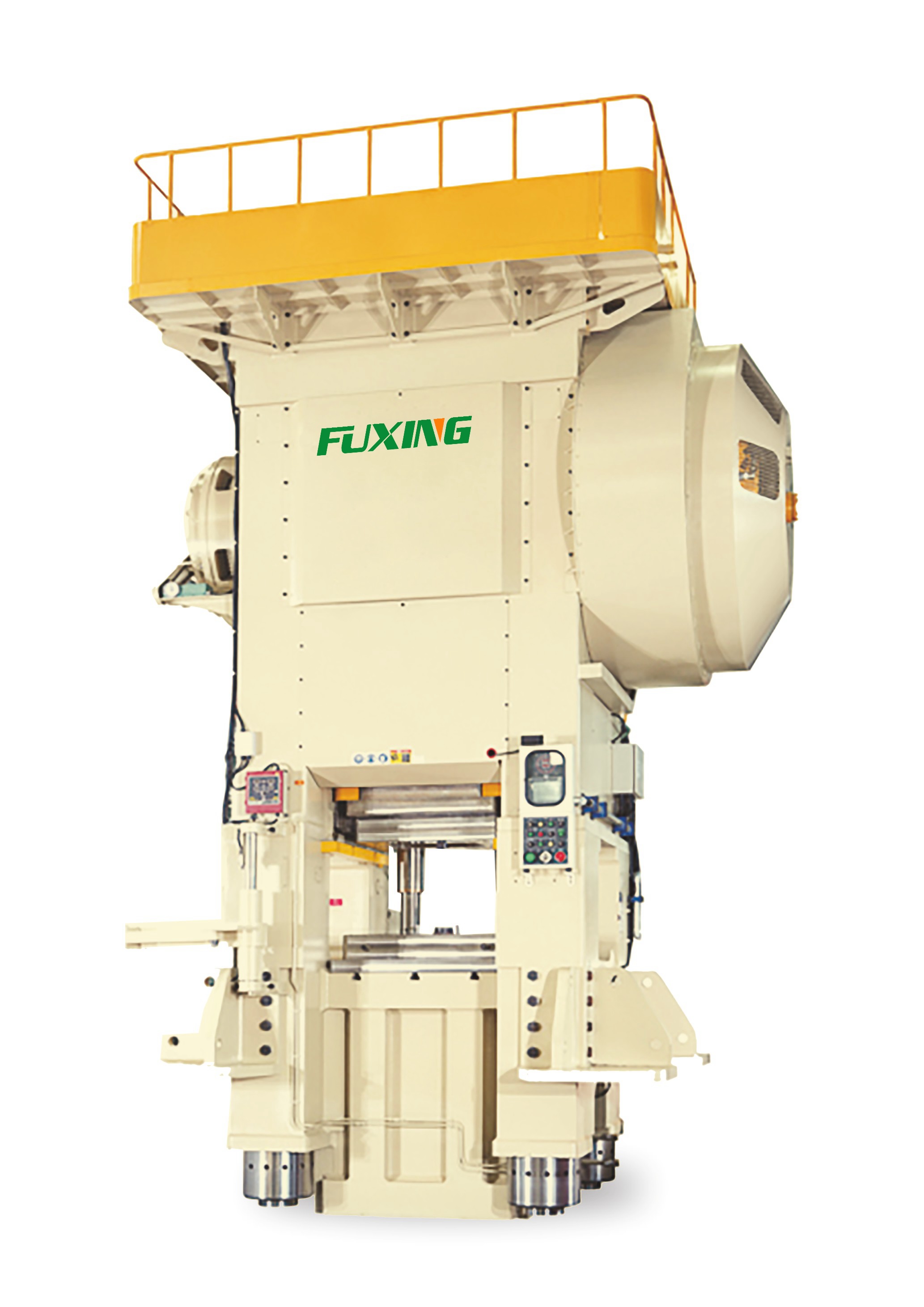
The automotive industry is one of the largest users of stamping equipment. Many vehicle components, such as car doors, engine hoods, roofs, and chassis parts, are produced using large stamping presses. Automotive manufacturers often build fully automated stamping lines to meet the demands of high-volume production.
Home Appliance Industry
In the home appliance sector, many external housings and internal structural components are manufactured through stamping processes. Products such as refrigerators, washing machines, and air conditioners rely heavily on stamped metal parts.
Electronics Industry
Electronic products also contain numerous stamped components, including metal brackets, shielding covers, and connectors. These components are usually small but require high precision, making stamping presses essential in electronic manufacturing.
Hardware and Construction Industry
Construction hardware, furniture hardware, and many industrial accessories are produced using stamping technology. Stamping presses allow manufacturers to produce large quantities of standardized hardware parts efficiently.
Development Trends of Metal Stamping Technology
As global manufacturing continues to evolve toward automation and intelligent production, stamping equipment is also undergoing rapid technological advancement.
One major trend is the widespread adoption of automated stamping production lines. More and more factories are integrating automatic feeding systems, robotic transfer devices, and automated inspection equipment to achieve unmanned production.
Another important trend is the improvement of machine intelligence. With advanced control systems and monitoring technologies, stamping presses can now track operating conditions in real time and provide early warnings of potential equipment failures, improving production safety and machine utilization.
Energy efficiency has also become a key focus for modern stamping equipment. New-generation servo presses can adjust power output according to production needs, significantly reducing energy consumption.
With continuous technological innovation, metal stamping presses will continue to play an increasingly important role in manufacturing industries around the world, providing more efficient and reliable metal forming capabilities.
Conclusion
Metal stamping presses are essential equipment in modern manufacturing. Through stamping technology, complex metal parts can be produced efficiently and with high precision. As automation and intelligent manufacturing technologies continue to develop, stamping machines are becoming more advanced, helping manufacturers improve productivity and product quality.
If you are looking for high-quality metal stamping presses or complete stamping production line solutions, you are welcome to visit www.fuxingmachinery.com. As a professional manufacturer of stamping equipment, Fuxing Machinery is committed to providing reliable machines and comprehensive metal forming solutions for customers around the world.