Welcome to Shandong Fuxing Machinery Co., Ltd.
Vision-Guided Feeding for Automated Metal Stamping
As manufacturing continues to move toward automation and smart production, traditional manual feeding methods are no longer able to meet the growing demands for efficiency, precision, and cost control. In industries such as metal hardware, automotive components, electrical appliances, stainless steel washers, and electronic parts, more and more manufacturers are adopting high-precision press machines combined with vision-guided feeding systems to achieve fully automated stamping operations.
How do these systems work together, and what benefits can they bring to sheet metal manufacturers?
What Is a Vision-Guided Feeding System?
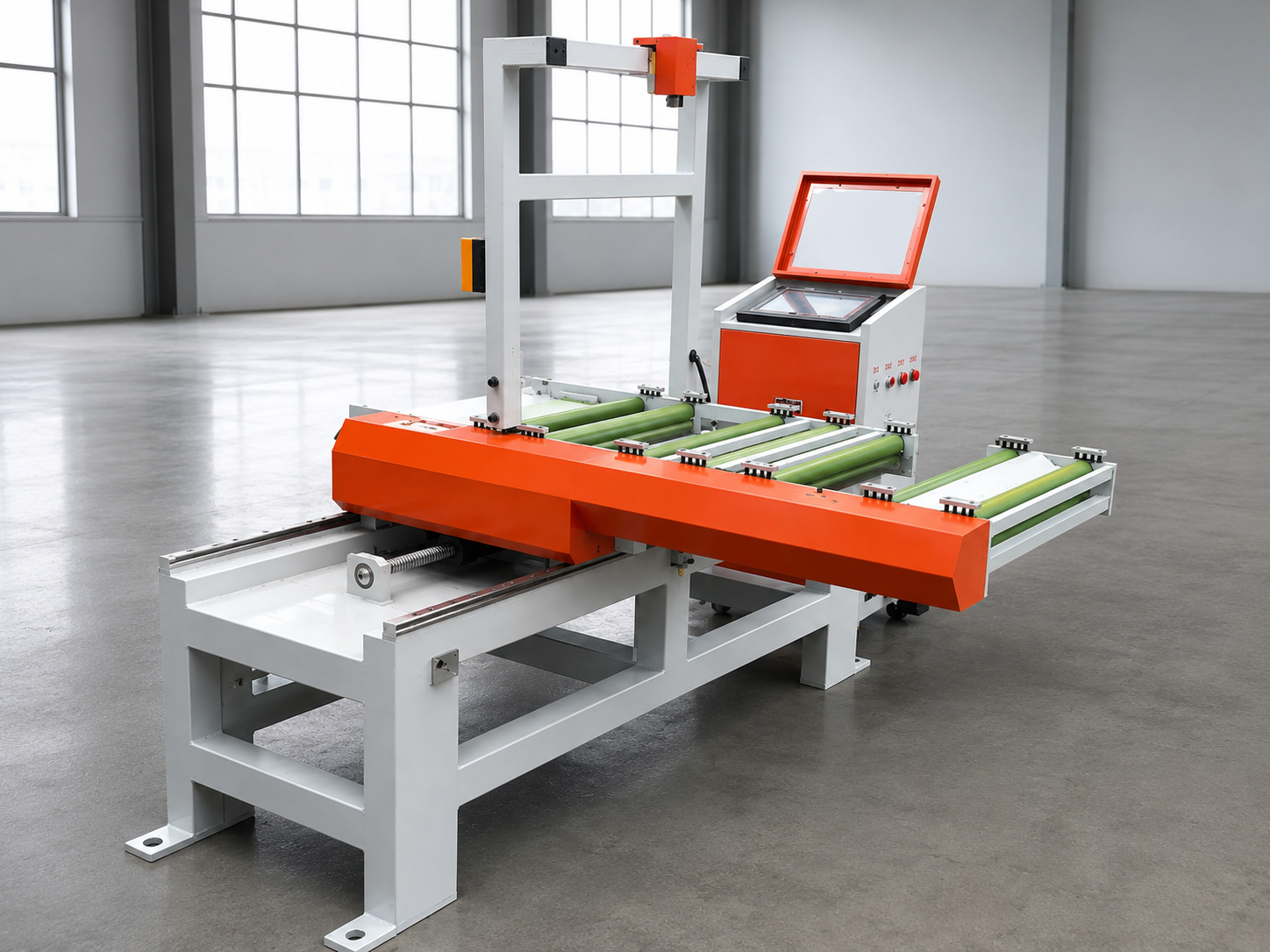
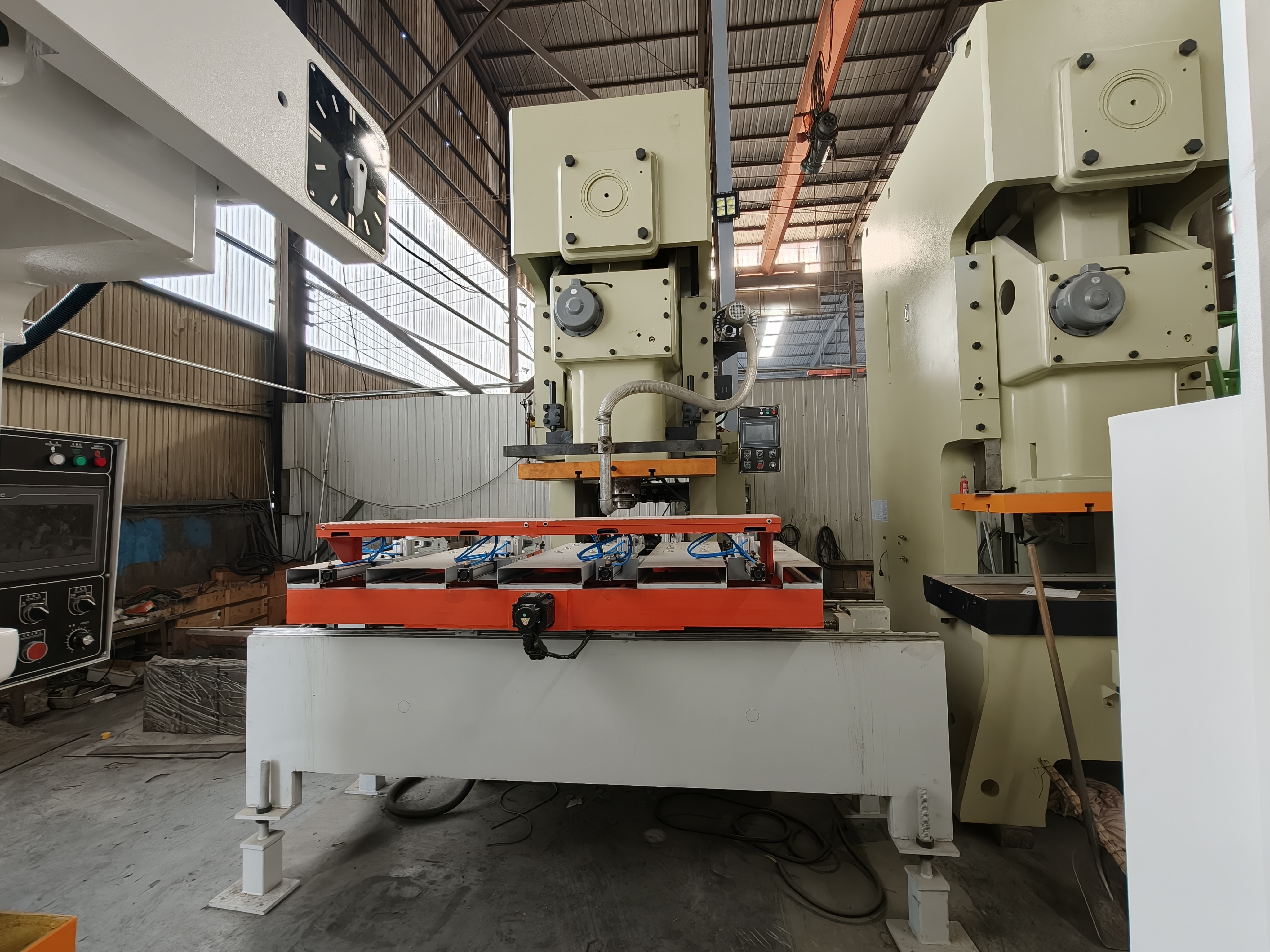
A vision-guided feeding system is an intelligent automation solution that combines industrial cameras, image recognition technology, and automatic feeding mechanisms.
Unlike conventional feeders that rely on fixed positioning, a vision-guided feeder uses industrial cameras to capture real-time images of workpieces. The vision system analyzes the position, orientation, angle, and coordinates of each part, allowing the feeding mechanism to accurately place the workpiece into the designated position inside the press die.
Even when parts are randomly arranged, rotated, or shifted during transportation, the vision system can automatically detect and correct their position, significantly improving feeding accuracy.
The Importance of a High-Precision Press Machine
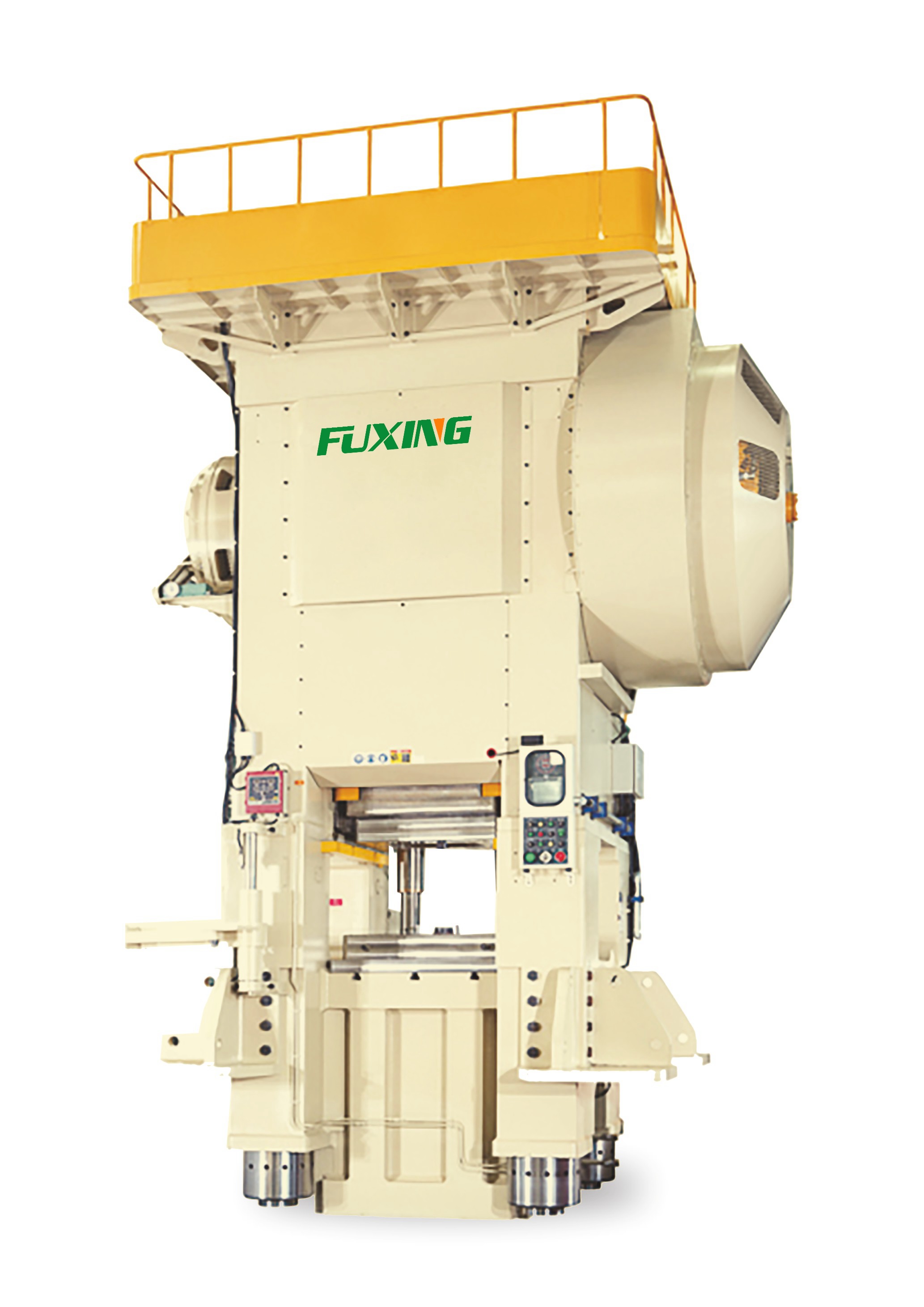
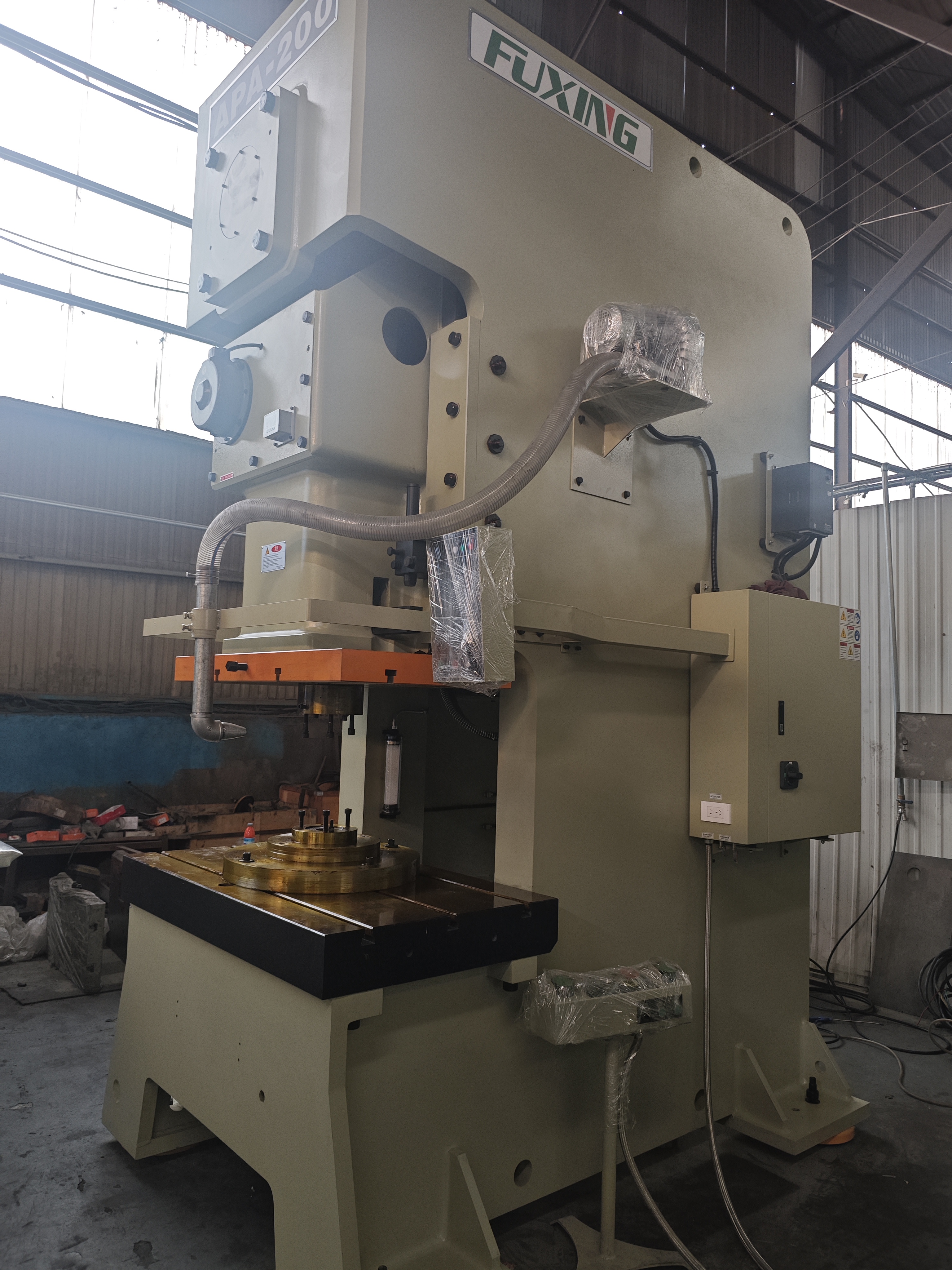
While the vision feeding system is responsible for "seeing" and "feeding," the high-precision press machine remains the core equipment that performs the stamping operation.
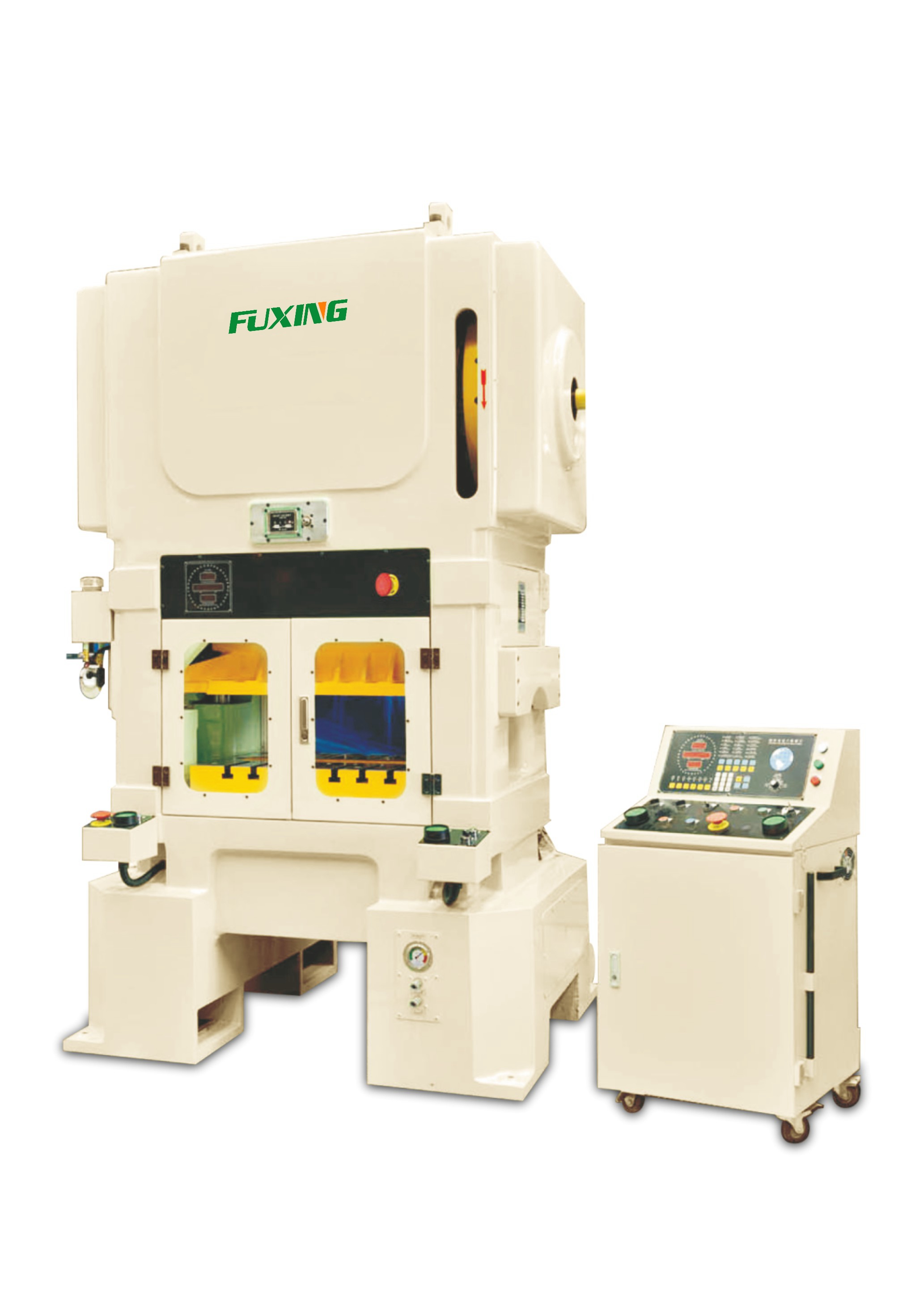
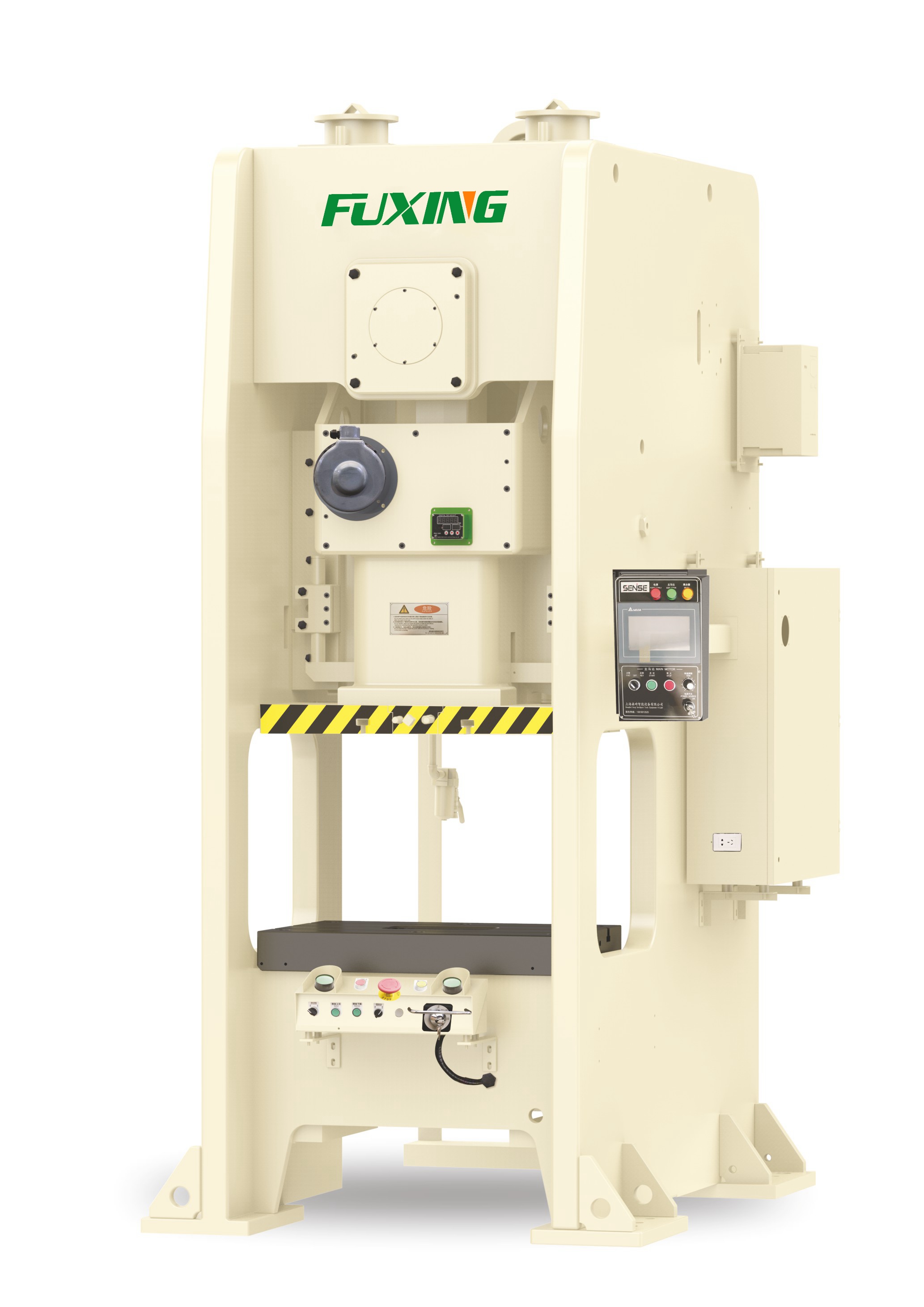
For example, the FUXING APA Series High-Precision Pneumatic Press offers:
High-rigidity frame structure
Precision guide system
Stable stamping accuracy
High-speed continuous production capability
Low-noise operation
Reliable long-term performance
Once the vision-guided feeder accurately positions the workpiece, the press machine ensures consistent stamping results and maintains dimensional accuracy throughout production.
Automated Sheet Metal Stamping Process
Step 1: Material Loading
Metal sheets, blanks, or pre-formed workpieces are placed onto the feeding platform.
Depending on the application, feeding equipment may include:
Vibratory bowl feeders
Flat feeders
Conveyor systems
Automatic stacking loaders
The production line then begins operating automatically.
Step 2: Vision Inspection and Position Recognition
Industrial cameras continuously capture images of the workpieces.
The vision system identifies:
Part position
Orientation
Rotation angle
Product contour
Dimensional features
Even randomly placed parts can be accurately located within milliseconds.
Step 3: Automatic Picking and Position Correction
The feeding mechanism or robotic arm receives positioning data from the vision system and automatically picks up the workpiece.
The system simultaneously performs:
Position compensation
Angle correction
Offset adjustment
This ensures the workpiece enters the die in the correct orientation.
Step 4: Precision Feeding
The vision-guided feeder transfers the workpiece into the stamping area of the press machine.
Typical feeding accuracy can reach:
±0.05 mm to ±0.10 mm
Higher-end systems may achieve even greater positioning precision.
Step 5: Stamping Operation
The high-precision press machine performs various operations such as:
Punching
Blanking
Trimming
Forming
Bending
Embossing
All processes are completed automatically without manual intervention.
Step 6: Automatic Part Collection
After stamping, finished parts can be automatically handled through:
Automatic part receivers
Conveyor systems
Robotic stacking units
This creates a fully automated production workflow from raw material to finished product.
Why Are More Manufacturers Choosing Vision-Guided Feeding Systems?
Increased Production Efficiency
Manual feeding limits production speed and consistency.
A vision-guided feeding system enables:
24/7 continuous production
High-speed automatic feeding
Reduced machine downtime
Overall production capacity can increase by 30% to 200%.
Reduced Labor Costs
Traditional stamping lines often require:
Material loading operators
Machine operators
Part collection workers
With automation, a single operator can supervise multiple production lines, significantly reducing labor expenses.
Improved Product Consistency
Manual feeding often causes:
Positioning errors
Angle deviations
Misfeeds
Vision systems continuously monitor and correct part locations, ensuring stable and repeatable production quality.
Lower Scrap Rates
Accurate positioning helps prevent:
Die damage
Misaligned stamping
Dimensional defects
This reduces material waste and improves overall yield.
Enhanced Workplace Safety
Workers no longer need to place their hands near dangerous stamping zones.
Automation greatly reduces the risk of workplace injuries.
Typical Applications
High-precision press machines combined with vision-guided feeding systems are widely used in:
Automotive Components
Washers
Brackets
Reinforcement plates
Connectors
Home Appliance Manufacturing
Motor housings
Appliance brackets
Metal panels
Electronics Industry
Connectors
Heat sinks
Precision metal parts
Construction Hardware
Hinges
Corner brackets
Fasteners
Stainless Steel Products
Flat washers
Clamps
Metal gaskets
FUXING Automated Stamping Solutions
As a professional press machine manufacturer, FUXING provides not only high-precision pneumatic presses but also complete automated stamping solutions tailored to customer requirements.
Our solutions include:
APA Series High-Precision Pneumatic Press Machines
NC Servo Feeders
3-in-1 Coil Feeding Lines
Vision-Guided Feeding Systems
Automatic Part Receivers
Industrial Robotic Arms
Automatic Stacking Systems
These integrated solutions help manufacturers achieve fully automated production from raw material feeding to finished product handling.
Conclusion
As Industry 4.0 and smart manufacturing continue to evolve, the combination of a high-precision press machine and a vision-guided feeding system is becoming an essential solution for modern sheet metal stamping operations.
By integrating machine vision, precision feeding, and high-accuracy stamping technology, manufacturers can significantly improve productivity, product quality, workplace safety, and cost efficiency.
If you are looking for a customized automation solution for metal stamping, sheet metal fabrication, or hardware manufacturing, FUXING can provide complete press machines and automated production lines designed to maximize your competitiveness in today's market.
Learn More
Website: www.fuxingmachinery.com
FUXING – Your Reliable Partner for Smart Metal Stamping Automation.