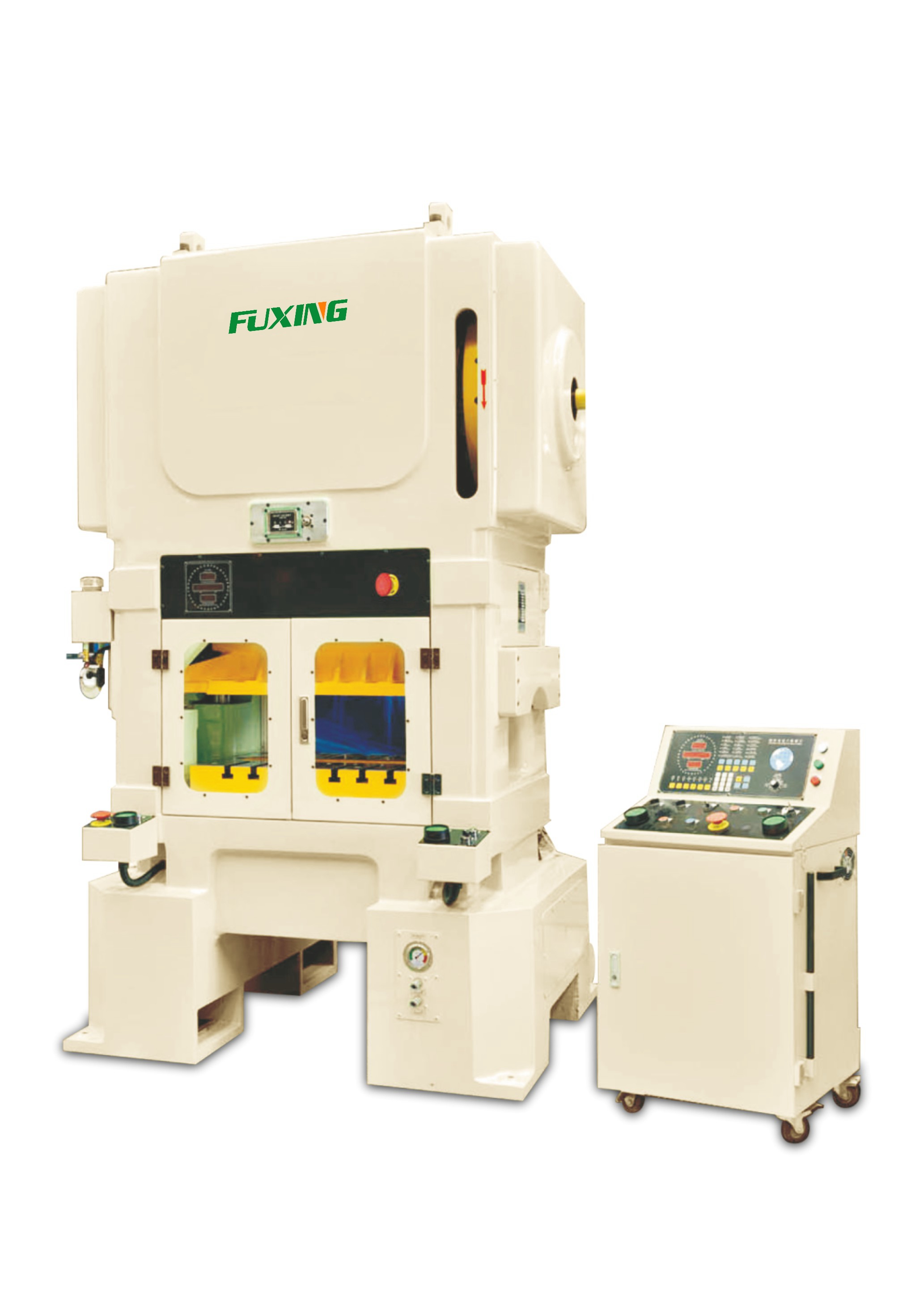
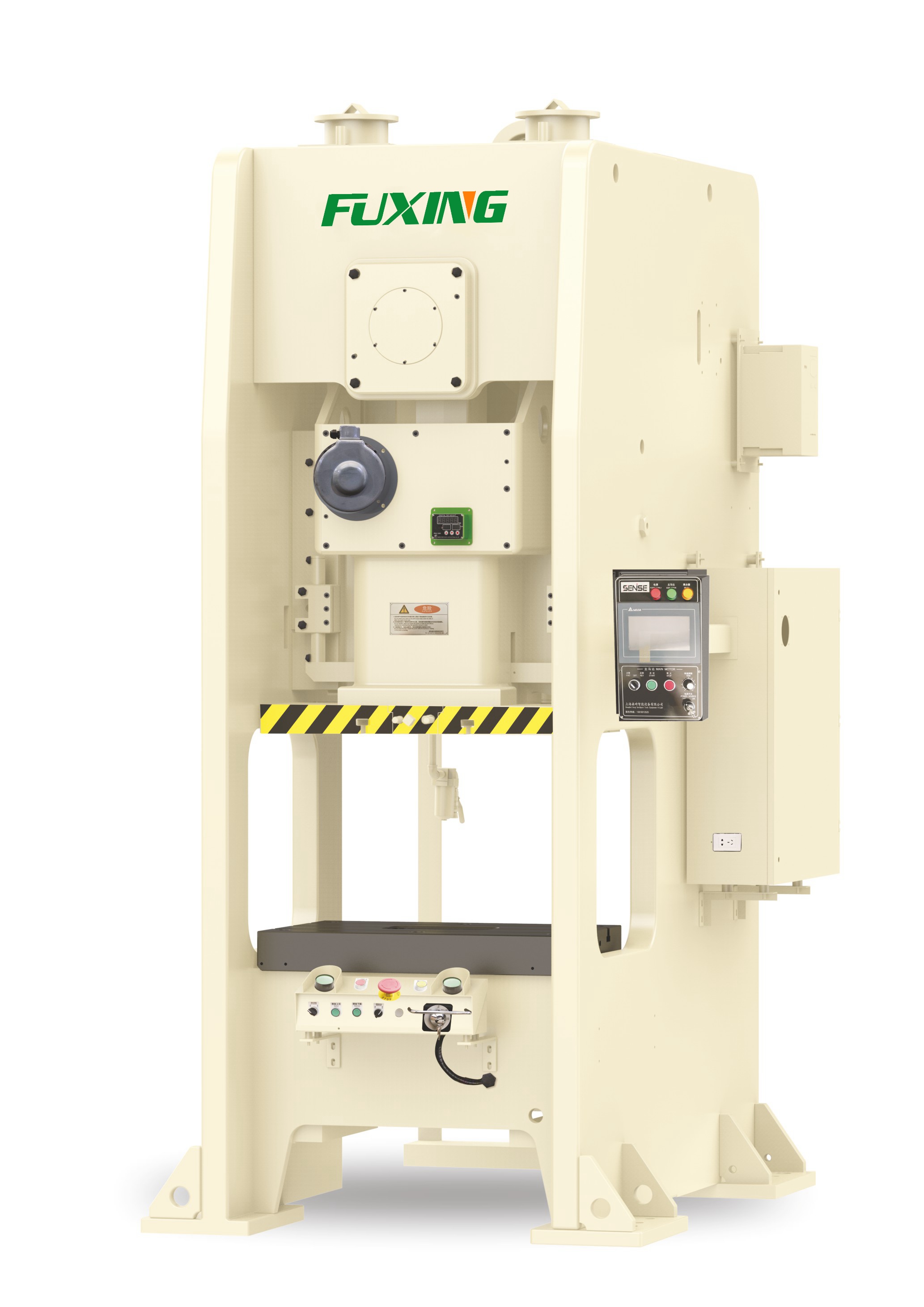
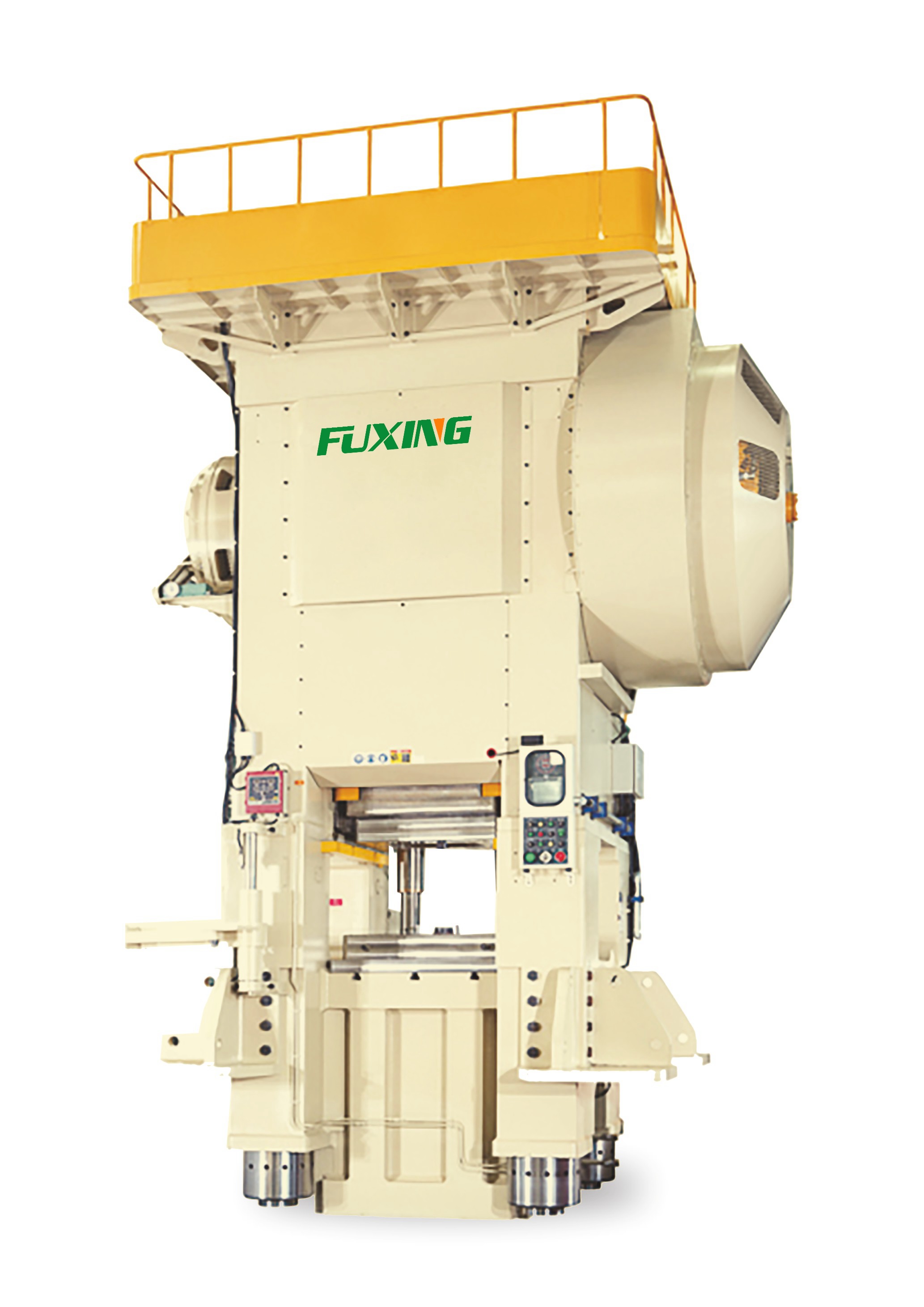
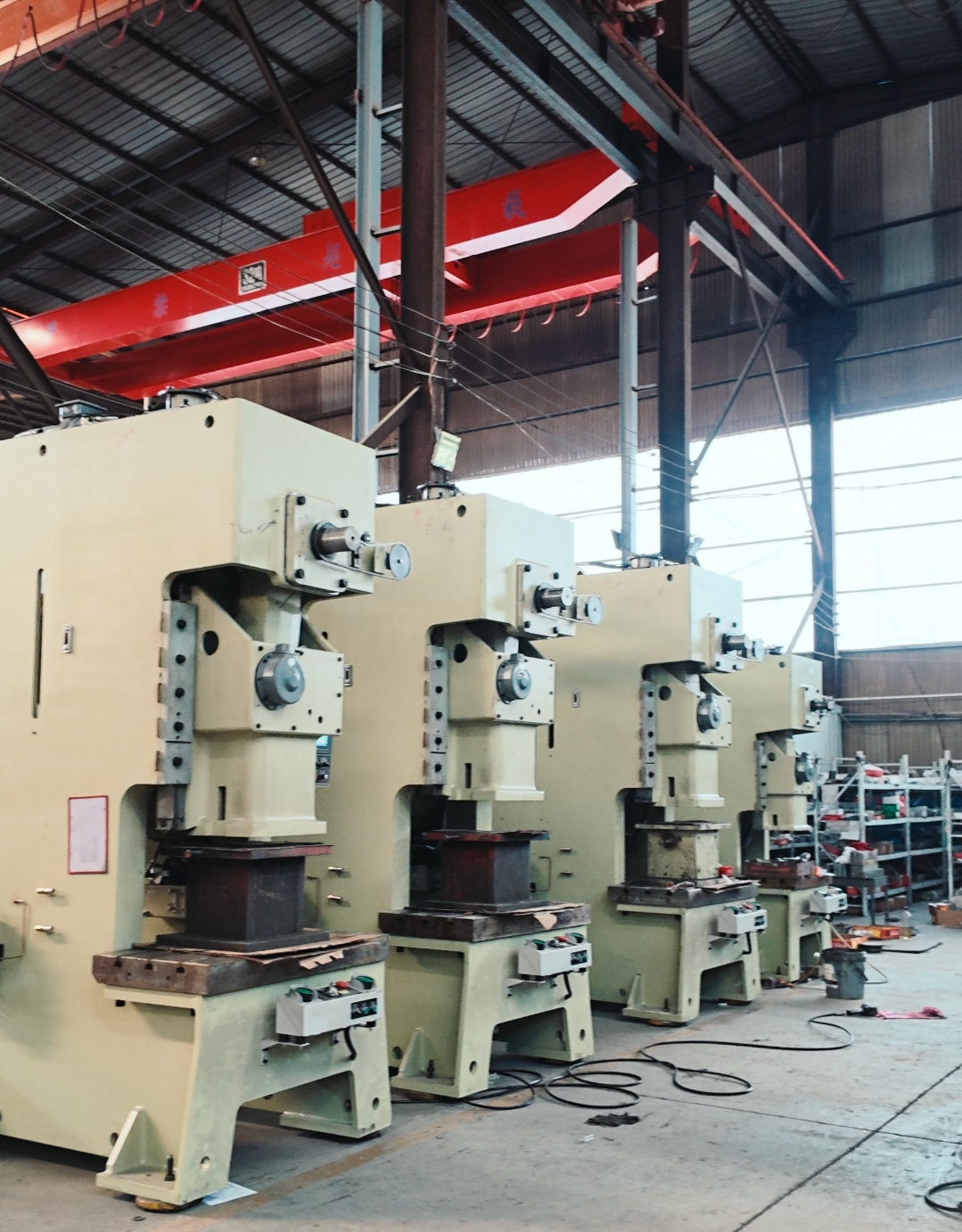
Welcome to Shandong Fuxing Machinery Co., Ltd.
What Are the Main Parts of a Pneumatic Press? A Complete Guide
A pneumatic press is one of the most widely used machines in the metal stamping industry. Whether you are producing washers, automotive parts, electrical components, household hardware, or custom metal parts, understanding the main components of a pneumatic press helps improve operation, maintenance, and production efficiency.
Let's take a closer look at the key parts of a pneumatic press and how each component contributes to reliable and precise metal stamping.
1. Frame (Machine Body)
The frame is the backbone of the pneumatic press. It supports all major components and withstands the tremendous force generated during stamping.
Function:
Supports the entire machine structure
Maintains high rigidity and stability
Minimizes deformation during high-tonnage operation
Common frame types include:
C-Frame (Gap Frame) – Easy access from three sides, ideal for general stamping.
Straight Side (H-Frame) – Higher rigidity for larger dies and heavy-duty applications.
2. Slide (Ram)
The slide moves vertically during each stroke and carries the upper die.
Function:
Delivers stamping force to the tooling
Maintains accurate vertical movement
Ensures consistent stamping precision
3. Bolster Plate (Worktable)
The bolster plate is the mounting surface for the lower die.
Function:
Supports the die set
Absorbs stamping forces
Provides a flat, rigid working surface
4. Crankshaft
The crankshaft converts the rotary motion of the flywheel into the reciprocating motion of the slide.
Function:
Converts rotational energy into vertical movement
Determines the stroke of the press
Ensures smooth and stable operation
5. Connecting Rod
The connecting rod connects the crankshaft to the slide.
Function:
Transfers power from the crankshaft
Maintains stable slide movement
Improves motion accuracy
6. Flywheel
The flywheel stores kinetic energy while the motor is running.
Function:
Stores rotational energy
Supplies stable power during each stamping cycle
Reduces motor load and improves efficiency
7. Pneumatic Clutch & Brake
The pneumatic clutch and brake are among the most important components of a pneumatic press.
Instead of using compressed air to generate stamping force, the air system engages and disengages the clutch while controlling the brake.
Function:
Starts and stops the press quickly
Improves production efficiency
Enhances operator safety
Provides smooth and reliable operation
8. Main Motor
The electric motor continuously drives the flywheel.
Function:
Supplies power to the press
Maintains constant flywheel speed
Supports continuous production
9. Lubrication System
Automatic lubrication ensures all moving parts receive adequate oil.
Function:
Reduces friction and wear
Extends component life
Improves machine reliability
10. Counterbalance Cylinder
The counterbalance cylinder offsets the weight of the slide.
Function:
Balances slide weight
Reduces vibration
Improves machine stability
11. Die Height Adjustment Device
Different dies require different shut heights.
Function:
Adjusts die height quickly
Simplifies die changes
Improves production flexibility
12. Electrical Control System
Modern pneumatic presses use intelligent electrical control systems.
Typical components include:
PLC
Touchscreen HMI
Sensors
Electrical cabinet
Safety control circuits
Function:
Controls machine operation
Monitors machine status
Supports automated production
13. Safety Protection Devices
Safety is essential in every stamping operation.
Common protection devices include:
Photoelectric Safety Guard
Emergency Stop Button
Overload Protector
Misfeed Detection System
Two-Hand Control
Function:
Protects operators
Prevents equipment damage
Improves workplace safety
14. Air System
The compressed air system powers the pneumatic clutch, brake, and other pneumatic components.
Function:
Operates the clutch
Controls the brake
Supplies air to auxiliary devices
15. Stamping Die
Although not part of the machine itself, the die is the core tool that shapes the final product.
Function:
Punching
Blanking
Piercing
Bending
Forming
Different dies allow the same pneumatic press to manufacture a wide variety of metal products.
How Does a Pneumatic Press Work?
The working process is straightforward:
The electric motor drives the flywheel.
The flywheel stores rotational energy.
Compressed air engages the pneumatic clutch.
The crankshaft converts rotary motion into vertical movement.
The connecting rod drives the slide downward.
The slide presses the die to stamp the workpiece.
The pneumatic brake stops the slide precisely after each stroke.
This combination of mechanical power and pneumatic control provides high precision, high efficiency, and long service life.
Why Choose FUXING Machinery?
At FUXING Machinery, we don't just manufacture pneumatic presses—we provide complete metal stamping solutions tailored to your production requirements.
Whether you need a standard pneumatic press for fast delivery or a custom-built machine for specialized applications, our engineering team can design the right solution for your factory.
We offer customization based on your production needs, including:
Custom press capacity
Custom stroke length
Custom shut height
Enlarged worktable dimensions
Increased throat depth
Single or double crank configurations
C-Frame or Straight Side designs
Servo feeder and complete automation integration
Vision-guided part feeding systems
Turnkey metal stamping production lines
Every project begins with understanding your products, materials, production volume, and tooling requirements, ensuring that every machine is engineered specifically for your application rather than being a one-size-fits-all solution.
Build the Right Press for Your Production
Whether you're replacing an old mechanical press, expanding your production capacity, or investing in a fully automated stamping line, FUXING Machinery can provide the right solution.
With reliable quality, precision manufacturing, and flexible customization, we help manufacturers improve productivity while reducing operating costs.
From a single pneumatic press to a complete metal stamping production line, our experienced team is ready to support your business every step of the way.
📩 Contact FUXING Machinery today and let us help you build the ideal stamping solution for your production needs.