Welcome to Shandong Fuxing Machinery Co., Ltd.
The Application of Press Machines in Flat Washer Stamping
From Standard Washers to Advanced Locking Washers
Flat washers may look like simple metal components, but they play an important role in industries such as fasteners, automotive parts, machinery, and electrical equipment.
With the development of manufacturing automation, modern washer production has gradually evolved from manual operations into a highly efficient production system combining high-precision stamping presses, progressive dies, and automatic feeding systems.
From standard flat washers to chamfered washers, self-locking washers, and disc spring washers, stable press machines are the key equipment to achieve high-volume production with consistent quality.
1. One-Step Stamping of Standard Flat Washers
Standard flat washers are the most widely used type of washer, commonly applied in:
Bolted connections
Fastener manufacturing
Automotive components
Industrial machinery
Electrical products
Traditional production usually requires multiple processes:
Hole punching
Outer diameter blanking
Flattening and finishing
However, with modern stamping technology and properly designed progressive dies, manufacturers can achieve:
Material feeding → Hole punching → Blanking → Finished product output
through continuous one-step stamping.
The steel strip is accurately fed into the stamping press by an automatic feeder, and multiple operations are completed inside one progressive die.
Advantages of one-step stamping:
High production speed
Stable dimensional accuracy
Reduced labor requirements
Lower production cost
This production method is especially suitable for manufacturers producing hundreds of thousands or even millions of washers per day.
2. Stamping Application of Chamfered Washers
Chamfered washers are an upgraded version of standard flat washers.
By adding a chamfer on the inner or outer edge, they provide:
Easier assembly
Reduced edge stress
Better appearance quality
The production process usually includes:
Automatic feeding → Hole punching → Outer shape stamping → Chamfer forming
Compared with standard washers, chamfered washers require higher precision from both the press machine and tooling.
A high-precision stamping press ensures:
Stable slide movement
Accurate die alignment
Uniform forming pressure
This helps prevent:
Uneven chamfer dimensions
Product deformation
Edge cracking
With automatic feeding and continuous stamping, manufacturers can achieve efficient mass production of chamfered washers.
3. Stamping Production of Self-Locking Washers
Self-locking washers are designed to prevent bolts from loosening under vibration.
Common types include:
Serrated lock washers
Anti-loosening washers
Double-stack self-locking washers
Compared with standard flat washers, self-locking washers require more complex forming processes.
The stamping process includes:
Automatic material feeding
Hole punching
Outer contour blanking
Serration or special structure forming
Using multi-stage progressive dies, multiple processes can be completed during one continuous stamping cycle.
This production method ensures:
Stable dimensions
Consistent locking performance
High-speed production
For self-locking washers, the rigidity and precision of the stamping press are extremely important because even small dimensional variations can affect the locking performance.
4. Press Application for Disc Spring Washers
Disc spring washers (Belleville washers) are different from standard flat washers because they have a conical shape and provide elastic force.
They are widely used in:
Automotive industries
Heavy machinery
Railway equipment
High-vibration applications
The manufacturing process usually includes:
Automatic feeding → Blanking → Forming → Calibration
Through specialized forming dies, the stamping press transforms flat metal material into a spring-shaped washer.
The process requires precise control of:
Washer height
Cone angle
Spring performance
Dimensional accuracy
A stable stamping press ensures consistent forming results for every washer.
5. Automatic Feeding Systems Improve Washer Production Efficiency
Modern washer production lines usually combine:
Uncoiler → Straightener → Automatic Feeder → Precision Stamping Press → Progressive Die → Automatic Collection System
The automatic feeding system provides:
Continuous material feeding
High feeding accuracy
Reduced manual operation
Higher production efficiency
Compared with manual feeding, automatic production provides:
✅ Higher speed
✅ More stable quality
✅ Lower labor cost
✅ Better suitability for mass production
6. High-Performance Press Machines Are the Core of Washer Manufacturing
Although washers are small components, high-volume production requires excellent equipment performance.
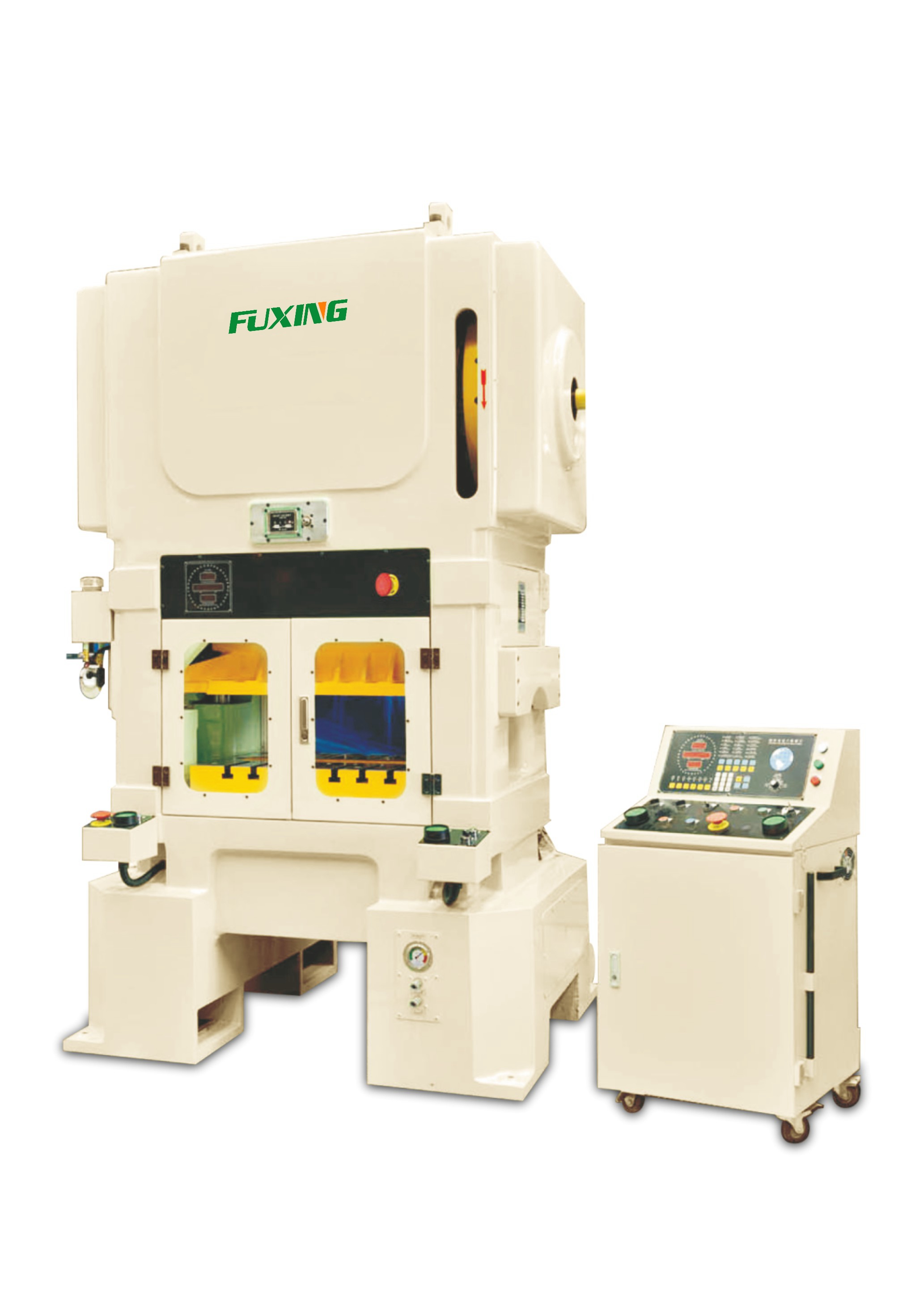
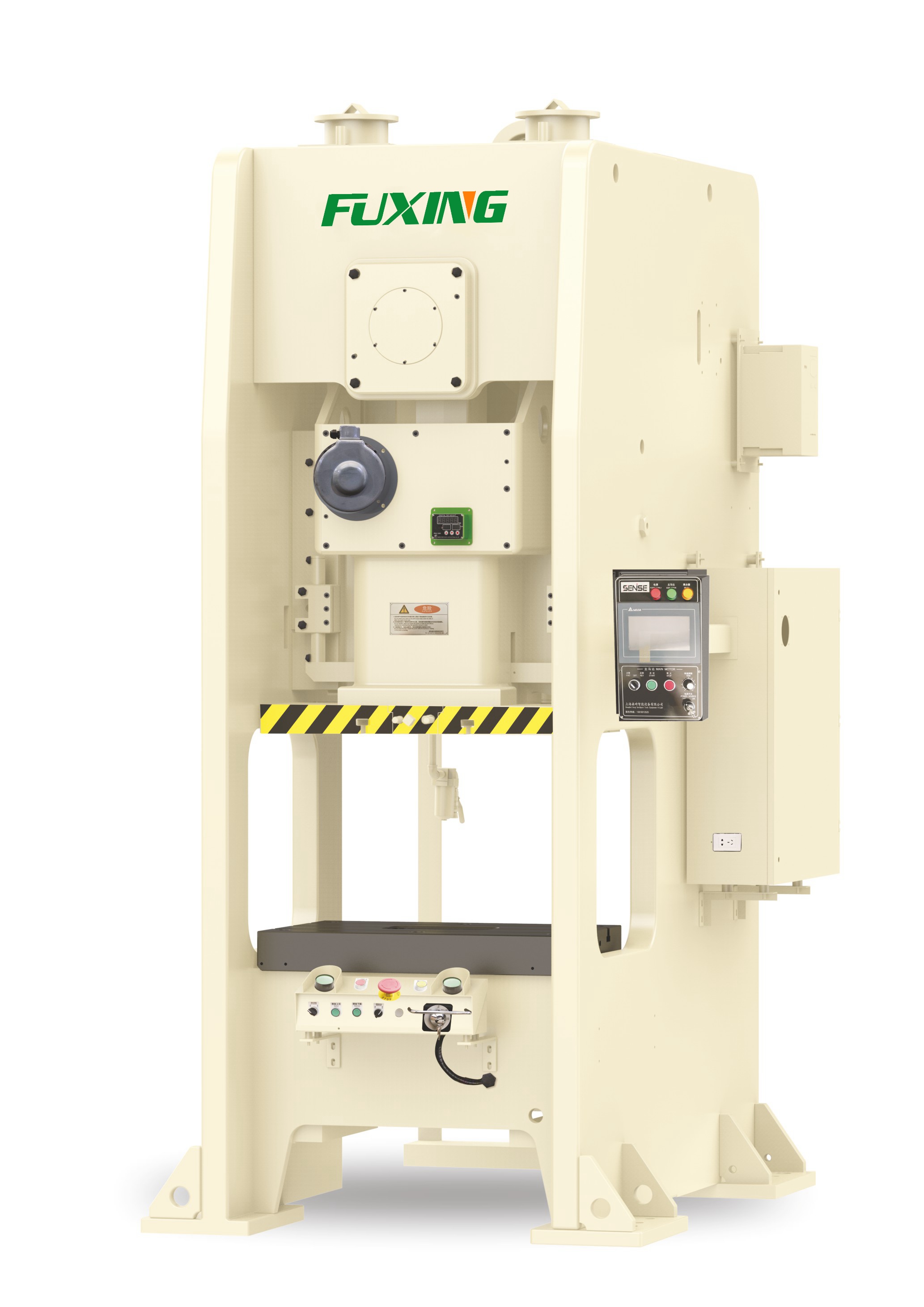
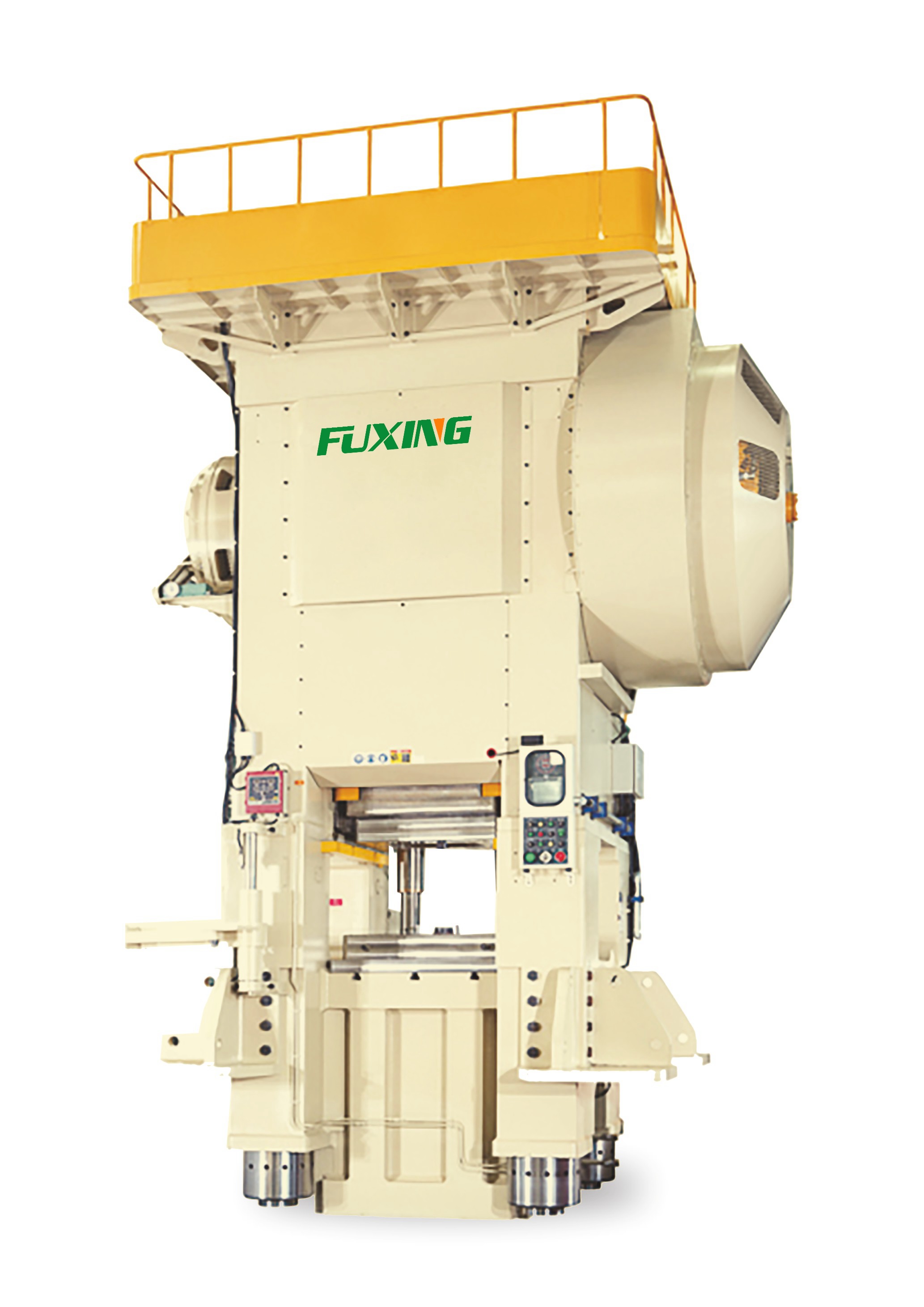
A high-quality stamping press should provide:
High Rigidity
Reduces machine deformation during high-speed stamping and improves die life.
High Precision
Maintains stable product dimensions during long-term production.
Stable Stamping Force
Meets different material and forming requirements.
Automation Compatibility
Allows integration with feeders, decoilers, and automatic production lines.
Conclusion
From standard flat washers to chamfered washers, self-locking washers, and disc spring washers, stamping presses are the foundation of efficient washer manufacturing.
By combining high-precision stamping presses, automatic feeding systems, and advanced progressive die technology, washer manufacturers can achieve one-step forming, continuous automated production, higher efficiency, and stable product quality.
For high-volume washer manufacturers, choosing the right stamping press is not only about increasing production capacity — it is about achieving long-term reliable manufacturing performance.