Welcome to Shandong Fuxing Machinery Co., Ltd.
The Relationship Between Press Machines and Washers: Achieving Automated Production with Vision Feed
Washers may seem like simple components, but they play a critical role in countless industrial applications. From automotive manufacturing and construction equipment to electrical systems and household appliances, washers are essential for ensuring secure and reliable assembly.
But how are washers produced efficiently and consistently? What role does a press machine play in their manufacturing process? And how can conventional feeders and vision feeding systems help manufacturers achieve higher levels of automation?
This article explores the connection between press machines and washer production, as well as the automation technologies transforming modern stamping operations.
What Is a Washer?
A washer is a thin plate or disk typically placed under a bolt, screw, or nut to distribute load and improve fastening performance.
Common functions of washers include:
Distributing pressure evenly
Preventing surface damage
Improving joint stability
Reducing vibration and loosening
Creating spacing and alignment
Washers can be manufactured from various materials, including:
Carbon steel
Stainless steel (SS304, SS316)
Brass
Copper
Aluminum
Spring steel
Depending on the application, washer sizes can range from miniature electronic components to large industrial parts used in heavy machinery.
Why Press Machines Are Essential for Washer Manufacturing
Most metal washers are produced through a stamping process.
A press machine generates the force required to shape sheet metal into finished washer products using specially designed tooling.
For example, a stainless steel washer with the following specifications:
Outside Diameter: 56 mm
Inside Diameter: 31 mm
Thickness: 4 mm
Material: SS304 Stainless Steel
Typically undergoes the following manufacturing steps:
1. Piercing
The center hole is punched first.
2. Blanking
The outer diameter is cut to create the washer profile.
3. Forming and Calibration
Additional processes ensure dimensional accuracy and flatness.
4. Automatic Collection
Finished parts are transferred to a collection system for packaging or further processing.
The entire cycle can be completed within seconds, enabling high-volume production with consistent quality.
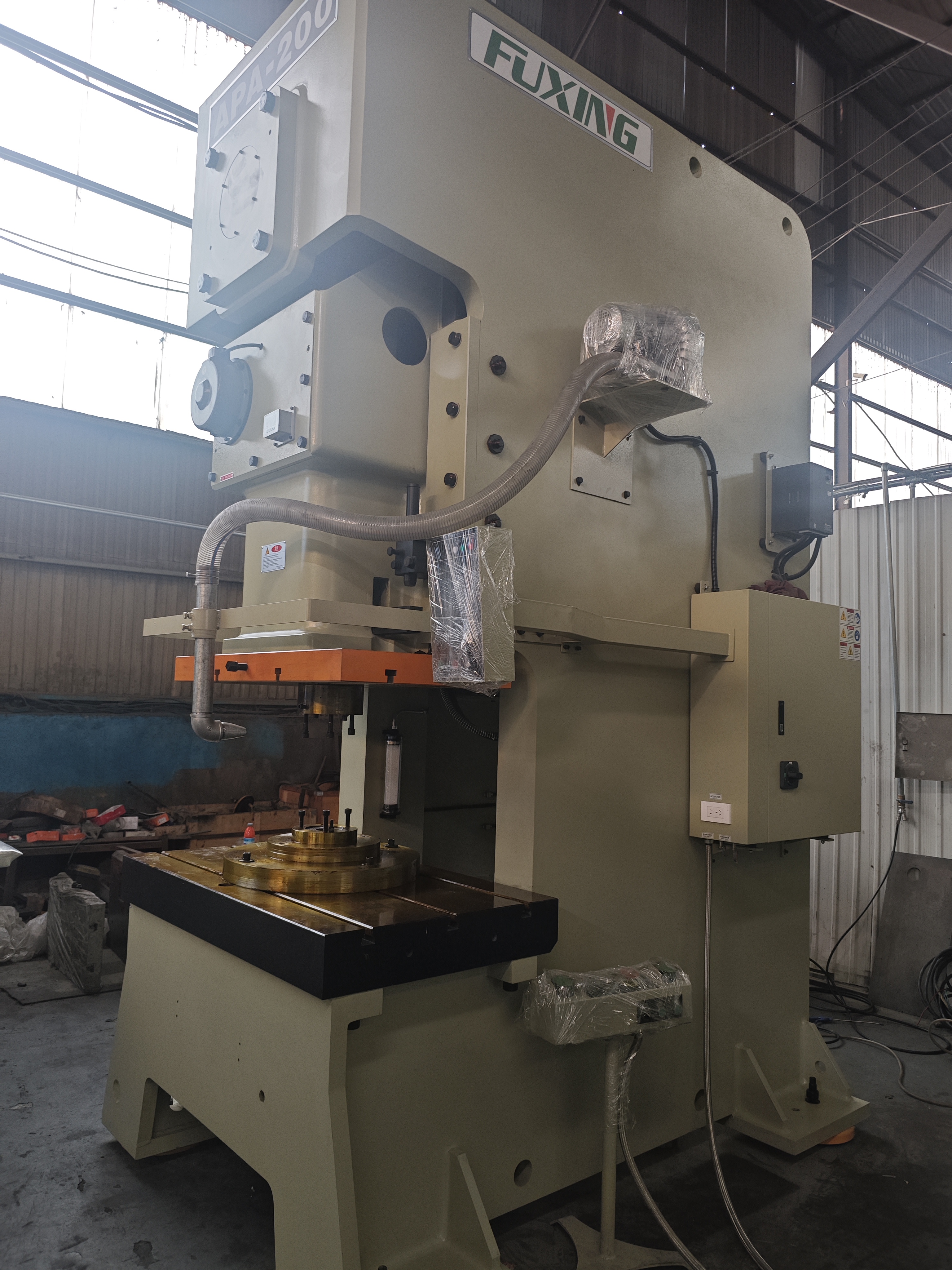
Why Pneumatic Press Machines Are Popular for Washer Production
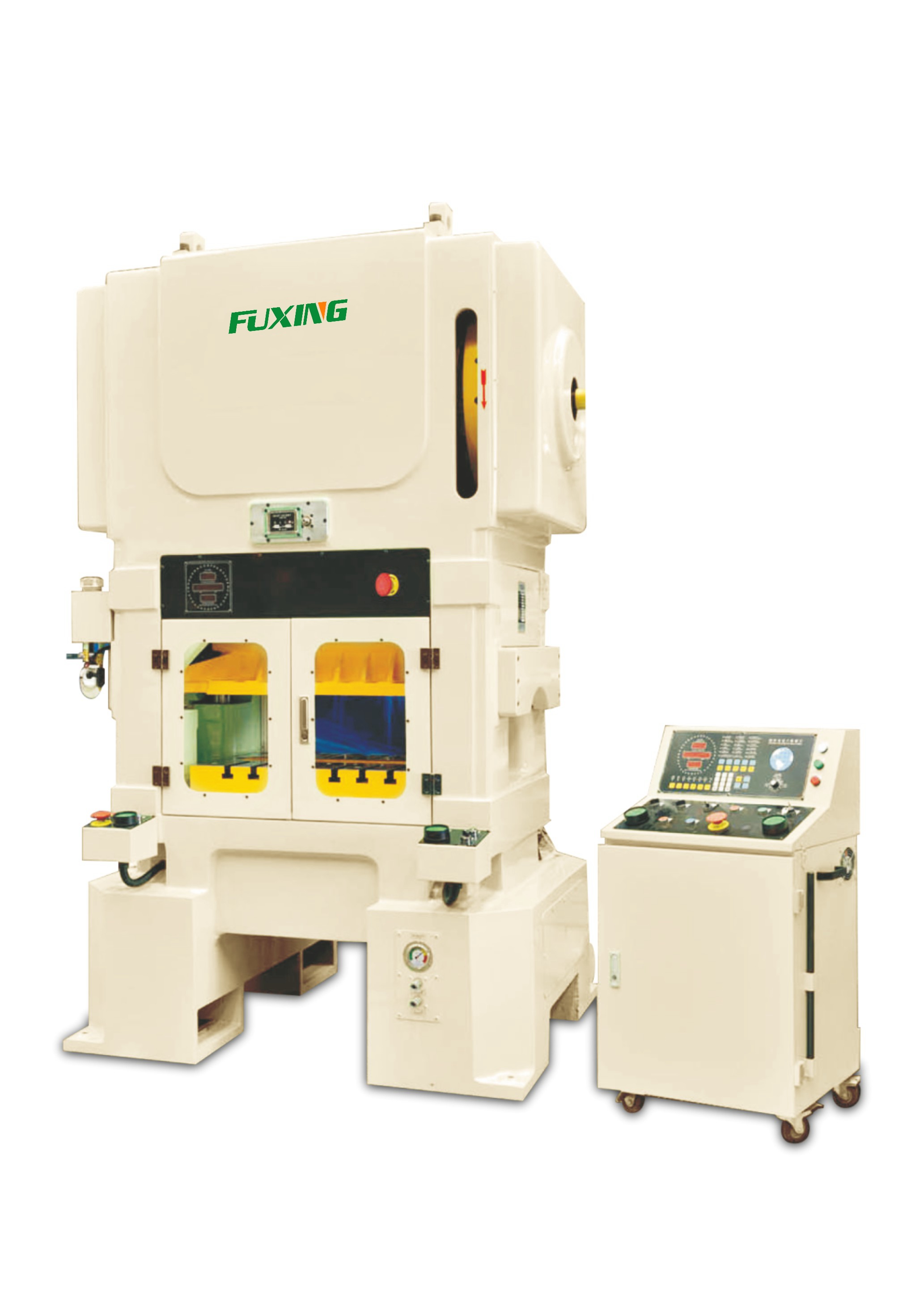
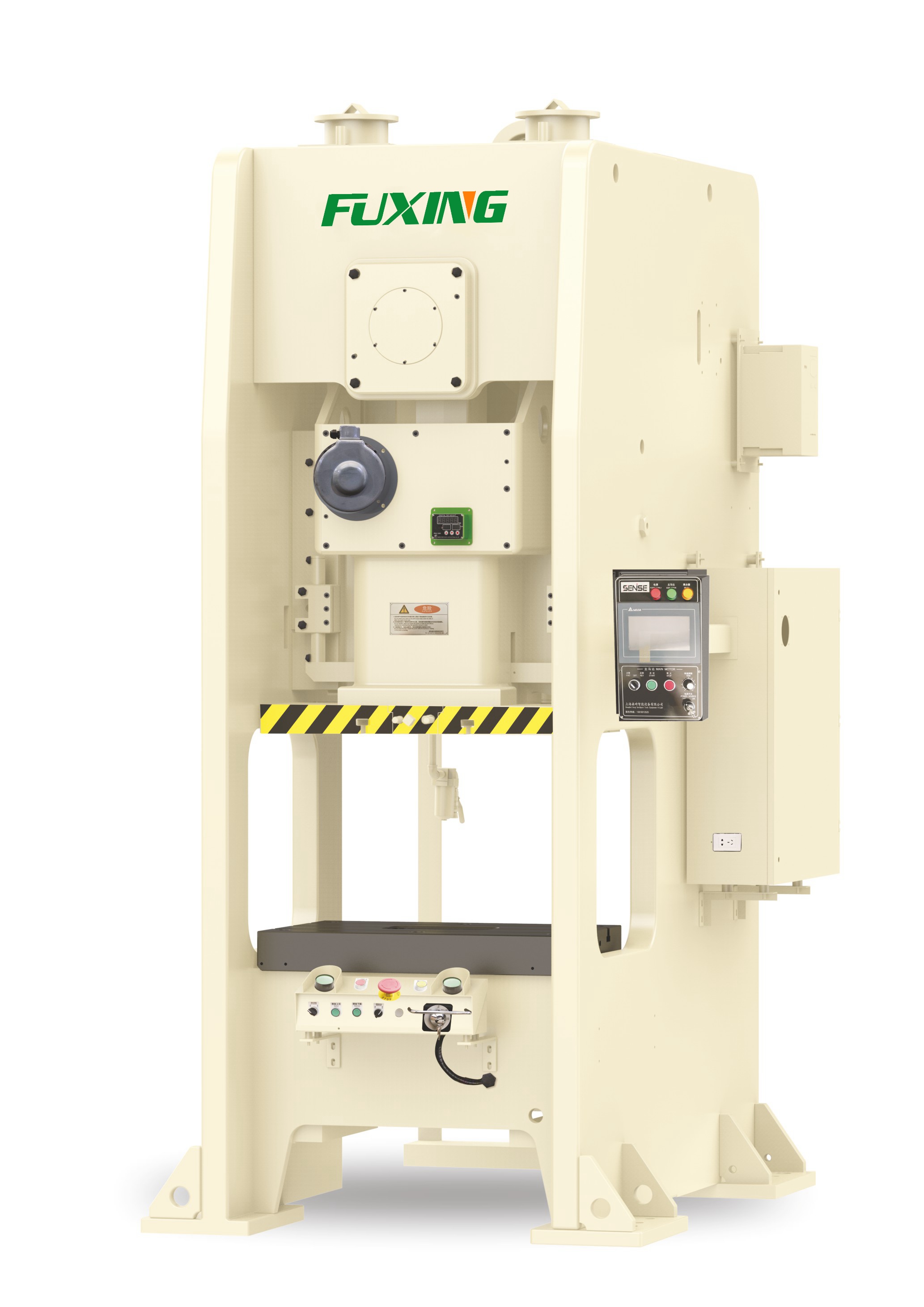
Modern washer manufacturers increasingly choose high-precision pneumatic press machines due to their excellent performance and reliability.
High Precision
Advanced guide systems ensure accurate slide movement and consistent die alignment.
Stable Operation
Pneumatic clutch and brake systems provide smooth operation during continuous production.
Enhanced Safety
Overload protection and emergency stop systems help protect both equipment and operators.
Lower Maintenance Costs
Robust mechanical structures reduce downtime and simplify maintenance.
For thicker stainless steel washers, manufacturers commonly use:
80-Ton Press Machines
110-Ton Press Machines
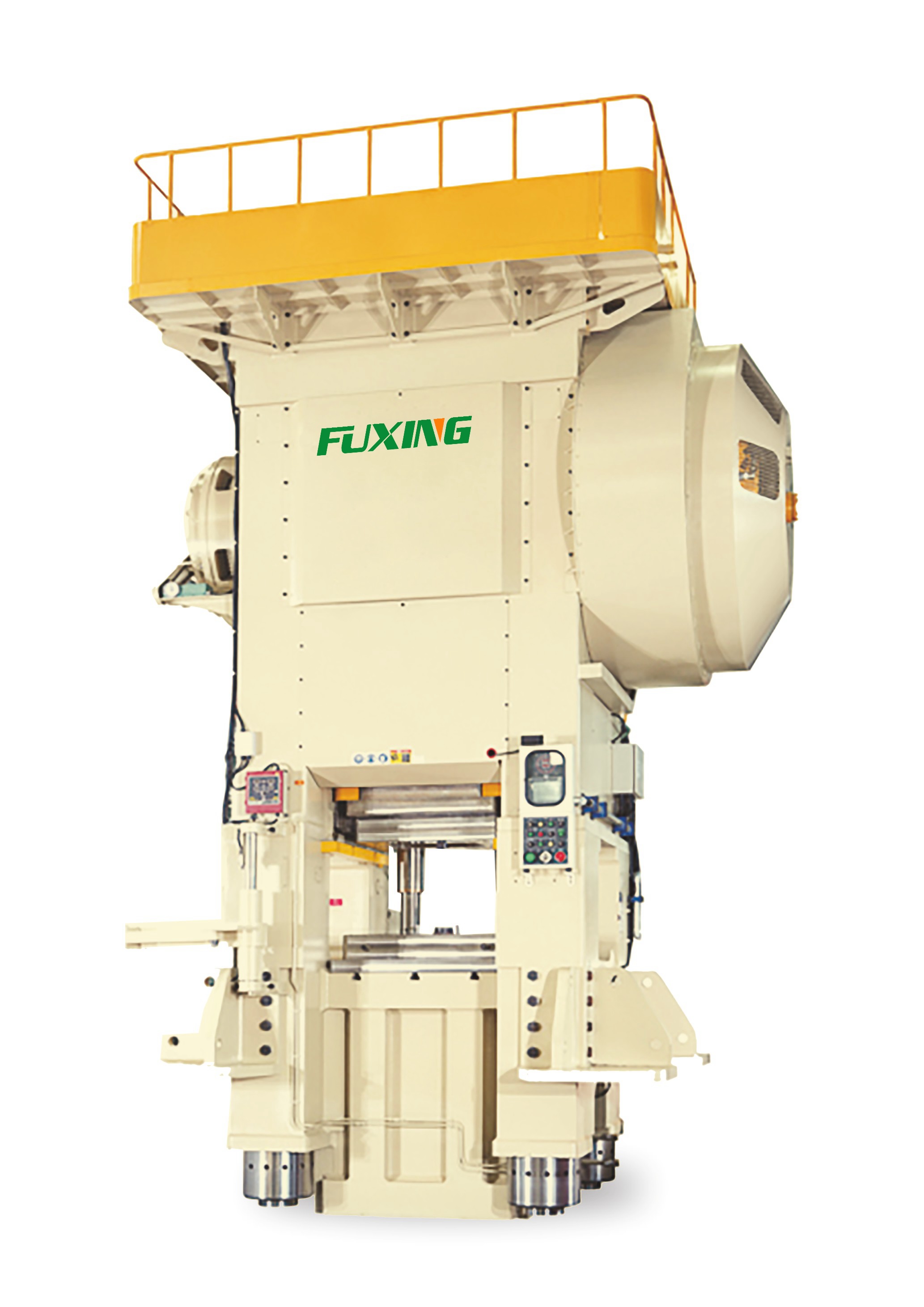
160-Ton Press Machines
200-Ton Press Machines
The appropriate tonnage depends on material thickness, part dimensions, and die design.
How Conventional Feeders Enable Automated Production
In traditional production environments, operators manually load material into the press machine.
This approach often results in:
Lower productivity
Higher labor costs
Inconsistent quality
Increased safety risks
To improve efficiency, manufacturers use automatic feeding systems.
Common feeding equipment includes:
NC Servo Feeders
Servo motors accurately control feeding length and positioning.
Advantages:
High feeding accuracy
Easy parameter adjustment
Ideal for progressive die applications
Roller Feeders
Mechanical rollers advance material into the press.
Advantages:
Cost-effective
Simple structure
Easy maintenance
Three-in-One Feeding Systems
These systems integrate:
Decoiling
Straightening
Feeding
Advantages:
Space-saving design
Higher automation level
Excellent for coil-fed production lines
With automatic feeders, press machines can operate continuously with minimal operator intervention, significantly increasing production efficiency.
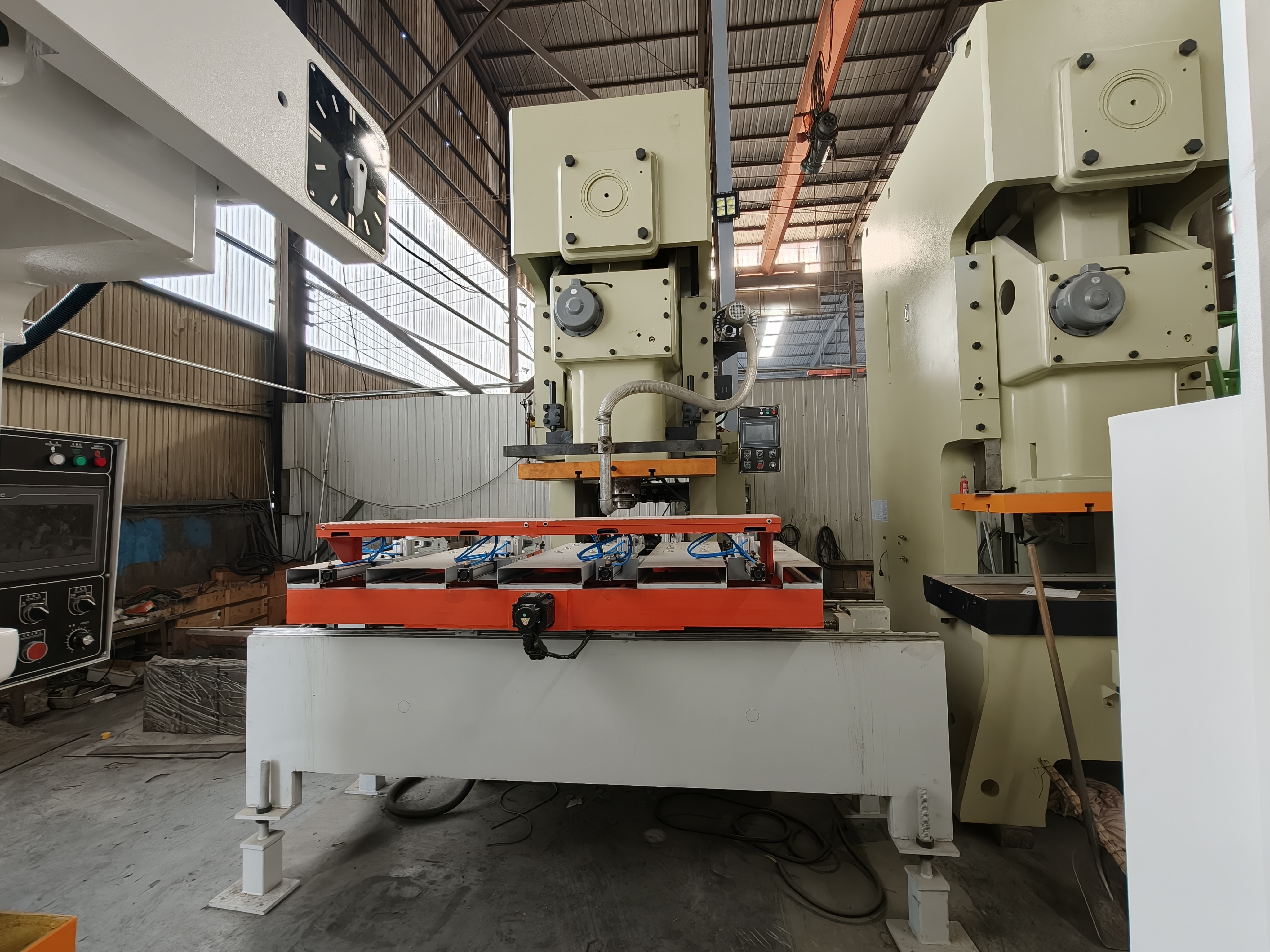
Vision Feeding Systems: The Future of Washer Manufacturing Automation
As Industry 4.0 technologies continue to evolve, vision-guided feeding systems are becoming increasingly popular in metal stamping applications.
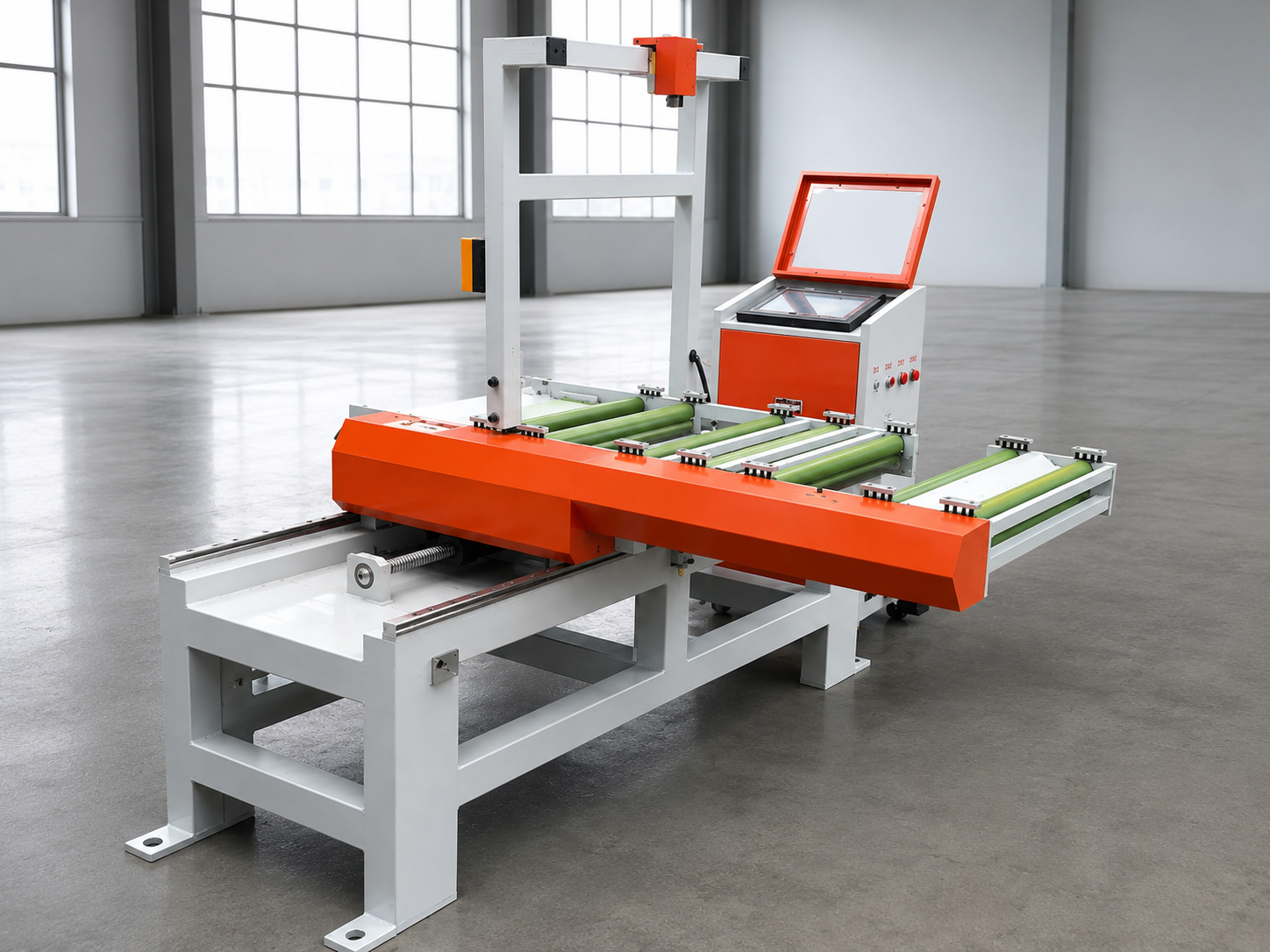
A vision feeding system combines:
Industrial cameras
Artificial intelligence (AI)
Image processing software
Robotic handling systems
to automatically identify, locate, and feed parts into the press machine.
How a Vision Feeding System Works
Image Recognition
Industrial cameras capture images of incoming workpieces.
Position Detection
The software analyzes the location and orientation of each part.
Intelligent Picking
Robotic arms automatically pick the workpiece.
Precision Feeding
The system accurately places the material into the die area for stamping.
Benefits of Vision Feeding Systems
Suitable for Irregular Parts
Ideal for washers, discs, forged blanks, laser-cut parts, and other non-coil materials.
Reduced Labor Requirements
One operator can supervise multiple production lines simultaneously.
Improved Material Utilization
Optimized positioning minimizes material waste.
Higher Consistency
Automated handling eliminates human positioning errors.
Unmanned Production Capability
Supports continuous 24/7 manufacturing operations.
For many washer manufacturers, vision-guided automation has become an important step toward smart factory implementation.
Future Trends in Washer Manufacturing
The washer production industry is rapidly evolving toward:
High-precision stamping
Intelligent automation
Vision-guided feeding systems
Robotic loading and unloading
MES (Manufacturing Execution Systems)
Smart factory integration
By combining advanced press machines with automated feeding technologies, manufacturers can significantly improve productivity, reduce labor costs, and maintain superior product quality.
FUXING MACHINERY: Your Complete Stamping Automation Solution Provider
FUXING MACHINERY is a professional manufacturer of press machines and metal stamping automation equipment in China.
We provide complete turnkey solutions for washer manufacturing and metal forming industries, including:
APA Series High-Precision Pneumatic Press Machines
C-Frame Press Machines
H-Frame Press Machines
NC Servo Feeders
Three-in-One Feeding Systems
Robotic Transfer Systems
Vision Feeding Systems
Complete Metal Stamping Production Lines
Whether you manufacture standard flat washers, spring washers, automotive washers, or custom metal stamping components, our experienced engineering team can help you select the right equipment and automation solution for your production needs.
For more information, visit:
FUXING MACHINERY – Your Trusted Partner in Metal Stamping Automation.