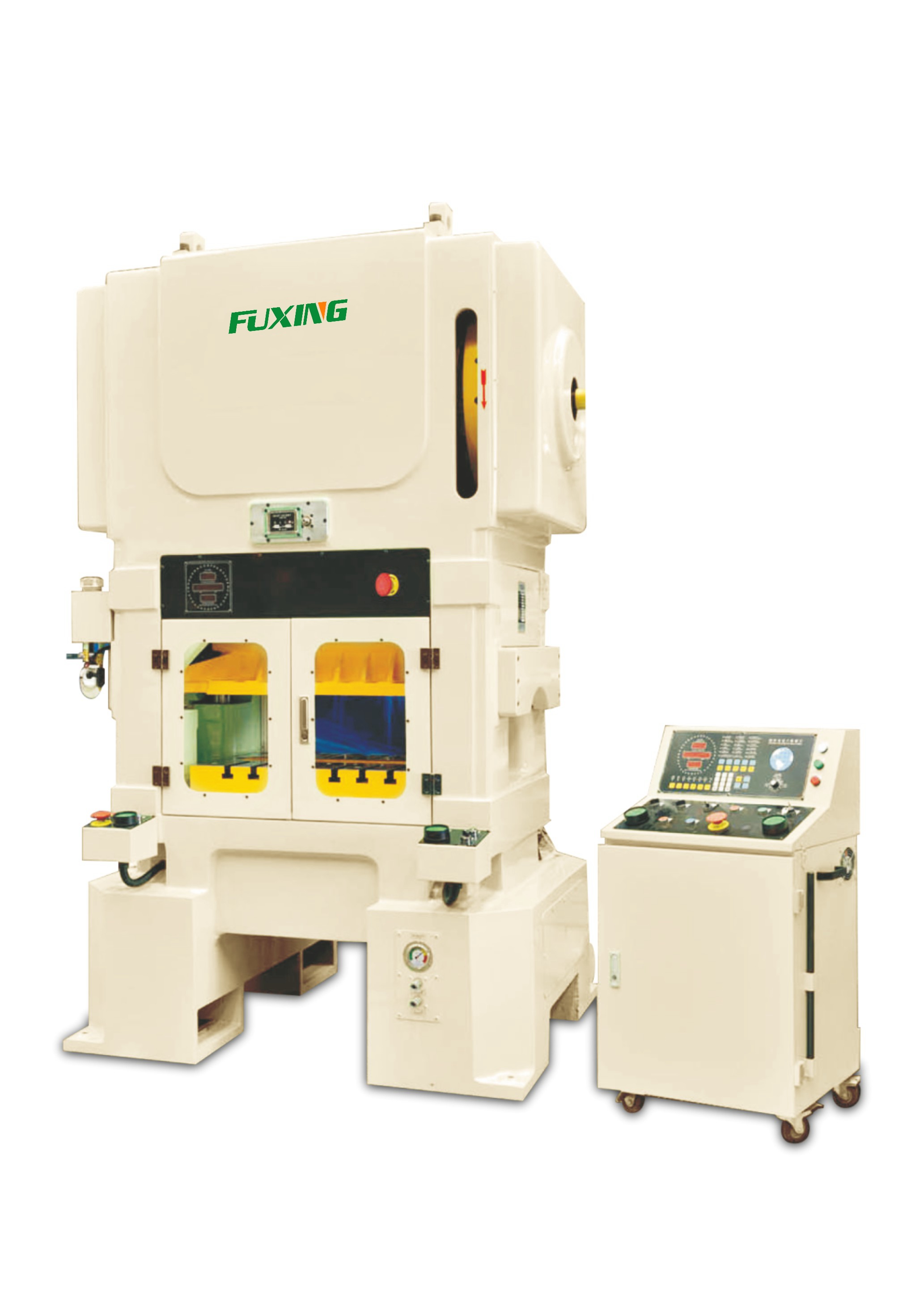
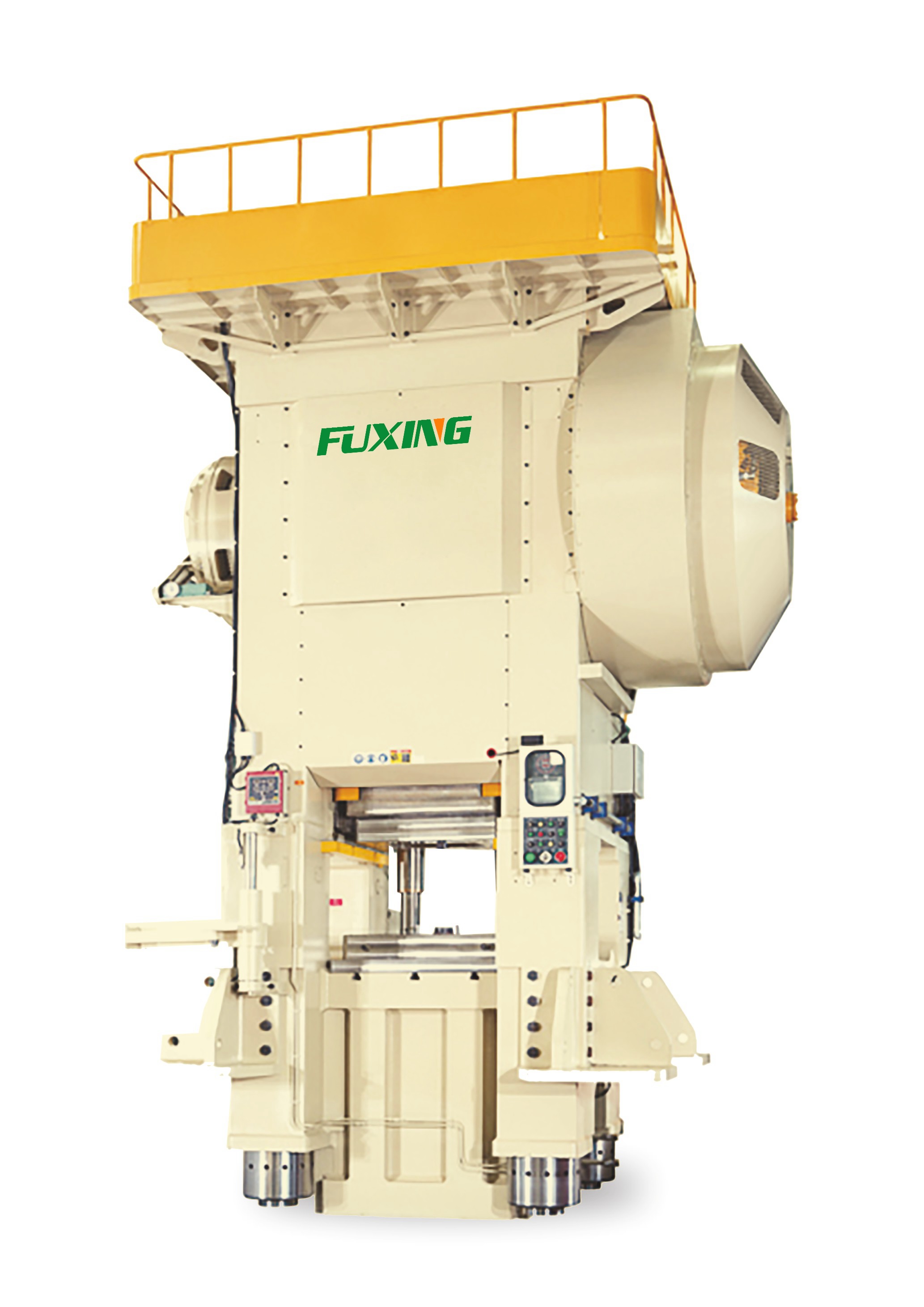
Welcome to Shandong Fuxing Machinery Co., Ltd.
What Is a Gap Frame Press? Why Is It Still One of the Most Popular Press Machines in Modern Metal St
In modern manufacturing, metal stamping is used in almost every industrial sector. From automotive parts and home appliance panels to motor laminations, electronic components, and construction hardware, countless metal products are produced through stamping processes. Among the many types of press machines available today, the Gap Frame Press continues to hold a very important position in the industry.
Even with the rapid development of servo presses, hydraulic presses, and intelligent manufacturing systems, the Gap Frame Press remains one of the most widely used stamping machines in factories around the world.
So, what exactly is a Gap Frame Press? Why has it remained a core production machine for so many years? Which industries use it most often? What are its advantages and limitations?
This article will provide a complete overview of the structure, working principle, applications, benefits, and future trends of the Gap Frame Press.
What Is a Gap Frame Press?
A Gap Frame Press is also commonly known as:
C Frame Press
Open Type Press
C Type Mechanical Press
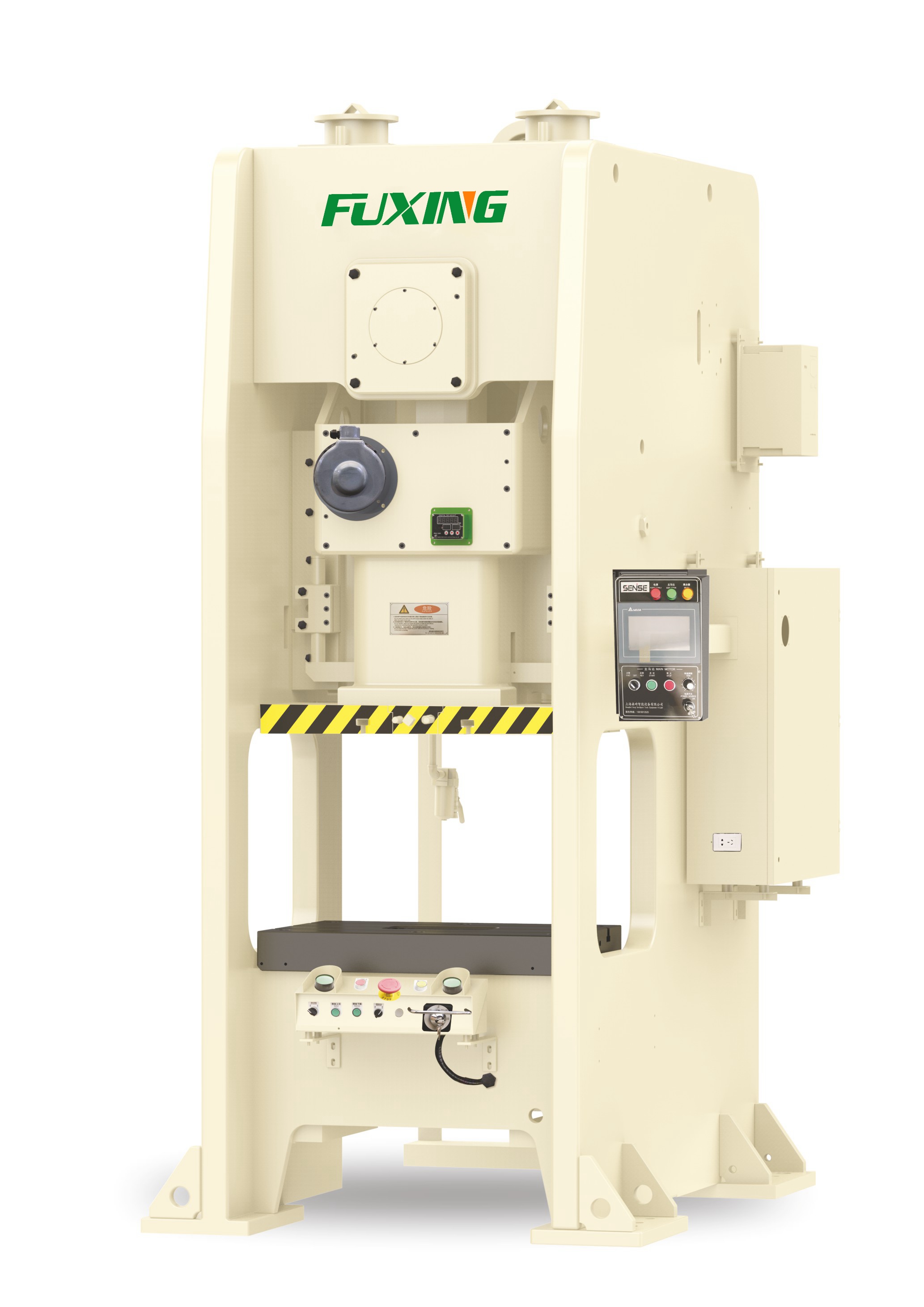
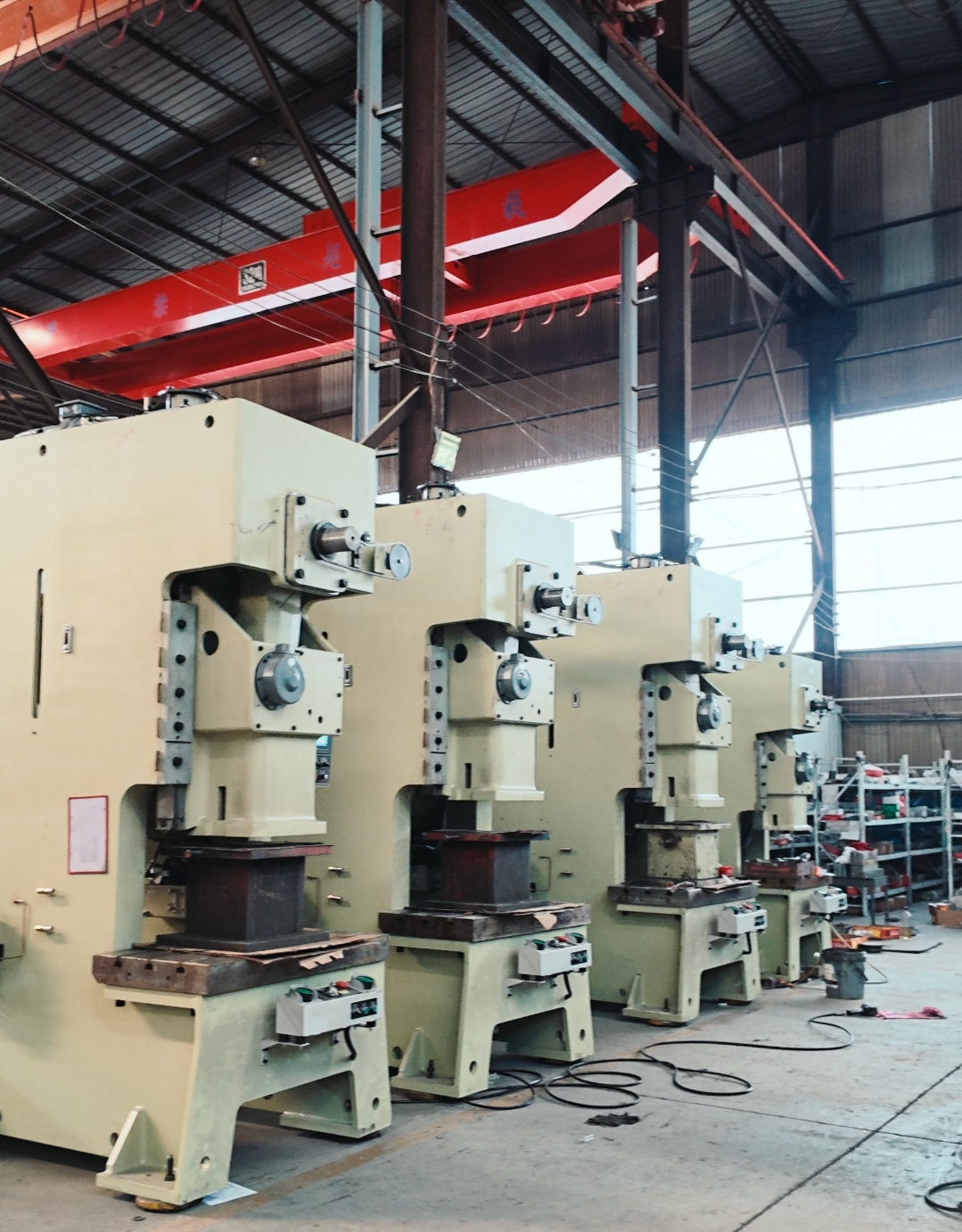
The machine is called a “C Frame” press because the side profile of the machine body resembles the letter “C”.
The term “Gap Frame” refers to the open space located at the front of the machine frame. This open structure allows operators to access the press from the front and both sides, making material loading, unloading, die installation, and automation integration much more convenient.
Compared with straight-side or H-frame presses, the Gap Frame Press offers a more open working area, making it especially suitable for small and medium-sized stamping operations.
Today, Gap Frame Presses are widely used in:
Hardware factories
Home appliance manufacturing
Motor production
Electronic component processing
Metal fabrication industries
How Does a Gap Frame Press Work?
Most Gap Frame Presses are mechanical presses.
Their working principle is based on a mechanical transmission system consisting of:
Motor → Flywheel → Crankshaft → Connecting Rod → Slide
The rotational motion generated by the motor is converted into vertical reciprocating movement of the slide.
When the slide moves downward, the die applies pressure to the metal material, completing various stamping processes such as:
Punching
Blanking
Bending
Drawing
Forming
Embossing
Because mechanical transmission systems are highly efficient, Gap Frame Presses usually provide:
High operating speed
High production efficiency
Low energy consumption
Stable operation
These characteristics make them highly suitable for continuous mass production.
Why Has the Gap Frame Press Remained So Popular?
Some people consider traditional mechanical presses to be outdated equipment.
However, even in today’s era of automation and intelligent manufacturing, the Gap Frame Press still maintains strong market demand.
The reason is simple:
It offers an excellent balance between:
Cost
Efficiency
Stability
Automation compatibility
Maintenance simplicity
For most factories, especially small and medium-sized stamping companies, the Gap Frame Press remains one of the most cost-effective solutions available.
Main Advantages of Gap Frame Presses
1. Convenient Operation and Easy Material Handling
Because of its open-frame structure, the Gap Frame Press allows operators to work from multiple directions.
This design provides several benefits:
Easier loading and unloading
Faster die installation
More convenient maintenance
Improved setup efficiency
For factories that frequently change dies and products, this flexibility is extremely important.
Many stamping workshops switch between different products every day, and the Gap Frame structure significantly improves production flexibility.
2. Lower Equipment Cost and High Cost Performance
Compared with large straight-side presses, Gap Frame Presses have a simpler machine structure, which results in:
Lower purchase cost
Smaller installation space
Easier installation
Lower maintenance cost
For newly established factories or companies with limited budgets, Gap Frame Presses are often the most practical choice.
They are especially common in:
Hardware manufacturing
Home appliance industries
Small metal parts production
3. High Production Efficiency for Continuous Stamping
Mechanical Gap Frame Presses usually operate at relatively high stroke speeds.
When combined with progressive dies and automatic feeding systems, they can achieve highly efficient continuous production.
Modern factories often equip these presses with:
NC feeders
3-in-1 feeding systems
Automatic unloading systems
Robotic loading and unloading devices
to build complete automated stamping lines.
Some factories are even able to achieve:
24-hour continuous production
Unmanned operation
High-speed automated stamping
This is one of the key reasons why Gap Frame Presses remain highly popular worldwide.
4. Strong Compatibility with Automation Systems
Some people believe traditional mechanical presses are not suitable for smart manufacturing.
In reality, modern high-end Gap Frame Presses are highly compatible with automation equipment.
Today’s machines are commonly equipped with:
PLC control systems
Inverter control systems
Photoelectric safety protection
Automatic lubrication systems
Quick die change systems
These features allow the machine to integrate smoothly with automated production equipment.
As a result, Gap Frame Presses are not being replaced by automation — they are becoming an essential part of automated stamping production lines.
Limitations of Gap Frame Presses
Of course, no machine is perfect.
Due to their open-frame structure, Gap Frame Presses also have some limitations.
1. Lower Resistance to Off-Center Loads
Because the frame is open on one side, uneven force distribution may cause slight frame deformation.
Therefore, for applications involving:
Large progressive dies
Ultra-high precision stamping
Extremely high tonnage operations
Straight-side presses are generally more stable.
2. Lower Rigidity in Large Tonnage Applications
As press tonnage increases, the rigidity of the Gap Frame structure becomes weaker compared with closed-frame designs.
For this reason, industries involving:
Automotive body panels
Large dies
Heavy plate stamping
usually prefer Straight Side Presses or H-frame presses.
Industries That Commonly Use Gap Frame Presses
Gap Frame Presses are widely used across many industries, including:
Hardware stamping
Home appliance manufacturing
Motor production
Construction hardware
Kitchenware manufacturing
Stainless steel products
Lighting industries
Electronic components
They are especially suitable for:
Small and medium tonnage production
Standard stamping parts
Medium and high-speed production
Automated continuous stamping lines
Typical products include:
Electrical brackets
Metal housings
Motor stator and rotor laminations
Small automotive parts
Hardware connectors
Future Development Trends of Gap Frame Presses
As manufacturing technology continues to evolve, Gap Frame Presses are also becoming more advanced.
Future development trends mainly include:
Higher Precision
By using:
High-rigidity machine frames
Six-side guide systems
Precision crankshaft mechanisms
manufacturers can further improve stamping stability and accuracy.
Smarter Manufacturing Integration
Future machines will increasingly adopt:
Intelligent control systems
Automatic fault diagnosis
Remote monitoring
Digital production management
to improve factory efficiency and data management.
Better Energy Efficiency
High-efficiency motors and intelligent inverter systems are helping factories reduce power consumption and long-term operating costs.
Greater Automation
Future Gap Frame Presses will increasingly integrate with:
Industrial robots
Automated feeding lines
Smart warehousing systems
to create fully automated smart factories.
How to Choose the Right Gap Frame Press
When purchasing a press machine, many companies focus only on:
Tonnage
Price
However, proper machine selection should also consider:
Product process requirements
Material thickness
Die type
Stroke length
SPM strokes per minute
Automation requirements
Precision requirements
Improper machine selection may lead to:
Increased die wear
Unstable product quality
Long-term machine overload
This is why choosing a professional equipment supplier is extremely important.
Fuxing Machinery – Professional Metal Stamping Solution Provider
If you are looking for stable, high-efficiency, and high-rigidity Gap Frame Press solutions, you can visit
Fuxing Machinery Official Website
As a professional press machine manufacturer in China, Fuxing Machinery provides:
C Frame Mechanical Presses
H Frame Straight Side Presses
High-Speed Presses
Cold Forging Presses
Automatic Feeding Systems
Complete Automated Stamping Production Lines
The equipment is widely used in:
Automotive parts manufacturing
Motor production
Home appliance industries
Hardware processing
Metal forming industries
Fuxing Machinery also supports:
Customized machine solutions
Automation integration
Quick die change systems
Photoelectric safety protection
Global export services
Helping customers worldwide achieve more stable, efficient, and intelligent metal stamping production.
Conclusion
The Gap Frame Press has remained one of the most important machines in the metal stamping industry for good reason.
With its:
High efficiency
Excellent cost performance
Easy operation
Strong automation compatibility
it continues to meet the needs of modern factories for stable and cost-effective production.
As smart manufacturing continues to advance, future Gap Frame Presses will become increasingly:
Intelligent
Precise
Automated
Energy-efficient
and will continue to play a critical role in the global manufacturing industry.