Welcome to Shandong Fuxing Machinery Co., Ltd.
What Can a Press Machine Do?
A Complete Guide to Press Machine Applications and Metal Stamping Processes
In modern manufacturing, many of the metal products we see every day are produced with the help of one important machine — the Press Machine.
From automotive parts and home appliance panels to electronic components, metal brackets, and EV battery cases, countless metal products are manufactured through stamping processes.
When many people first hear the term “press machine,” they may think it simply presses metal. In reality, modern press machines are one of the core pieces of equipment in industrial automation and mass production.
So, what exactly can a press machine do, and why is it so important in manufacturing?
What Is a Press Machine?
A press machine is also commonly called:
Punch Press
Stamping Press
Power Press Machine
It is a machine that uses powerful force and dies to process sheet metal into different shapes and products.
A press machine can perform:
Punching
Blanking
Forming
Deep Drawing
Bending
Embossing
Trimming
Because of its versatility and efficiency, the press machine has become one of the most essential machines in the metal stamping industry.
Common Metal Stamping Processes
1. Punching — Creating Holes in Metal
Punching is one of the most basic functions of a press machine.
The machine uses stamping dies to quickly create holes in metal sheets.
Common applications include:
Ventilation holes
Screw holes
Metal panel holes
Terminal holes
Modern high-speed press machines can perform hundreds of punching operations per minute.
2. Blanking — Cutting Product Shapes from Metal Sheets
Blanking is the process of cutting product outlines directly from sheet metal.
Typical products include:
Washers
Metal brackets
Hardware parts
Motor laminations
Many metal products begin with the blanking process.
Compared with laser cutting, blanking with a press machine is much faster and more cost-effective for mass production.
3. Forming — Transforming Flat Metal into 3D Shapes
A press machine can also change the shape of metal materials.
With forming dies, flat metal sheets can become:
Brackets
Metal boxes
Reinforcement structures
Metal housings
This is why many appliance housings and computer cases are manufactured using press machines.
4. Deep Drawing — Producing Deep and Hollow Metal Parts
Deep drawing is a more advanced stamping process.
It transforms flat sheet metal into hollow or cup-shaped products such as:
Stainless steel sinks
Battery cases
Metal containers
Automotive body parts
This process requires high precision, excellent machine stability, and high-quality dies.
What Products Can Be Manufactured with Press Machines?
Automotive Parts
The automotive industry is one of the largest users of press machines.
Stamped automotive components include:
Vehicle body parts
Chassis components
Reinforcement plates
EV battery trays
With the rapid growth of electric vehicles, demand for high-precision stamping equipment continues to increase.
Home Appliance Components
Many household appliances rely on stamped metal parts, including:
Air conditioner panels
Refrigerator metal components
Washing machine panels
Stamping ensures consistent product dimensions and supports large-scale manufacturing.
Electronics and Precision Industries
The electronics industry often uses high-speed precision press machines to produce:
Connectors
Electronic terminals
Heat sinks
Precision hardware parts
These industries require extremely high stamping accuracy and machine stability.
Why Are Press Machines Essential in Modern Factories?
1. Extremely High Production Efficiency
Compared with traditional metal processing methods:
Press machines operate much faster
They are ideal for mass production
Automation is easier to achieve
Many automatic stamping lines can run continuously 24 hours a day.
2. Lower Manufacturing Costs
For large-scale production:
Stamping significantly reduces production costs
Material utilization is higher
Labor requirements are lower
This makes press machines highly suitable for industrial manufacturing.
3. Better Product Consistency
With precision dies and stable press machines:
Product dimensions remain consistent
Errors are minimized
Product quality becomes more reliable
This is especially important in the automotive and electronics industries.
Modern Press Machines and Automation
Today, many factories no longer rely on a single standalone press machine.
Instead, they integrate:
Decoilers
Straighteners
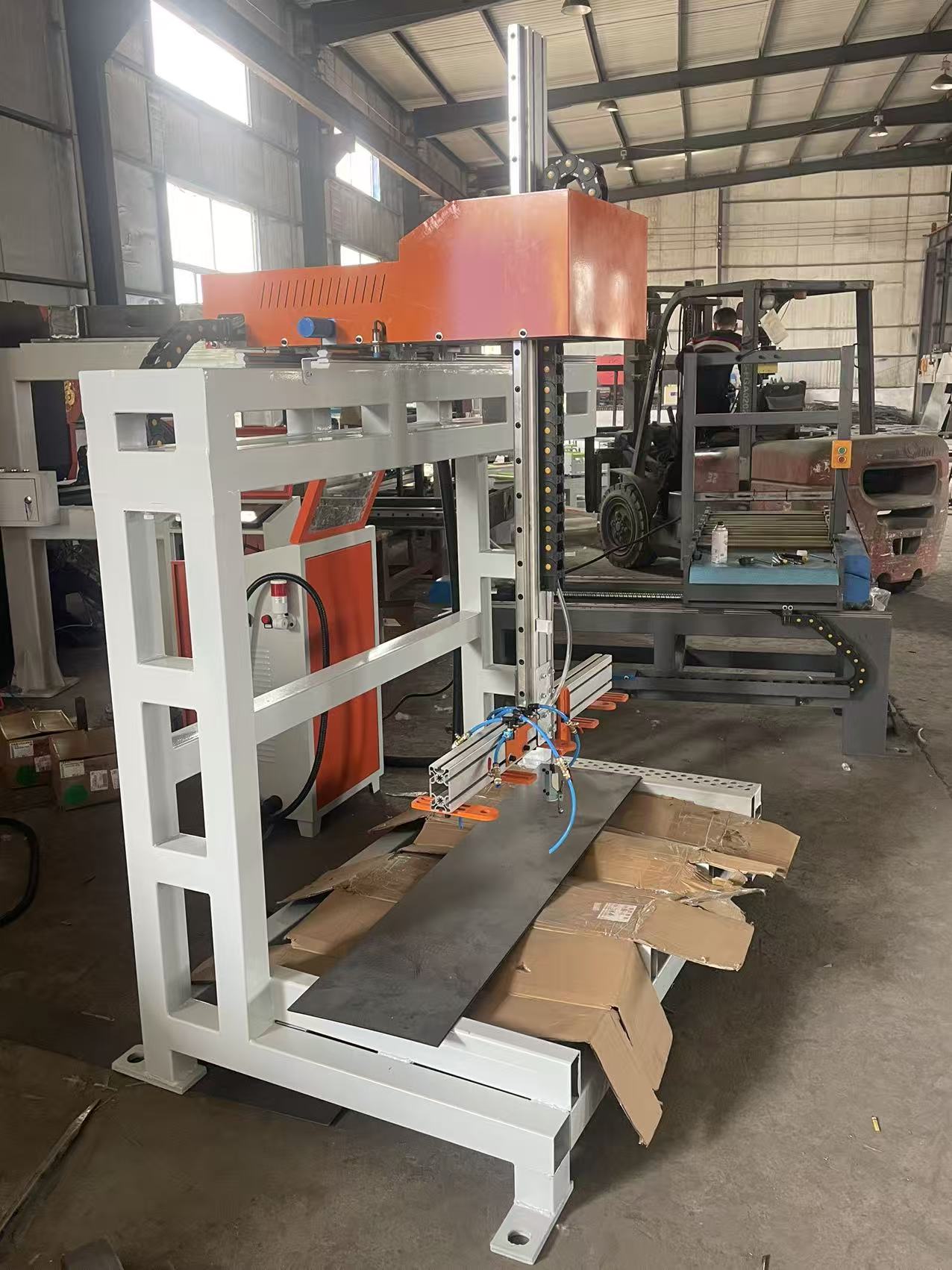
NC Feeders
Automatic Collection Systems
to create complete automatic stamping production lines.
This production method offers:
Higher efficiency
Better safety
Reduced labor costs
and represents the future direction of modern manufacturing.
Why More Factories Are Choosing High-Precision Pneumatic Press Machines
As manufacturing standards continue to rise, traditional low-precision presses can no longer meet modern factory requirements for:
Precision
Stability
Automation
Safety
Especially in industries such as automotive, new energy, and precision electronics, high-precision pneumatic press machines are becoming increasingly popular.
High-quality pneumatic press machines offer:
Higher stamping accuracy
More stable operation
Lower noise levels
Better safety performance
Better compatibility with automated production
For manufacturers, a reliable press machine directly affects production efficiency and product quality.
Choosing a Professional Press Machine Manufacturer Matters
When purchasing press machines, customers focus not only on price but also on:
Machine stability
Production accuracy
After-sales service
Automation integration capability
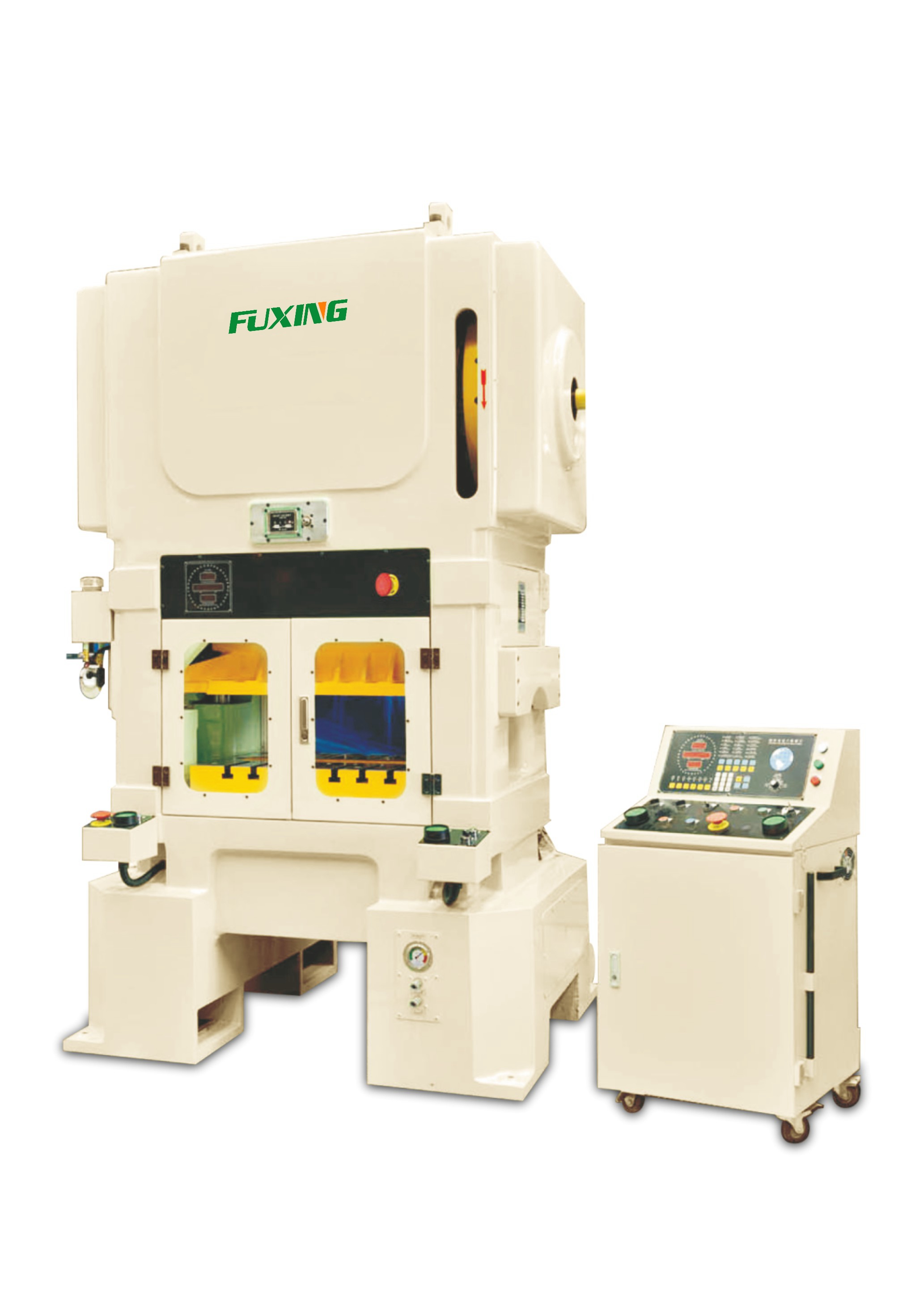
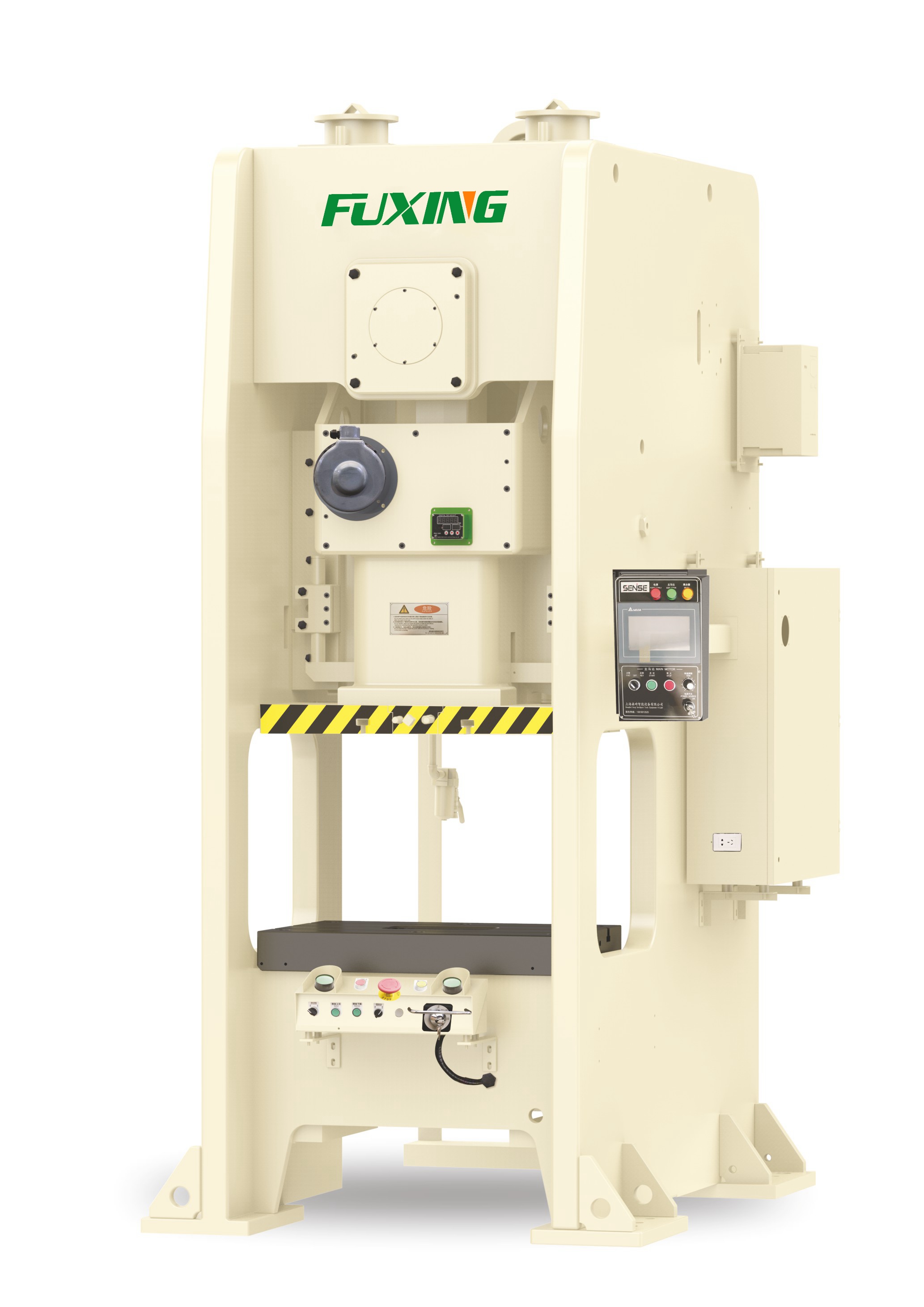
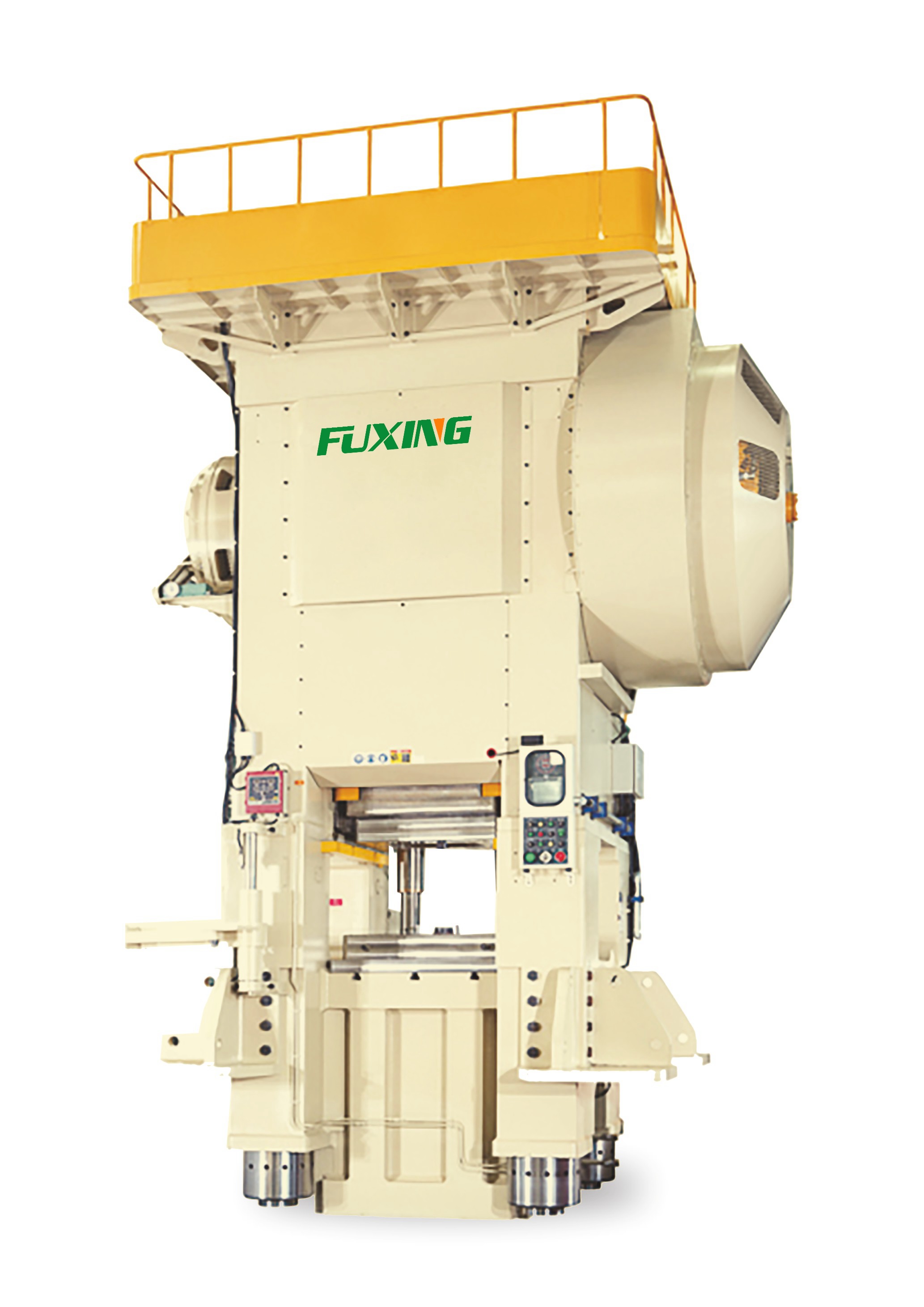
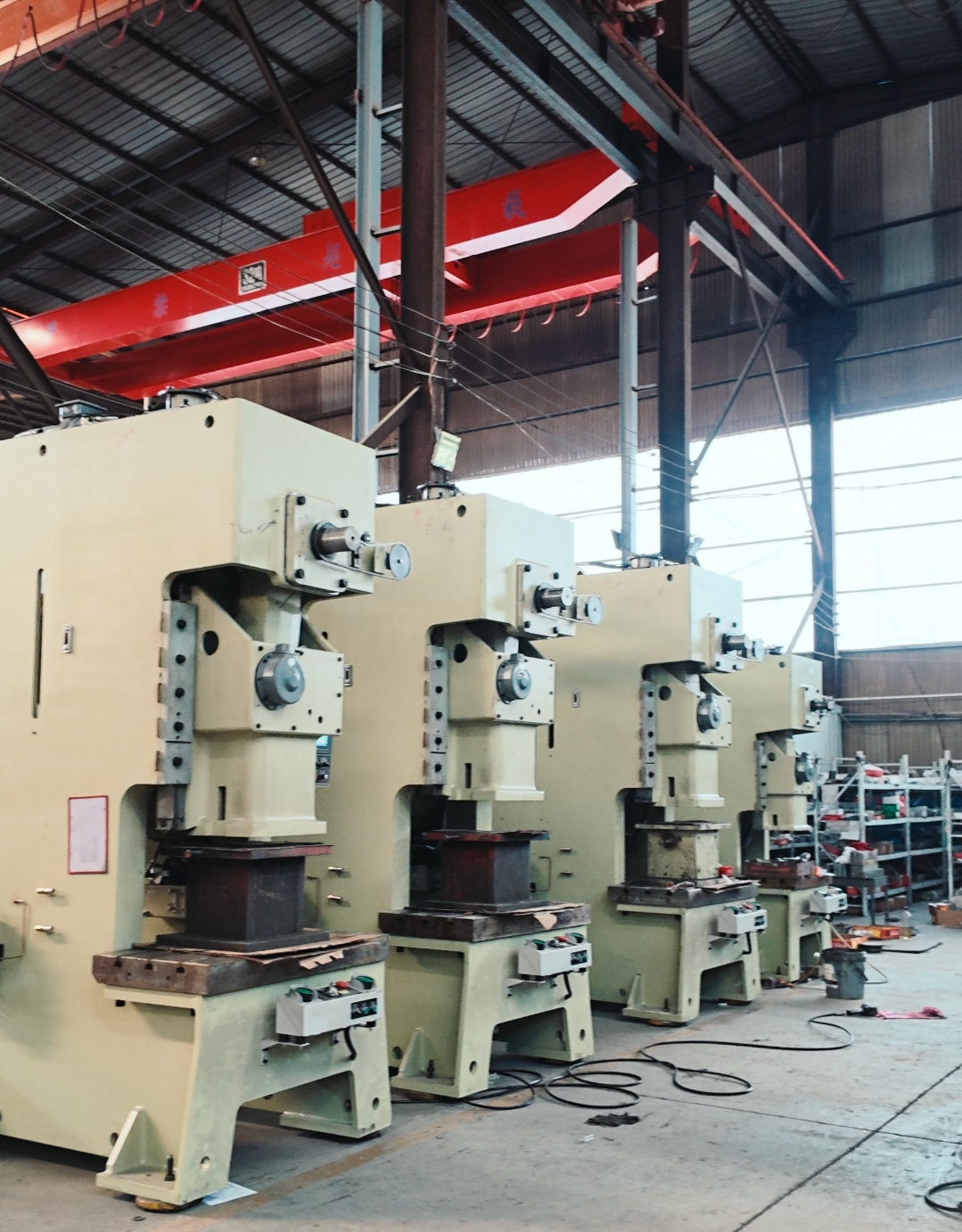
As a professional Chinese press machine manufacturer, Fuxing Machinery specializes in:
High-Precision Pneumatic Press Machines
Open Type Press Machines
Closed Type Press Machines
Automatic Stamping Production Lines
Complete Metal Forming Solutions
Its products are widely used in:
Automotive manufacturing
Home appliance production
Hardware processing
New energy industries
Precision electronics manufacturing
In addition, Fuxing Machinery Official Website provides:
Stamping automation solutions
Die matching recommendations
Online technical support
Customized production solutions
to help customers improve productivity and product quality.
Conclusion
Although a press machine may appear to be just another industrial machine, it actually supports large-scale modern manufacturing around the world.
From simple metal brackets to EV components and precision electronic parts, press machines are involved in the production of countless products we use every day.
As automation and intelligent manufacturing continue to evolve, the future of the press machine industry will move toward:
Higher precision
Greater efficiency
Smarter automation
Better energy efficiency
High-quality and stable press machines will continue to play a vital role in improving manufacturing competitiveness worldwide.