Welcome to Shandong Fuxing Machinery Co., Ltd.
Pneumatic Power Press vs. Mechanical Power Press: Differences and Selection Guide
In the metal stamping industry, pneumatic power presses and mechanical power presses are widely used in manufacturing. For companies planning to purchase stamping equipment, understanding their differences can help them choose the right machine based on product requirements, production efficiency, and automation needs.
So, what is the difference between a pneumatic power press and a mechanical power press? Which one is more suitable for your production?
1. How Do Pneumatic and Mechanical Power Presses Work?
1.1 Pneumatic Power Press
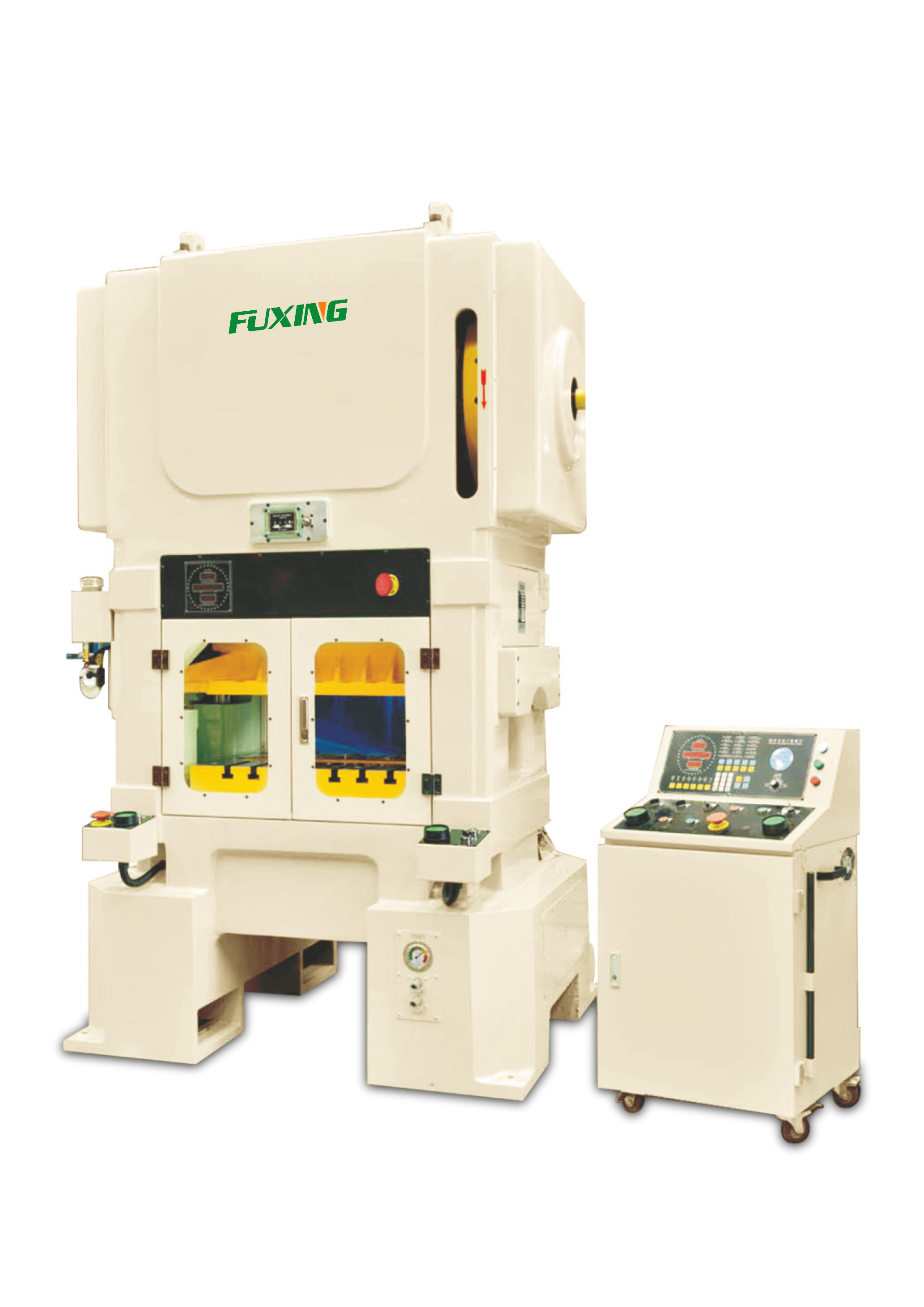
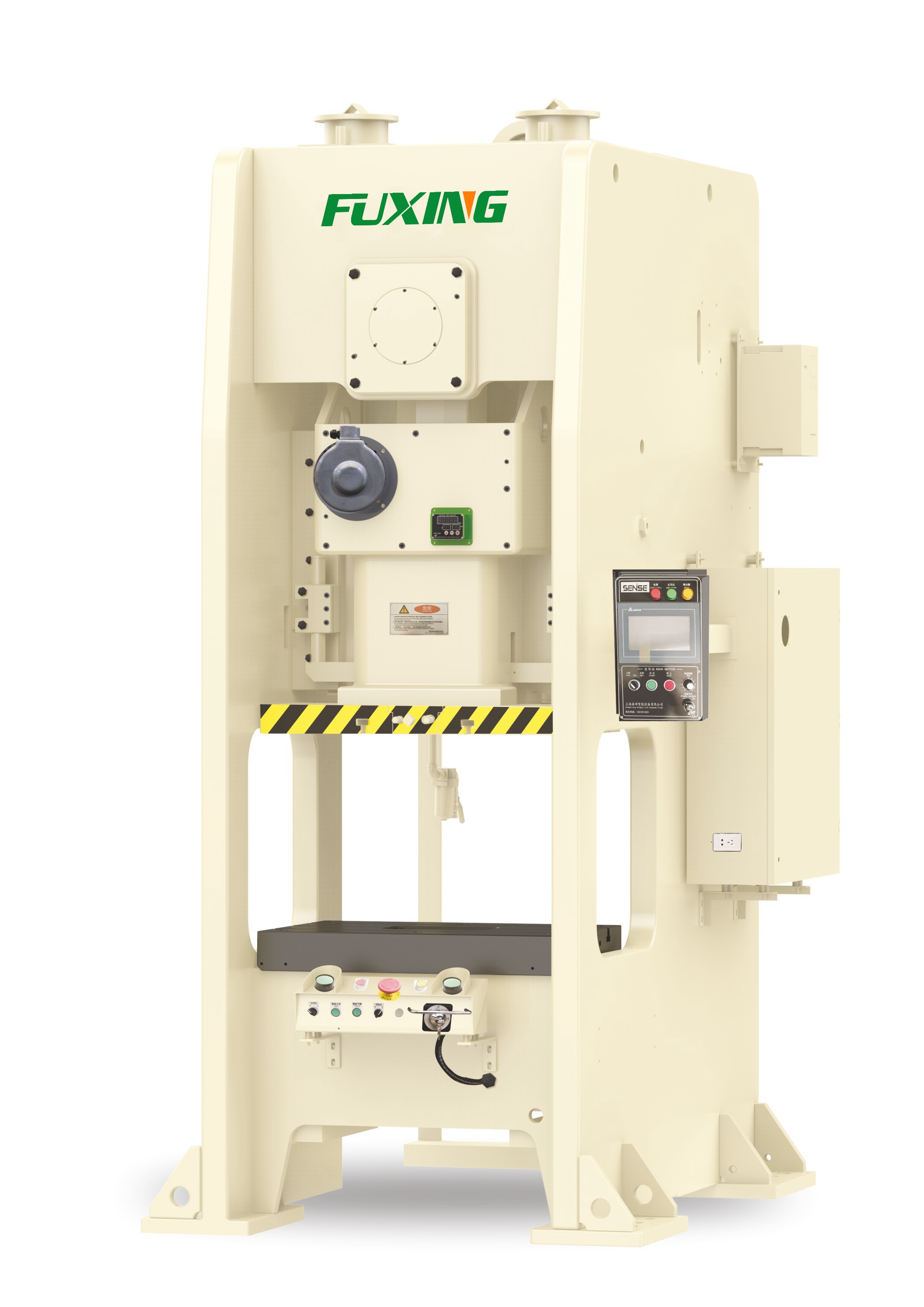
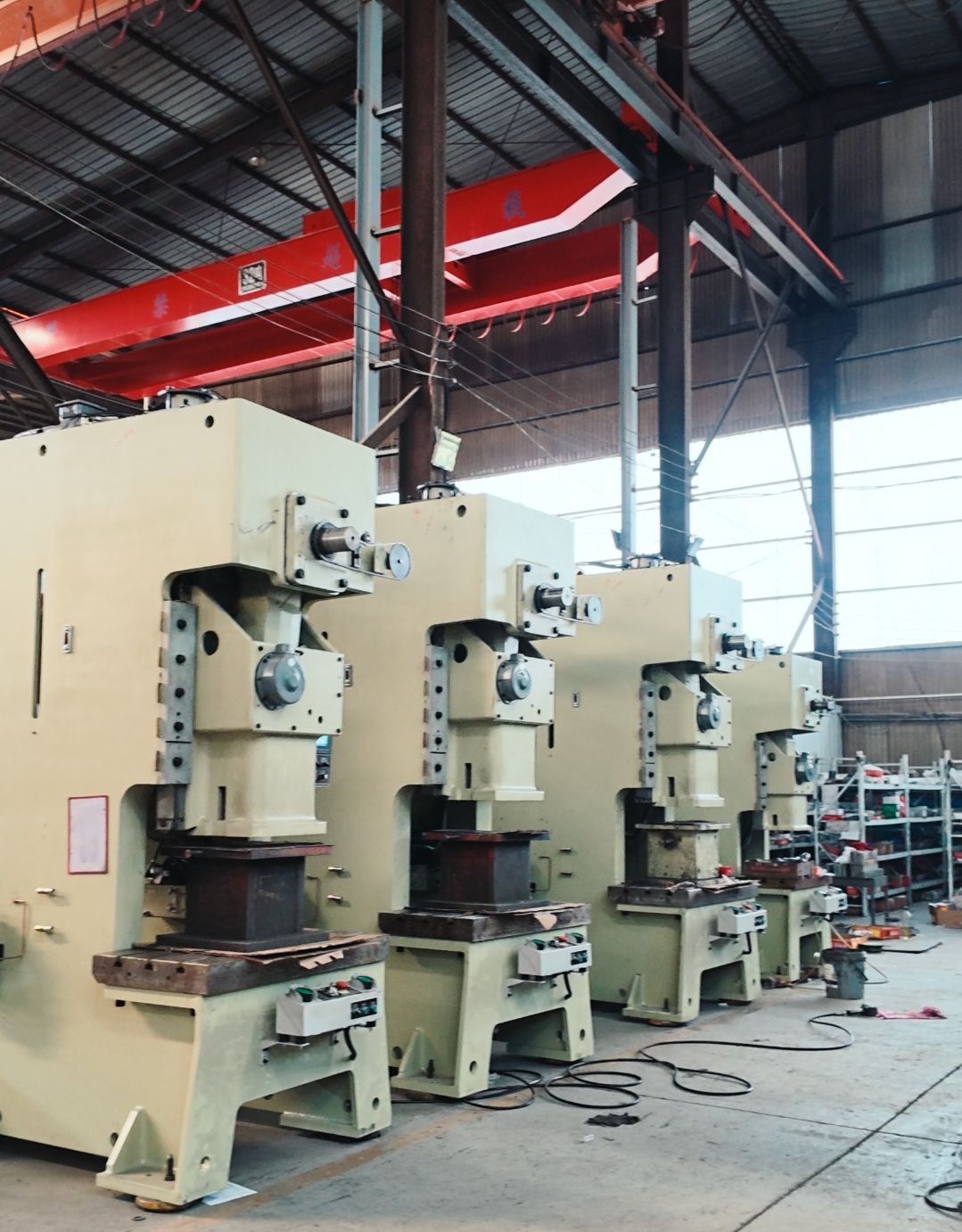
In industrial stamping, the term “pneumatic power press” often refers to a mechanical power press equipped with a pneumatic clutch and brake system.
The electric motor supplies the power, while the transmission mechanism drives the crankshaft to convert rotational motion into the reciprocating movement of the slide. Compressed air controls the clutch and brake, allowing the machine to engage and stop according to its control system.
This configuration combines mechanical stamping force with convenient pneumatic control. It is widely used for manufacturing hardware components, flat washers, electronic parts, and other stamped metal products.
1.2 Mechanical Power Press
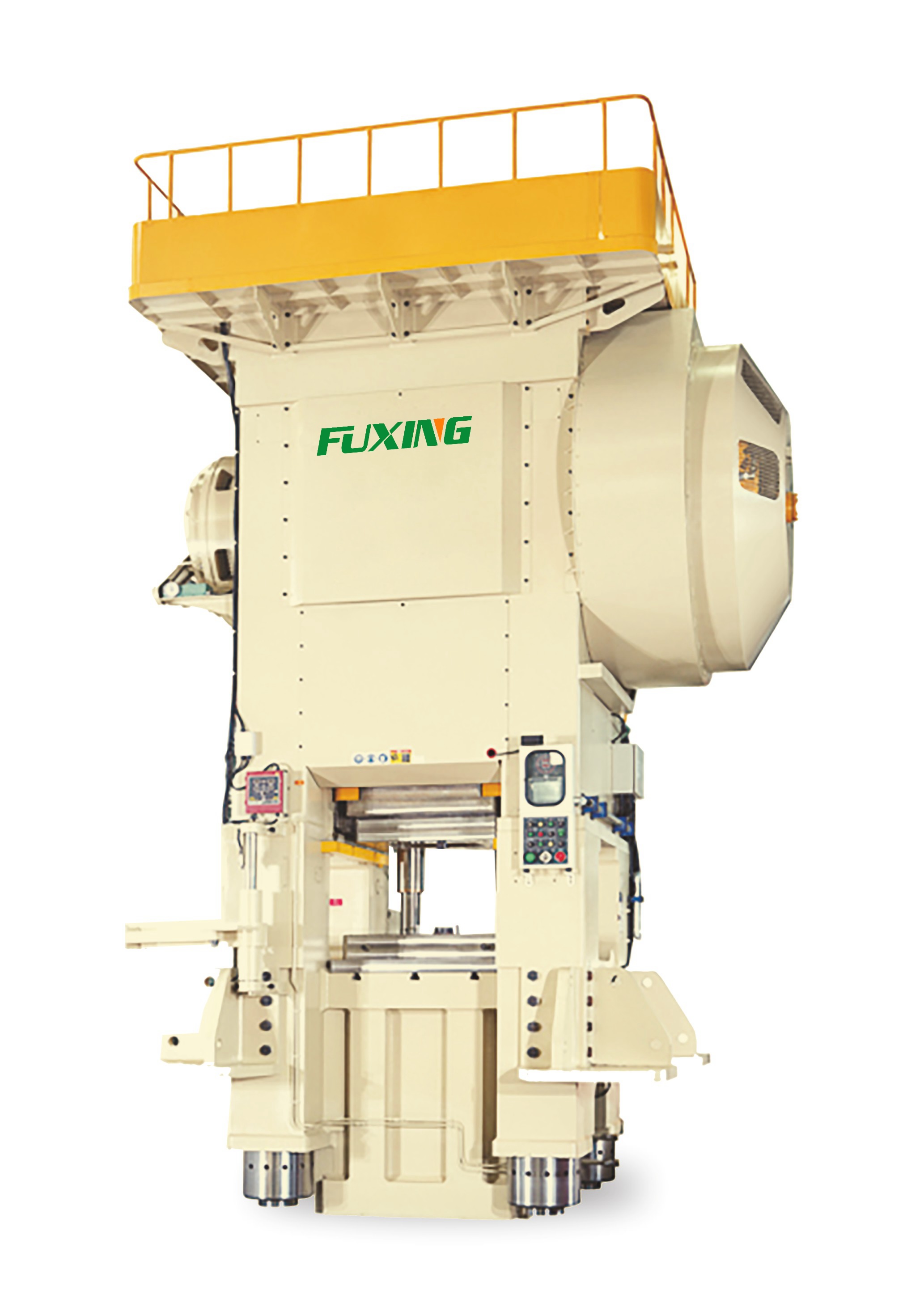
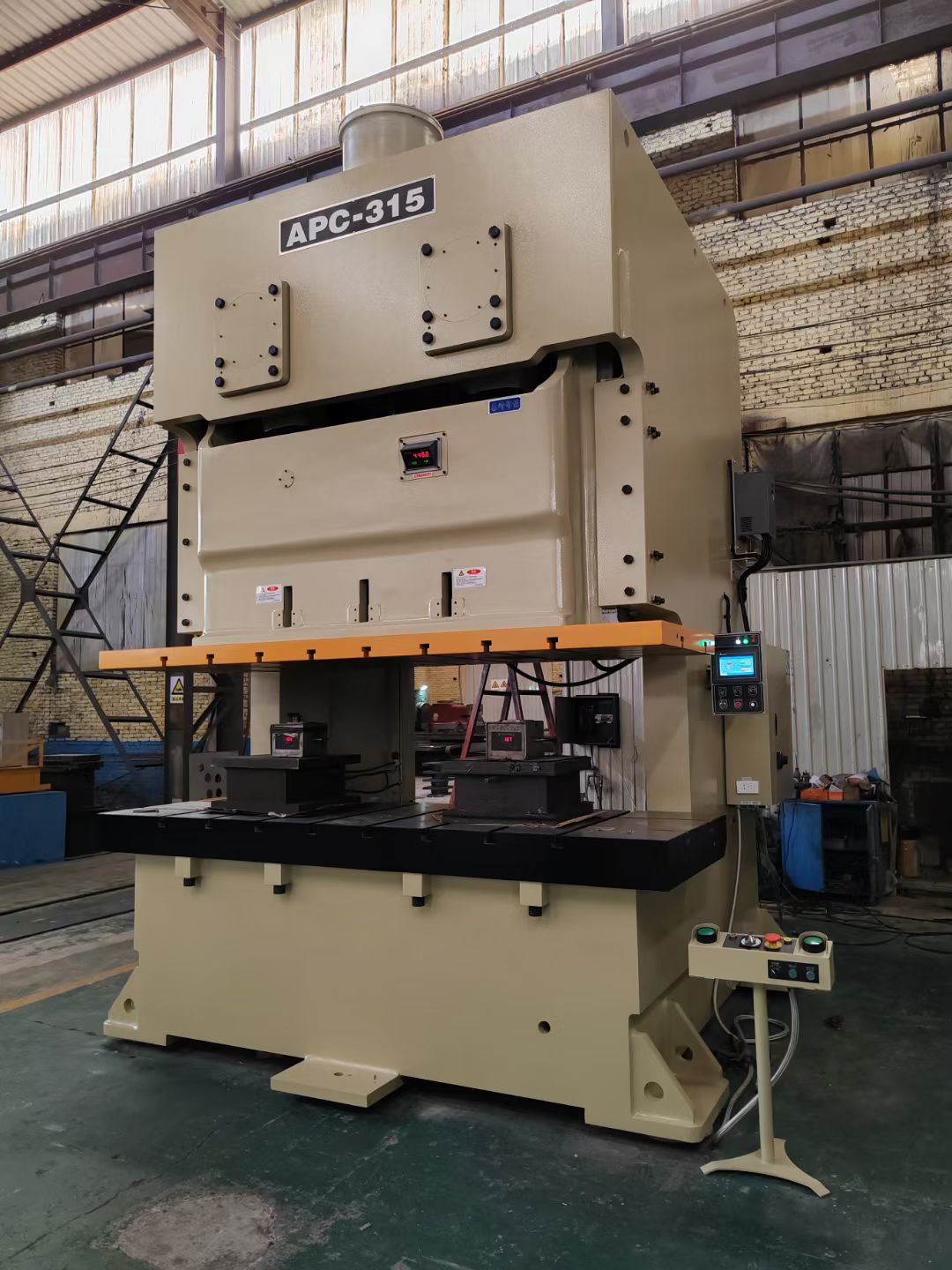
A mechanical power press uses an electric motor and a mechanical transmission system to convert rotational motion into the reciprocating movement of the slide.
Depending on the machine design, the transmission system may use a crankshaft, eccentric mechanism, or other mechanical structures. The clutch and brake systems can also vary, and some mechanical power presses use pneumatic clutches.
Therefore, pneumatic power presses and mechanical power presses are not necessarily two completely separate categories.
In everyday industrial terminology, “pneumatic power press” may emphasize the pneumatic clutch and brake system, while “mechanical power press” is often used as a broader term for mechanically driven stamping equipment.
The key is to understand the machine’s actual structure and technical configuration rather than relying on its name alone.
2. Key Differences Between Pneumatic and Mechanical Power Presses
| Comparison | Pneumatic Clutch Power Press | Mechanical Power Press with Other Clutch Configurations |
|---|---|---|
| Power source | Usually an electric motor | Usually an electric motor |
| Transmission | Mechanical drive with a pneumatic clutch and brake | Mechanical drive using a clutch and brake system determined by the design |
| Clutch and brake | Typically controlled by compressed air | Depends on the machine configuration |
| Operation and control | Can be integrated with electrical control systems | Depends on the control system |
| Automation | Suitable for integration with automatic feeders and auxiliary equipment | Can also support automation |
| Maintenance | Requires attention to air pressure, pneumatic components, clutch, and brake | Requires maintenance of the transmission, clutch, brake, and lubrication systems |
These comparisons describe common configurations, not absolute differences between every machine. Actual performance depends on the machine design, manufacturing precision, control system, and production process.
3. What Are the Advantages of a Pneumatic Clutch Power Press?
For manufacturers involved in continuous stamping and automated production, a mechanical power press with a pneumatic clutch offers several practical benefits.
1. Convenient control and automation integration
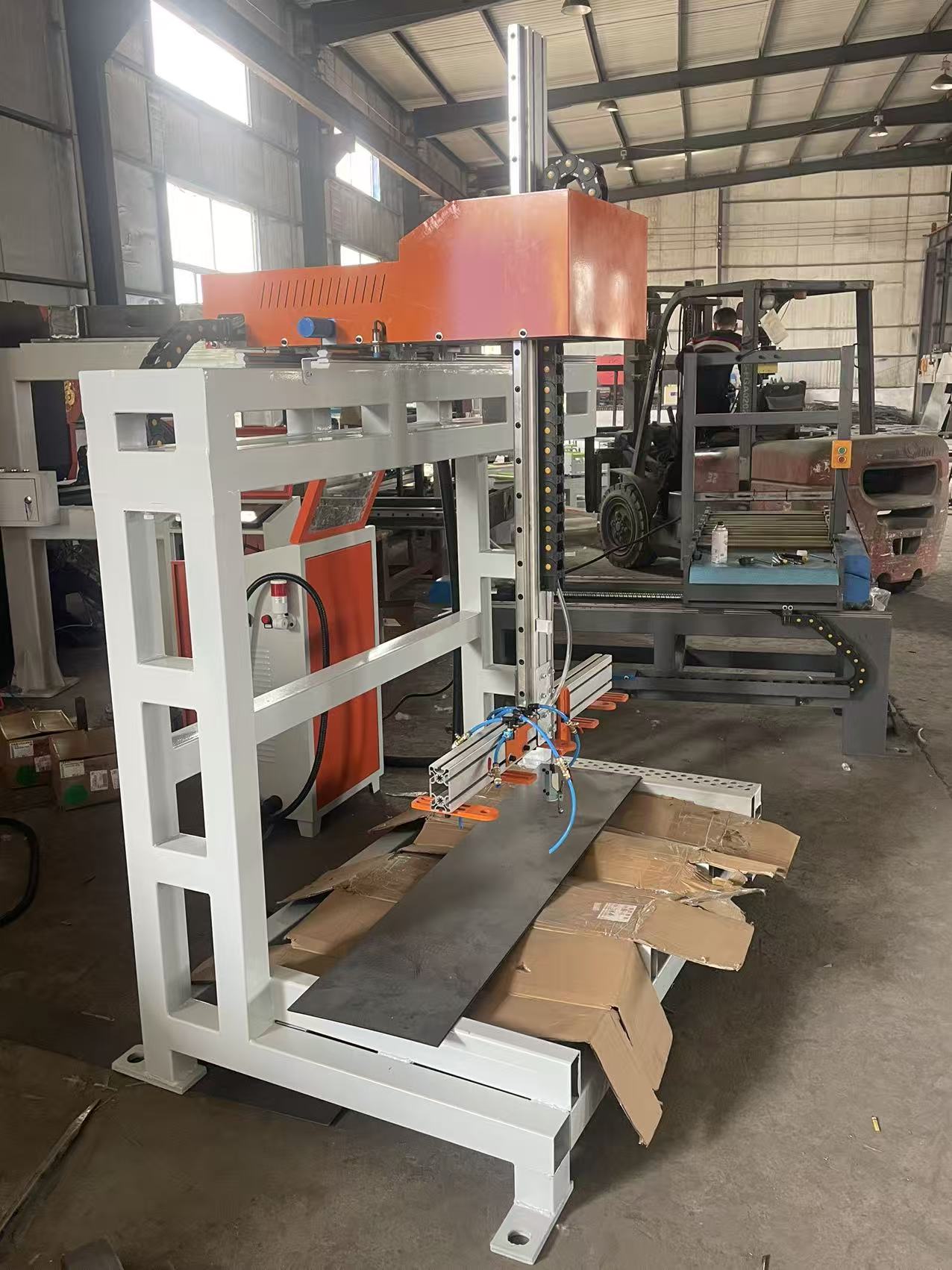
The pneumatic clutch and electrical control system can work together to support different production requirements. Depending on the configuration, the press can be integrated with automatic feeders, receiving devices, and other auxiliary equipment.
2. Suitable for a wide range of metal stamping applications
With the appropriate tonnage, stroke, die, and feeding configuration, these presses can be used to produce flat washers, hardware components, electronic parts, and other stamped metal products.
3. Supports continuous production processes
For high-volume manufacturing, integrating a press with feeding, leveling, and receiving equipment can reduce certain manual operations and create a more continuous production workflow.
Actual production efficiency still depends on material properties, die design, stamping speed, and the overall automation setup.
4. What Should You Consider When Choosing a Power Press?
Rather than comparing machine names alone, manufacturers should evaluate their actual production requirements.
Rated tonnage
Select a suitable press based on material thickness, product dimensions, die design, and required stamping force. The working force must remain within the machine’s allowable operating range.
Stroke and shut height
The slide stroke and maximum die height must match the die design and the requirements of the stamping process.
Precision and rigidity
Slide vertical accuracy, slide-to-bolster parallelism, and overall machine rigidity can affect die operation and product quality.
Production speed
Choose a suitable strokes-per-minute range according to the product, material, die design, and feeding capacity instead of focusing only on maximum speed.
Automation compatibility
If you plan to use an automatic feeder, leveling machine, or other auxiliary equipment, check the dimensions, control interfaces, and operating speeds of the complete setup.
For high-volume production, the press is only one part of the stamping system. The die, feeding method, and production process also play important roles in overall efficiency and product quality.
5. How Can You Choose the Right Press for Your Production?
No single press is suitable for every application. The right choice starts with a clear understanding of the product and manufacturing process.
Fuxing Machinery specializes in manufacturing pneumatic clutch power presses, offering a range of machine models and configurations. We help customers evaluate suitable presses and related stamping equipment according to their product characteristics and production requirements.
Whether you need a single press or a more complete metal stamping setup involving feeding equipment, dies, and other auxiliary systems, the selection process should begin with practical details such as product dimensions, material thickness, required tonnage, and expected production volume.
From a single press to a complete metal stamping solution.
Planning a new stamping line or looking to improve automation in your existing production process? Share your product images, material specifications, and production targets with us so we can help evaluate a suitable equipment configuration.