Welcome to Shandong Fuxing Machinery Co., Ltd.
Metal Sheet Punching Guide
This guide is designed to help sheet metal workshops, stamping factories, and end manufacturers understand the equipment required for metal sheet punching, focusing on punching press selection logic and die configuration. It is suitable for direct use on a company website and as a reference for customer decision-making.
1. Key Parameters to Define Before Metal Sheet Punching
Before starting any metal sheet punching process, clearly defining the following parameters will help you select the right punching press and tooling solution, while avoiding under-specification or unnecessary overinvestment.
Material Type
Carbon steel, stainless steel, aluminum, copper, etc. Different materials have different hardness levels, which directly affect required press tonnage and die material.Material Thickness (mm)
Common range: 0.5–25 mm. Thicker materials require higher punching force.Hole Type and Size
Round holes (diameter), slots / oval holes (length × width), square holes, or irregular shapes. Consider burr requirements and dimensional tolerance (e.g. ±0.1 mm).Hole Pitch and Layout
Single holes, repeated hole patterns, slot arrays, or continuous feeding operations (requiring feeders or progressive dies).Production Capacity
Required output per minute or per shift, which determines whether high-speed presses, automatic feeding systems, or turret presses are needed.Accuracy and Surface Requirements
Whether secondary processes such as deburring or forming are required, or if parts must be finished directly after punching.Workpiece Size
Overall length and width of the sheet, and whether dedicated fixtures or positioning devices are required.
2. Common Punching Press Types and Application Scenarios
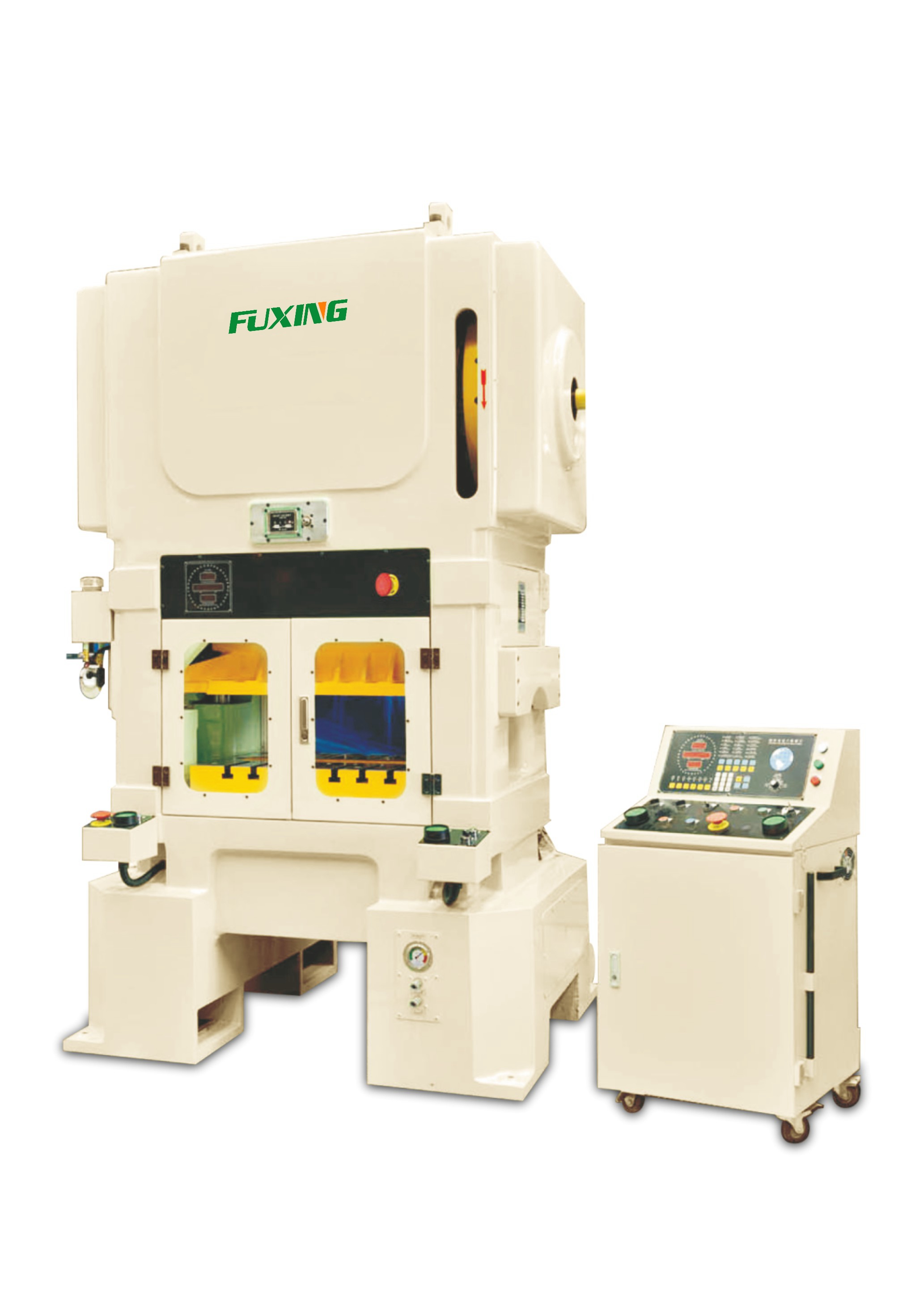
Different press structures are suitable for different material thicknesses, hole complexities, and production rhythms. Below is an overview of commonly used punching press types.
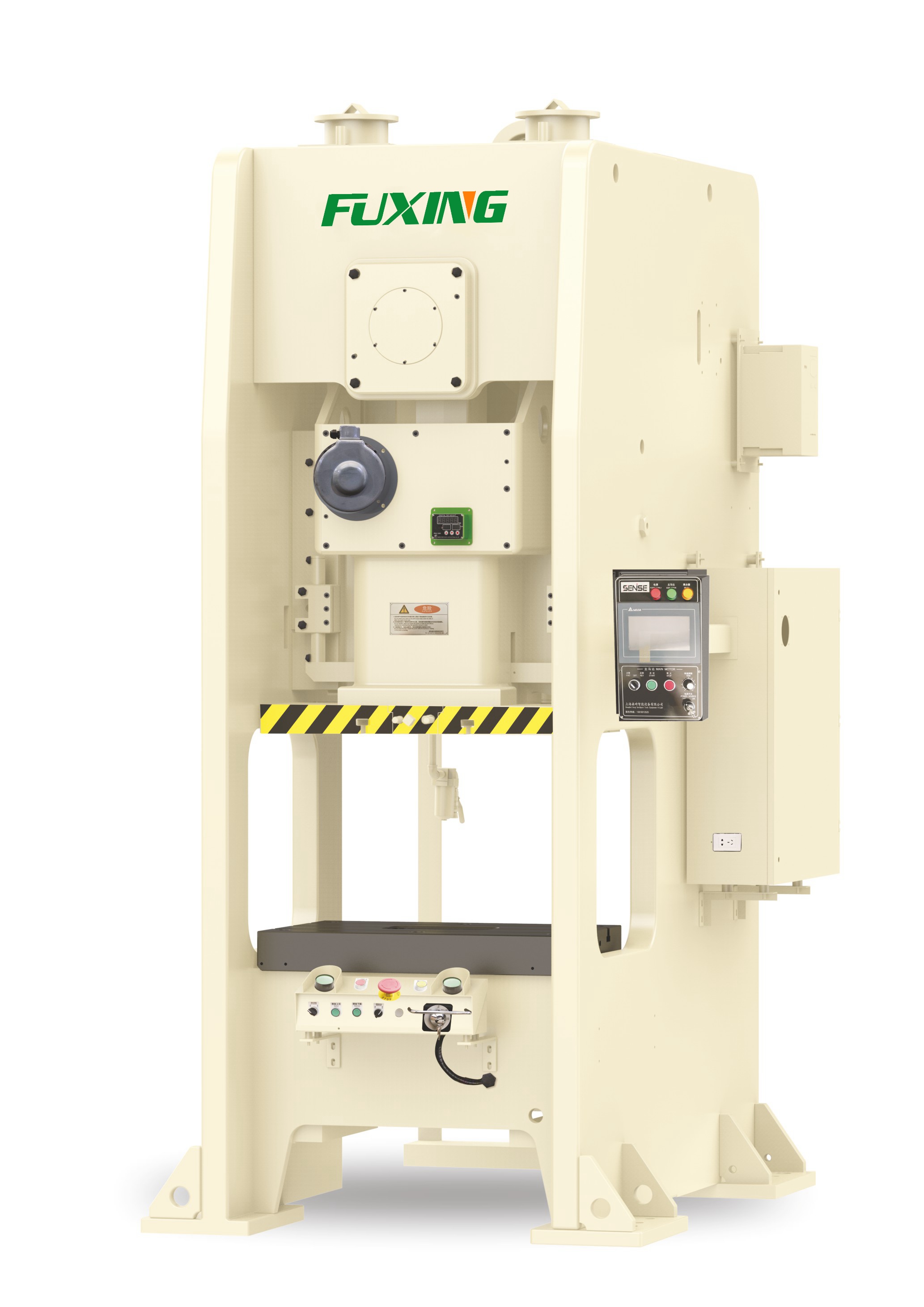
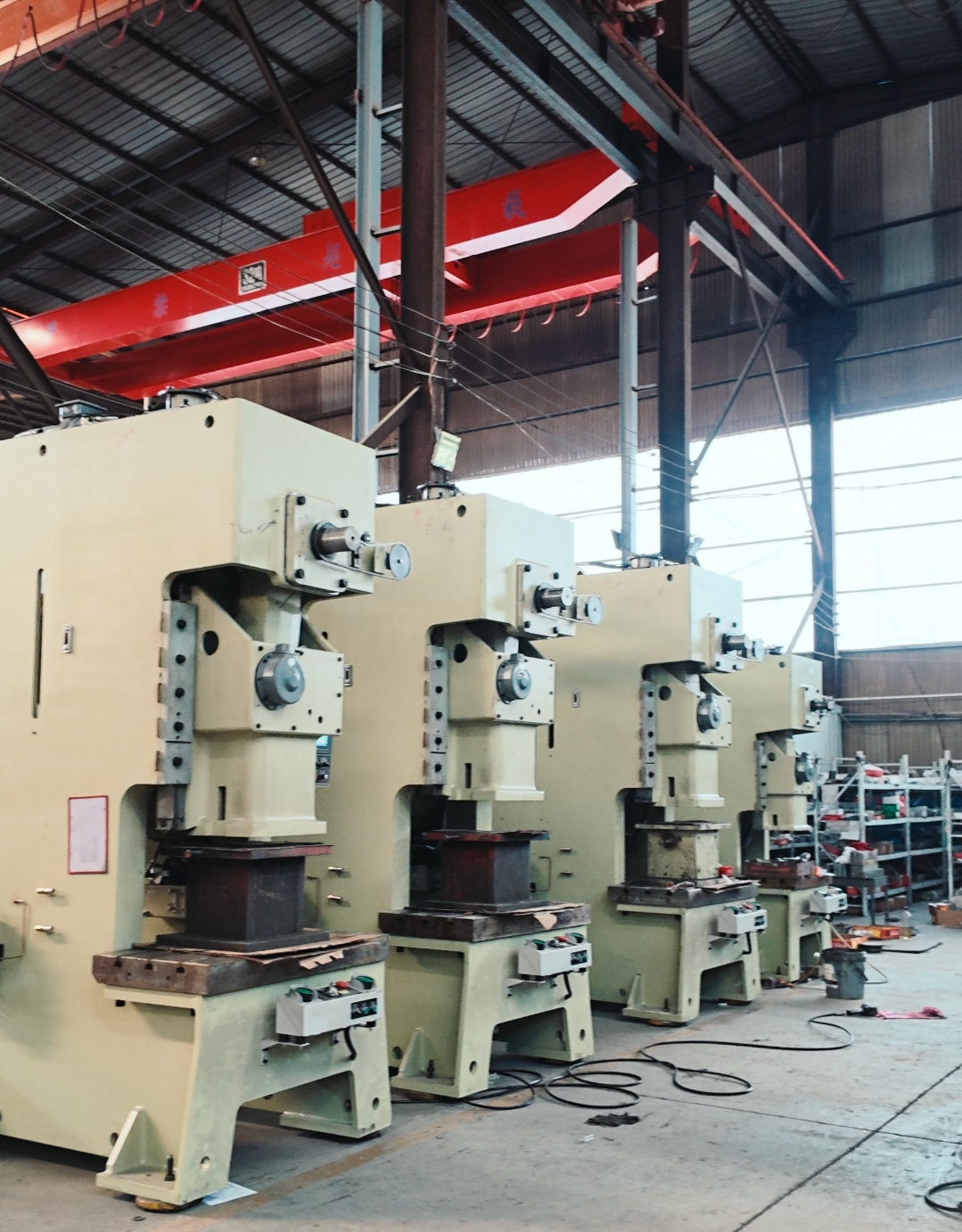
2.1 C-Frame Single-Crank Pneumatic / Mechanical Press
Structural Features
C-frame presses have an open-front design, allowing easy operation and material loading. They are compact and require relatively little floor space.
Typical Applications
Thin to medium sheet metal (approx. 0.5–6 mm)
Round holes, simple slots, square holes, blanking, shallow forming
Small to medium batch production or frequent die changes
Advantages
High cost-performance ratio
Easy die change and maintenance
Fast response speed for pneumatic versions
Limitations
Limited resistance to eccentric loading
Not suitable for very thick materials or large hole diameters
Long-term off-center punching may affect frame accuracy
2.2 H-Frame Press (High Rigidity, High Precision)
Structural Features
H-frame presses use dual or four-column symmetric structures, offering excellent rigidity and uniform force distribution. Slide guiding length is significantly greater than that of C-frame presses.
Typical Applications
Medium to thick plates (3–25 mm, depending on tonnage)
Large holes or multiple holes punched simultaneously
High-precision, high-stability continuous production
Progressive and compound die applications
Advantages
Extremely high structural rigidity
Strong resistance to eccentric loads
Consistent hole quality and longer die life
Ideal for automation and unmanned production lines
Limitations
Higher machine cost and larger installation footprint
Longer setup and die change time
Higher requirements for foundation and installation
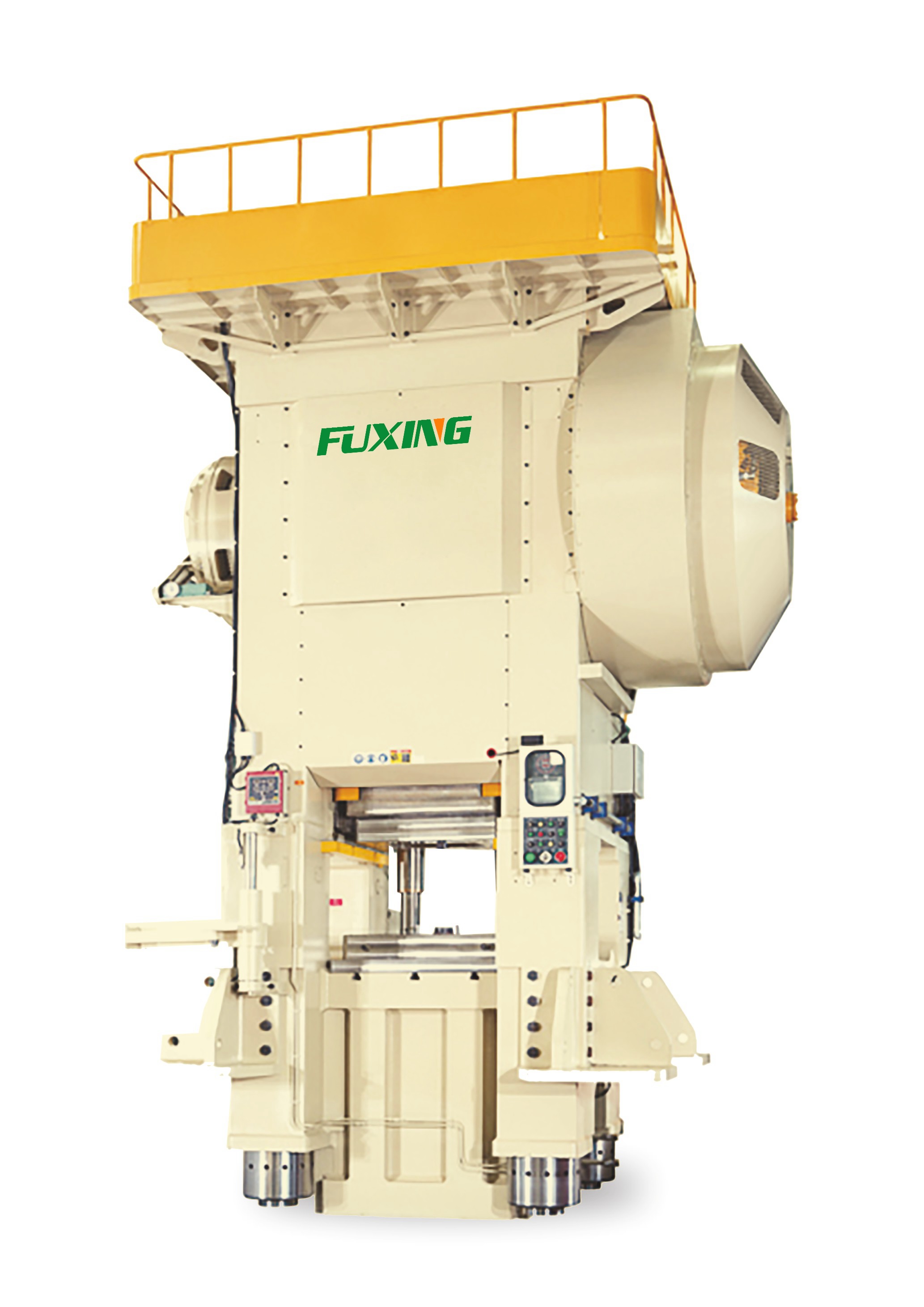
2.3 Single-Arm / Double-Arm Hydraulic Press
Structural Features
Punching force is generated by a hydraulic system, with adjustable stroke and pressure for smooth punching action.
Typical Applications
Thick plates (>6 mm) or high-strength steel materials
Large-diameter hole punching, blanking, forming
Low-speed operations requiring high punching force
Advantages
High and stable punching force
Flexible control of stroke and pressure
Reduced impact on tooling during heavy-duty operations
Limitations
Slower cycle speed compared to mechanical presses
Higher energy consumption
Increased maintenance requirements for hydraulic systems
2.4 Turret Punch Press
Structural Features
Equipped with multiple tooling stations in a rotating turret, combined with CNC control and automatic feeding for continuous punching operations.
Typical Applications
Multiple hole types and complex layouts
Thin to medium sheet metal (generally ≤6 mm)
High-volume, standardized production
Advantages
High automation level with reduced labor input
Multiple hole shapes available without frequent die changes
High overall productivity
Limitations
High initial investment cost
Expensive turret tooling and maintenance
High requirements for sheet flatness
Not suitable for thick plates or high-tonnage applications
2.5 CNC Punching Machines / Laser Cutting (Supplementary Solutions)
CNC Punching Machines – Advantages
Flexible programming and layout
Suitable for small to medium batch production with multiple part variations
CNC Punching Machines – Limitations
Lower speed compared to high-speed mechanical presses
Limited capability for thick materials
Higher equipment cost than conventional presses
Laser Cutting – Advantages
Capable of complex and irregular shapes
No tooling cost, ideal for prototyping and small batches
Laser Cutting – Limitations
High cost per hole, not suitable for mass production
Slower than punching for repetitive holes
High energy consumption for thick plates
Heat-affected zones may require secondary processing
3. Press Selection Based on Hole Type and Material
Thin sheets (≤3 mm) with standard round holes (≤25 mm): C-frame pneumatic or mechanical press, typically 5–50 tons depending on material.
Medium-thick sheets (3–12 mm), large holes or multiple-hole layouts: Hydraulic presses or larger mechanical presses, typically 50–200 tons.
Thick plates (>12 mm) or high-strength materials: Heavy-duty hydraulic or special mechanical presses, 200 tons or higher, calculated based on shear area.
High precision or small hole diameters: Prefer H-frame presses combined with precision tooling.
High-speed production lines or complex parts: Turret presses or presses with automatic feeding and progressive dies.
4. Key Considerations for Punching Die Selection
Die Types: Single-operation dies, compound dies, and progressive dies.
Die Materials: Common tool steels such as D2, SKD11, and H13, selected based on production volume and material type.
Clearance and Guiding: Proper punch-to-die clearance and guide systems are critical for hole quality and repeatability.
Cutting Edge Grinding and Heat Treatment: Directly affect edge quality and die service life.
Die Maintenance: Regular cleaning, lubrication, rust prevention, and regrinding are essential.
5. Required Accessories and Consumables for Punching Operations
Punches and die sets
Positioning fixtures and locating pins
Lubrication systems (manual or automatic)
Pressure plates, sheet supports, and slug ejectors
Safety devices (guards, light curtains, emergency stops)
Die maintenance tools and common spare parts
6. Key Technical Parameters to Consider When Selecting a Punching Press
Rated punching capacity (tonnage)
Slide stroke and adjustment range
Stroke rate (SPM)
Slide guiding method and guiding length
Bolster and table dimensions
Shut height and safety clearance
Motor, pneumatic, or hydraulic system specifications
Compatibility with automatic feeding and progressive dies
Control system (PLC, HMI, foot pedal / manual control)
Safety devices and applicable standards
Why Choose Fuxing Machinery
Fuxing Machinery is a professional punching press manufacturer based in China, specializing in pneumatic presses, mechanical presses, and complete metal forming solutions. We provide reliable, efficient, and sustainable stamping equipment for customers worldwide.
For punching press selection, tooling customization, or complete production line solutions, please visit our official website:
https://www.fuxingmachinery.com
Our engineering team is ready to support you with professional recommendations based on your material, hole type, and production requirements.