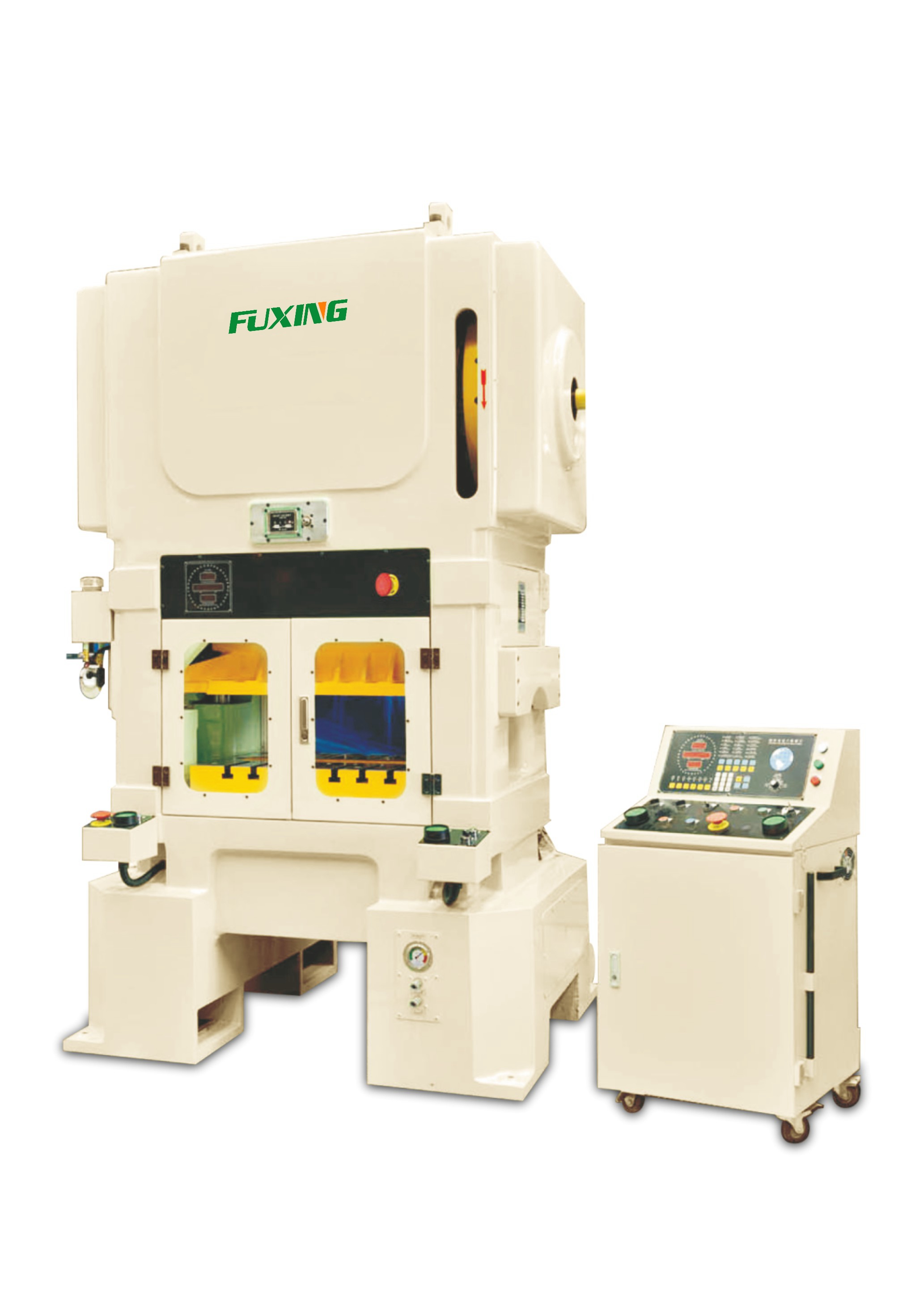
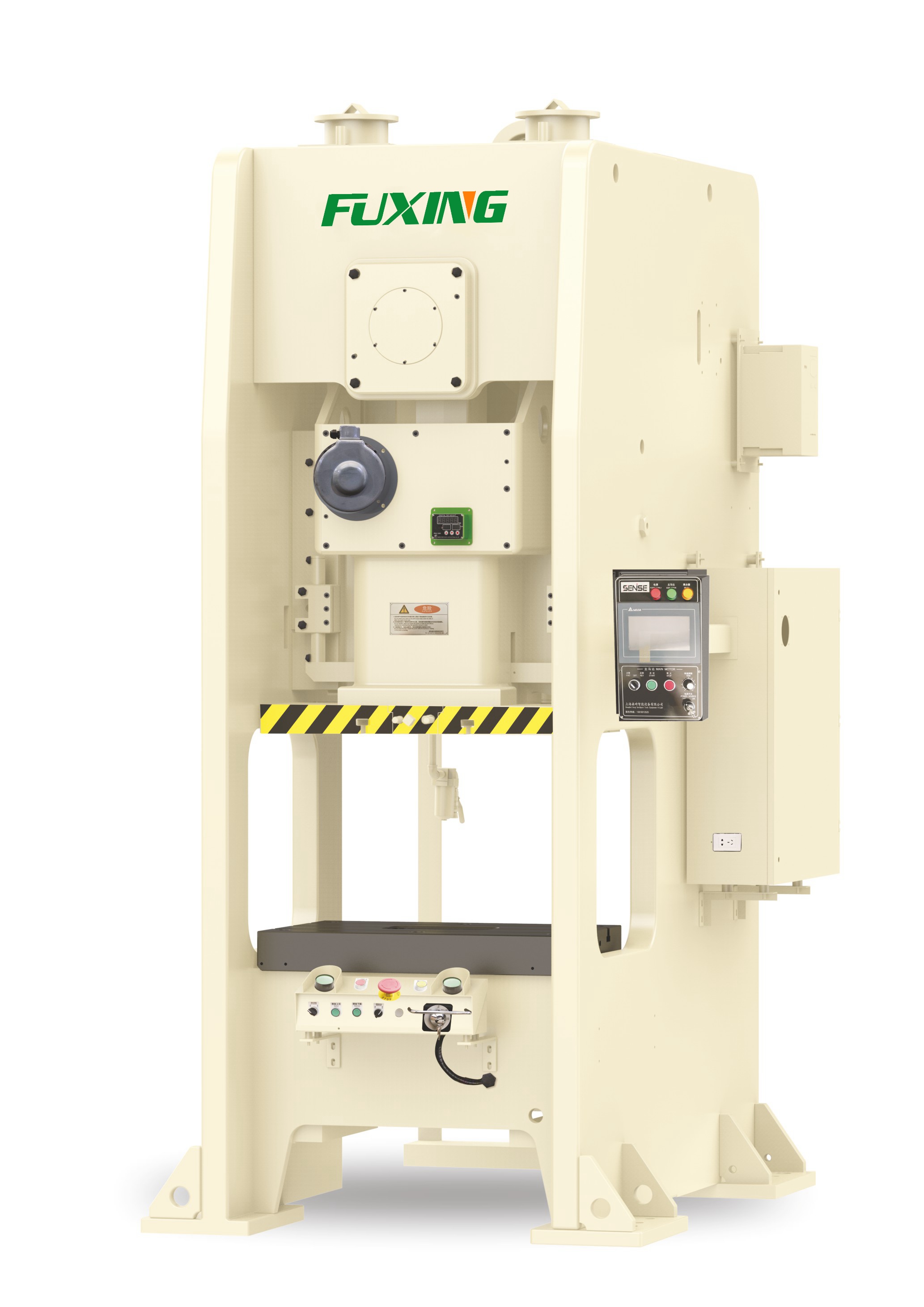
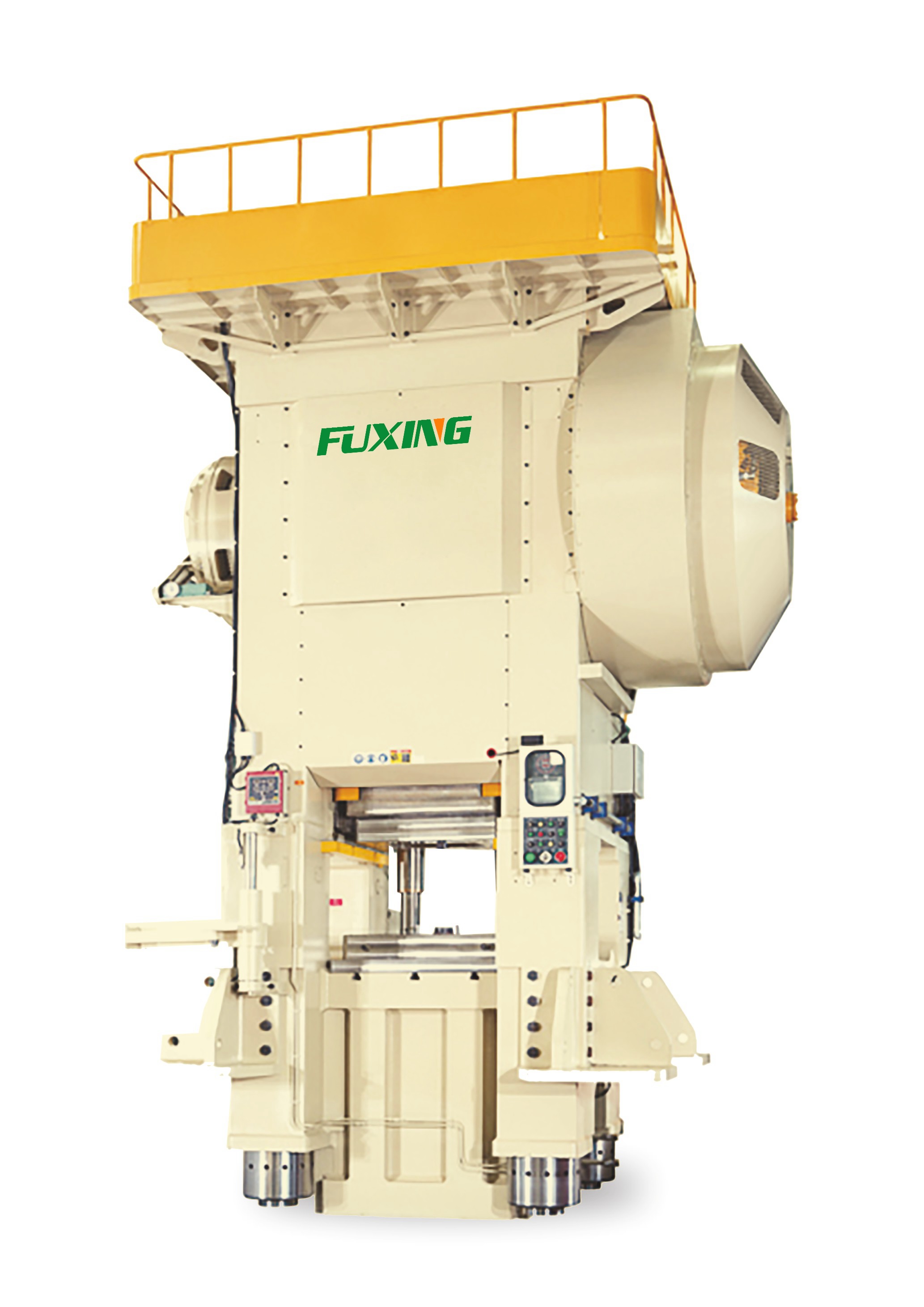
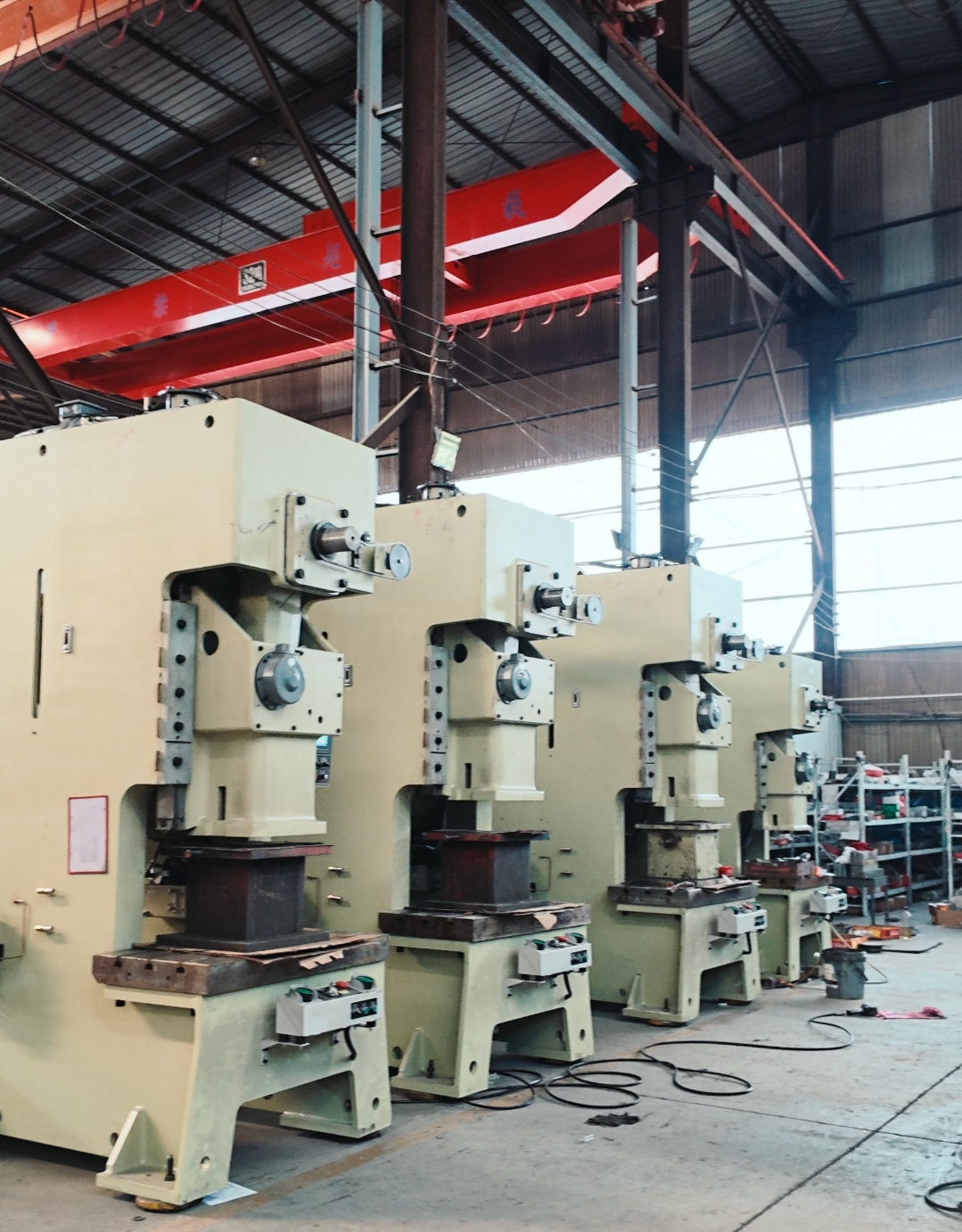
Welcome to Shandong Fuxing Machinery Co., Ltd.
How to Choose the Right Press Machine for Your Factory — A Must-Read Guide for Purchasers
Selecting the right press machine is critical for any metal forming factory. The correct press not only improves production efficiency and reduces costs, but also ensures product consistency and minimizes downtime. However, with numerous models, tonnages, and structures available, many buyers often struggle to know where to start.
This guide helps you quickly determine which press machine is best suited for your factory based on practical production requirements.
1. Identify Your Production Needs
Before purchasing, consider the following key questions:
Material Type
Carbon Steel → medium tonnage, standard speed
Stainless Steel → harder material → requires higher tonnage
Aluminum → softer material → can choose a high-speed press
Material Thickness → thicker materials require higher tonnage
Workpiece Size & Complexity
Large workpieces → require a larger worktable and higher rigidity
Complex workpieces → may require precision stamping or progressive dies
Production Volume
High-volume → choose a high-speed press
Medium/low-volume or mixed production → standard C-frame press is sufficient
2. Choose the Press Structure
C-Frame Press (Open-Frame)
Advantages: large working space, lower cost, suitable for general stamping
Disadvantages: lower rigidity, not suitable for heavy-duty or high-precision stamping
H-Frame Press (Straight-Side)
Advantages: high rigidity and stability, suitable for deep drawing, large dies, and precision stamping, minimal deformation under heavy load
Disadvantages: higher cost, larger footprint
3. Determine the Required Tonnage (Fuxing Support)
Tonnage is a core factor in press selection. Consider material thickness, tensile strength, cut perimeter, and forming depth.
Insufficient tonnage → overload, damage to clutch, crank, and frame; potential safety risks
Excessive tonnage → higher cost, increased energy consumption, reduced slide sensitivity, not ideal for precision stamping
Recommendation: Provide workpiece drawings to engineers for professional tonnage calculation.
⭐ Fuxing Machinery Professional Support
Free tonnage calculation
2–3 alternative press solutions for comparison
Analysis of energy consumption, output, and cost-performance
👉 www.fuxingmachinery.com
4. Stroke and Speed Selection
Stroke Length: longer strokes → suitable for deep drawing; shorter strokes → suitable for high-speed stamping
Strokes per Minute (SPM): higher SPM → higher productivity, die design must match the press speed
5. Worktable Size, Shut Height, and Throat Depth
Geometric compatibility is key to whether dies can be installed and used properly:
Worktable Size (Bolster Size): determines if dies can fit; accommodates progressive or compound dies
Distance Between Columns: limits die width; affects feeding direction
Slide Area: determines upper die size and die layout stability
Die Height / Shut Height: ensures dies can close properly
Slide Adjustment Range: adapts to different die heights, reducing die modification costs
Throat Depth (for C-Frame): determines if workpieces can enter the stamping area; accommodates large or offset parts
6. Safety and Automation Options
Modern presses can be equipped with:
Photoelectric safety devices
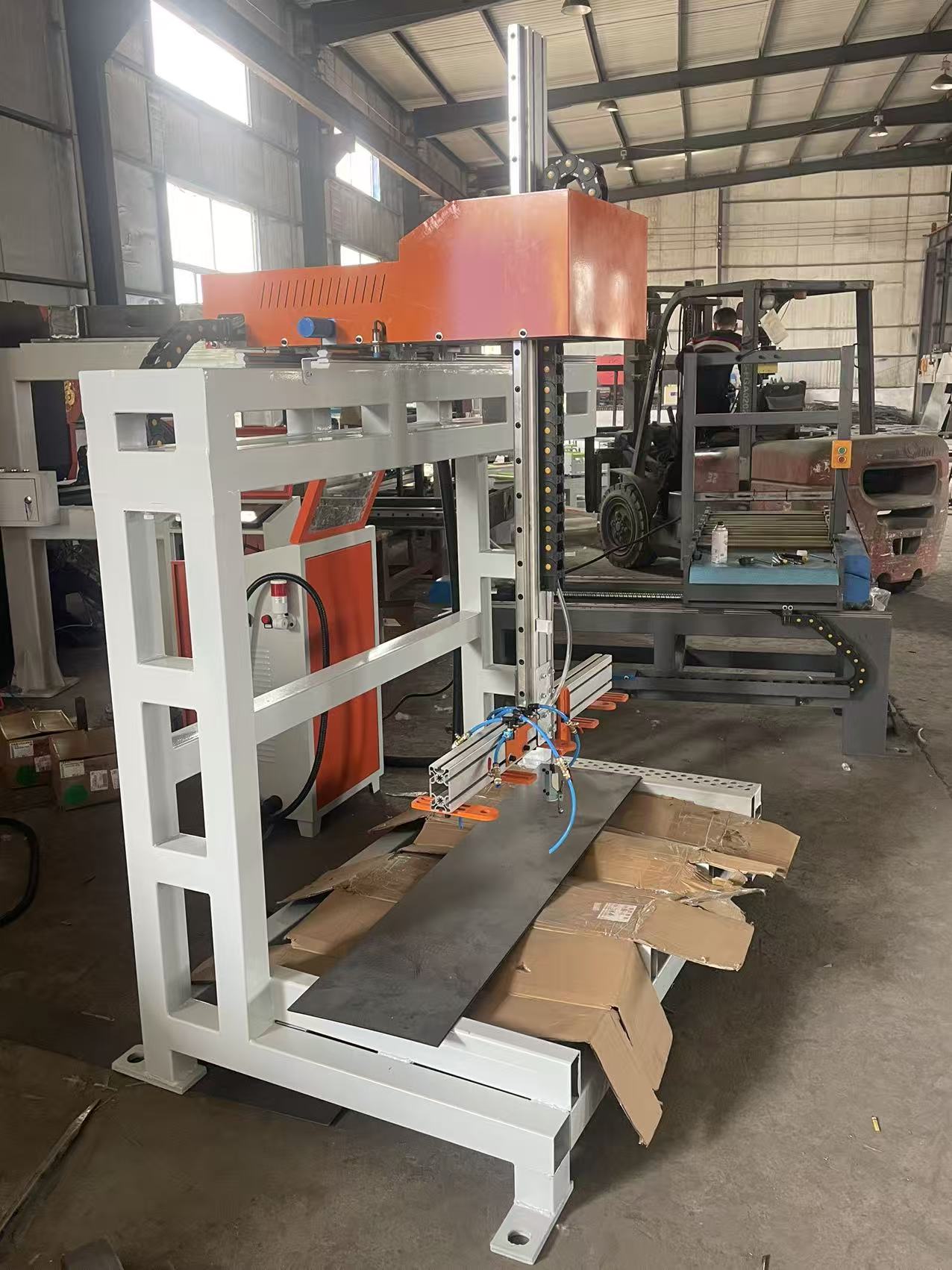
Automatic feeders
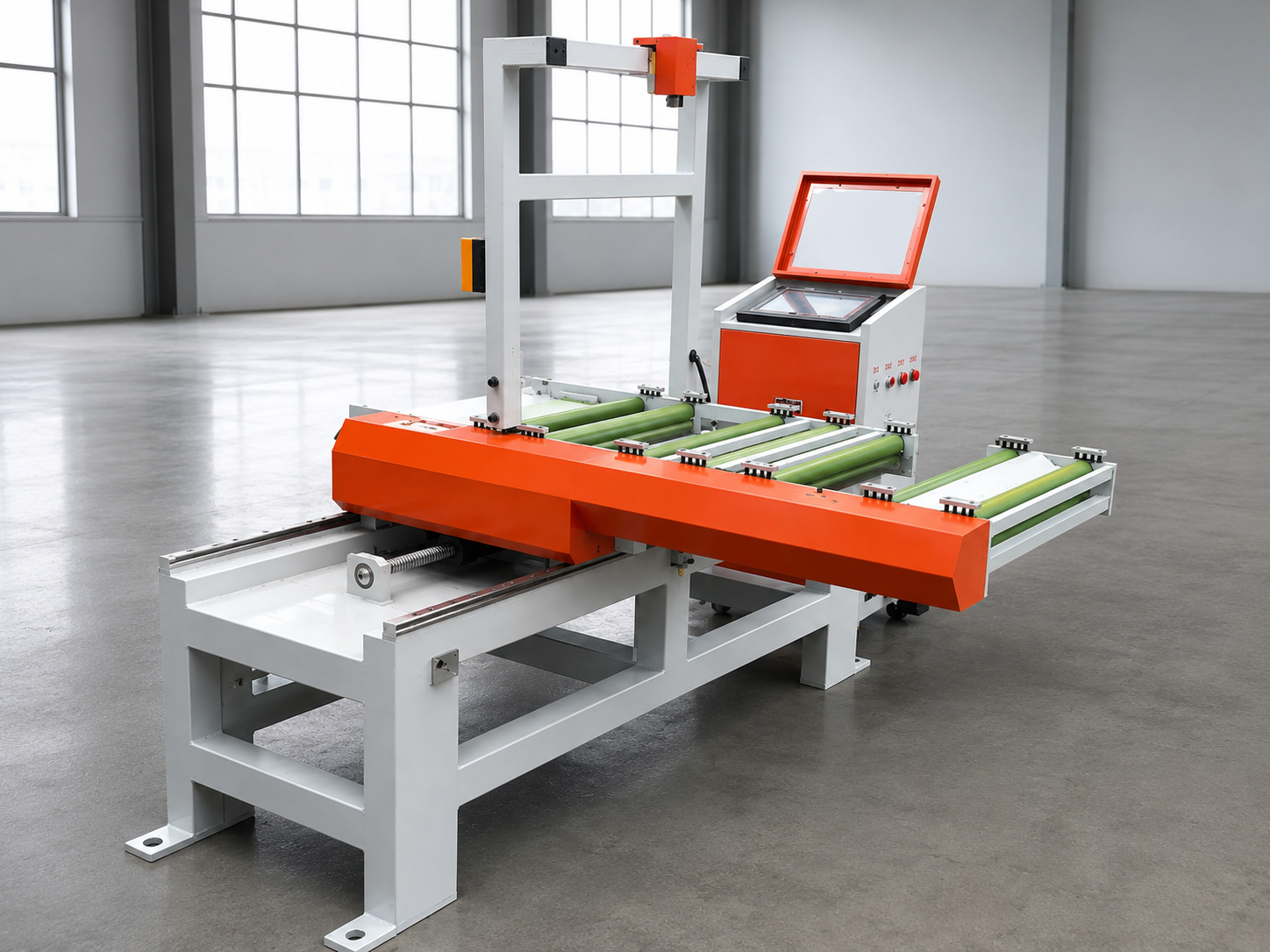
Leveling machines
Decoilers
Misfeed detection
Overload protection
Pressure/tonnage monitoring systems
These features improve safety, product consistency, and reduce labor costs.
7. After-Sales Service
A reliable supplier should provide:
Complete documentation and drawings
Supply of wear parts
Installation and commissioning guidance
Warranty
Remote or on-site support
As presses are long-term assets, after-sales service is essential.
8. Budget and ROI
Price is not the only consideration. Focus on long-term benefits:
Daily output
Energy consumption
Maintenance costs
Precision retention
Failure rate
High-quality presses often yield higher returns in the long run.
9. Choose a Trusted Manufacturer
Recommended: Fuxing Machinery
Leading Chinese manufacturer of pneumatic press machines
Provides complete metal forming solutions and stamping production lines
Supports customization and overseas customer service
Conclusion
Selecting the right press requires considering:
Material type and thickness
Production volume
Press tonnage and structure
Worktable size, shut height, throat depth
Stroke and SPM
Automation options
Budget and supplier capabilities
By understanding these key points, you can quickly identify the most suitable press for your factory, enhancing production efficiency and maximizing ROI.