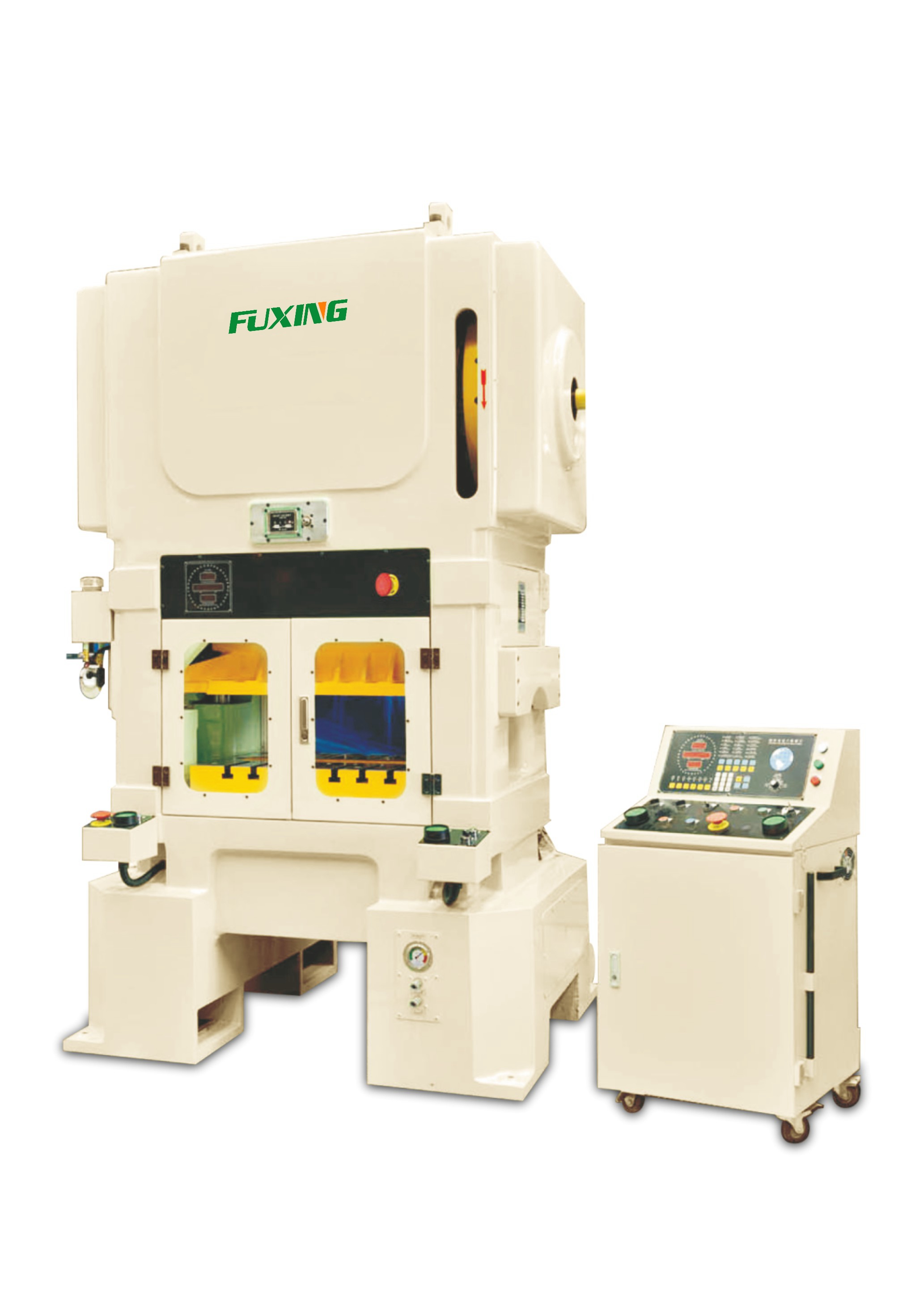
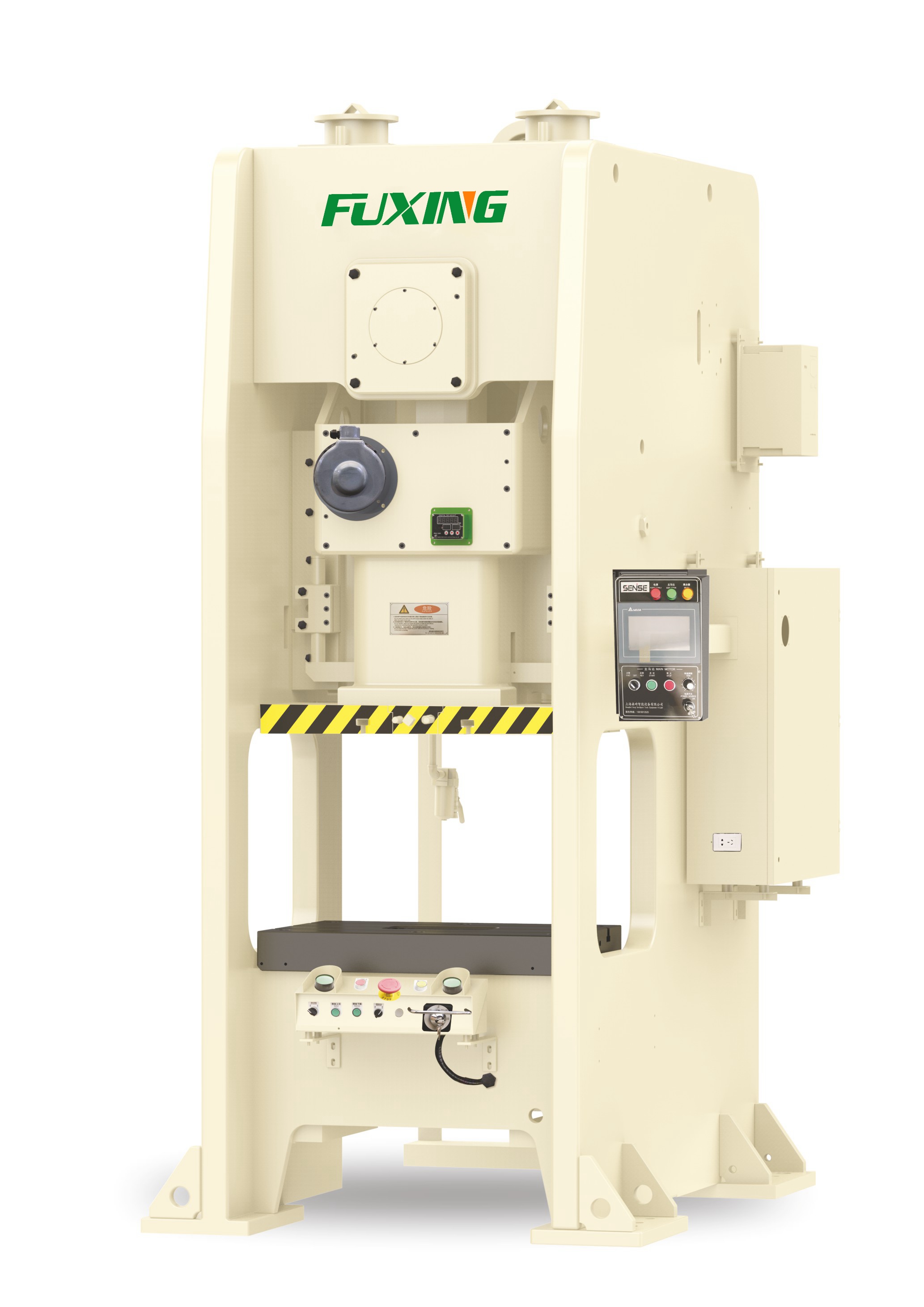
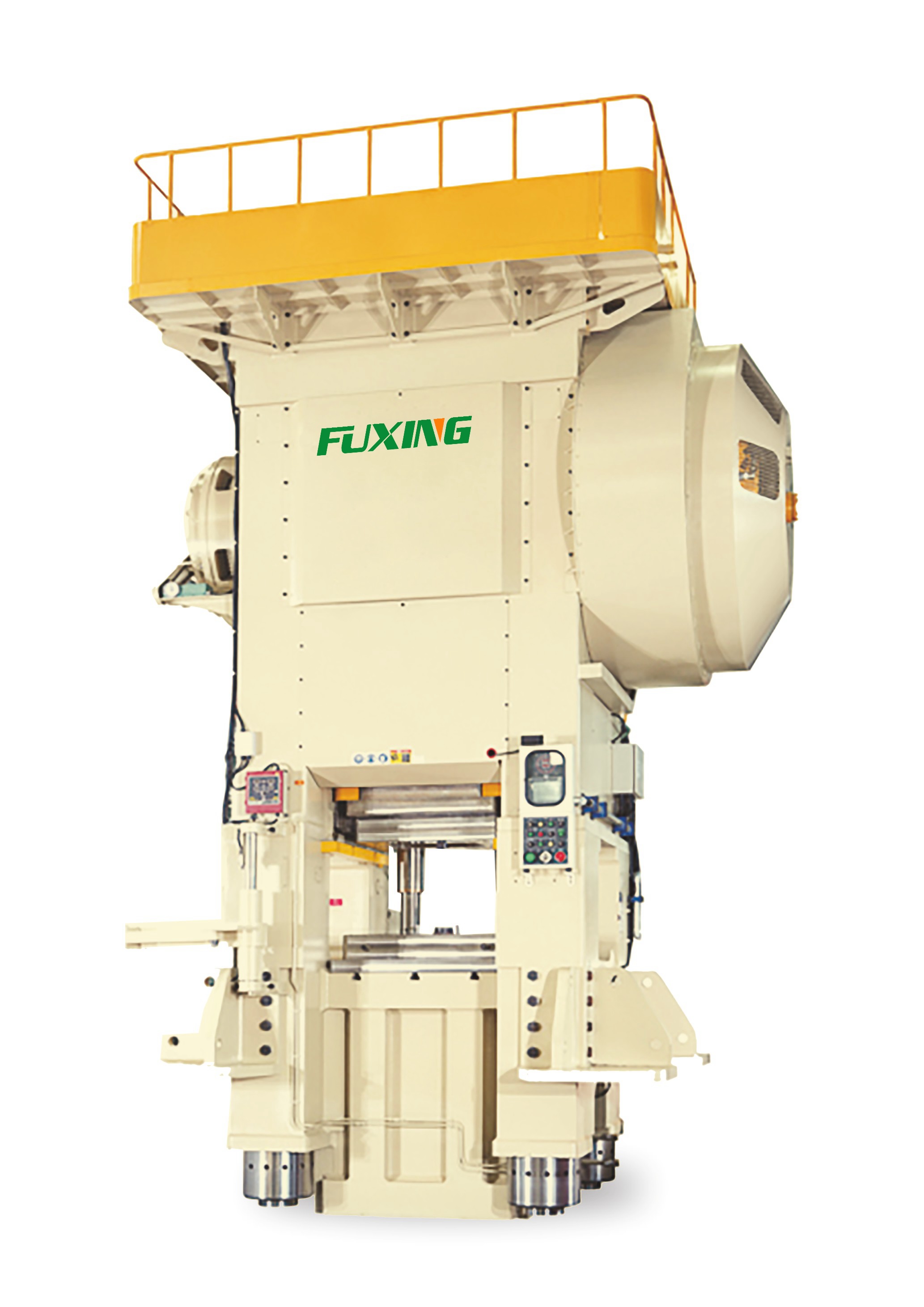
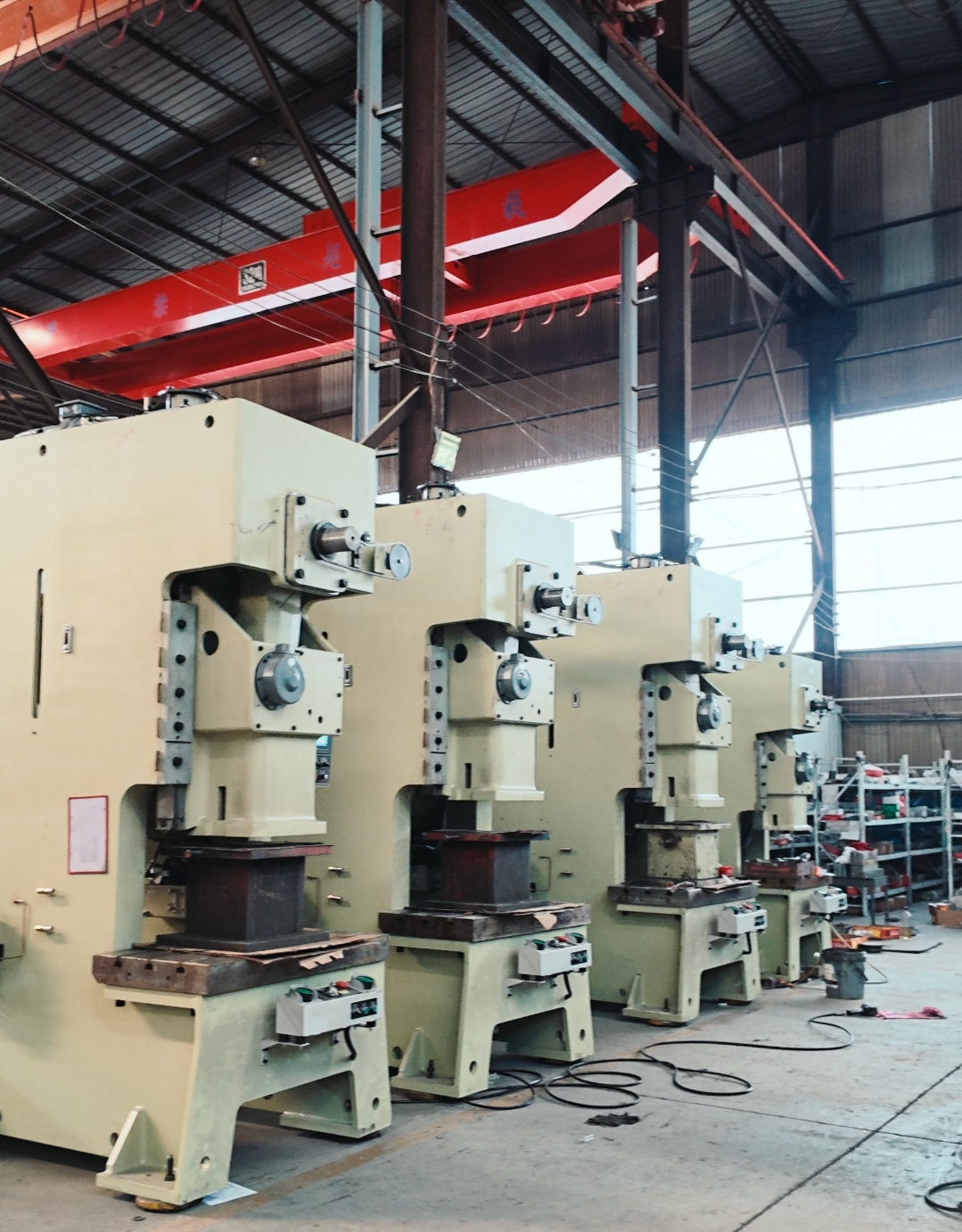
Welcome to Shandong Fuxing Machinery Co., Ltd.
How Does Throat Depth Affect a Power Press? Understanding the Importance of Throat Depth in Stamping
In the metal stamping industry, many customers focus mainly on parameters such as tonnage, stroke, and speed when purchasing a power press, while often overlooking another extremely important structural parameter — throat depth.
In reality, throat depth not only affects the working range of the press, but also directly influences:
Frame rigidity
Stamping accuracy
Die installation space
Workpiece processing capability
Overall machine stability
Especially in large sheet metal processing, automated feeding systems, and high-precision stamping applications, the throat depth design often determines the overall performance of a power press.
So, what exactly is throat depth? Is a larger throat depth always better? And how should different applications choose the appropriate throat depth?
This article will provide a comprehensive explanation of how throat depth affects power press performance.
What Is Power Press Throat Depth?
Power press throat depth refers to:
The horizontal distance from the centerline of the slide (ram) to the back wall of the press frame.
Simply put:
It is the “depth” inside the open area of a C-frame press.
The unit is usually measured in:
Millimeters (mm)
For example:
250 mm throat depth
300 mm throat depth
500 mm deep-throat design
Why Is Throat Depth Important?
Throat depth directly determines:
How far a workpiece can extend into the machine frame
The available die installation space
The maximum workable sheet width
The capability of automated feeding systems
It is especially important in industries such as:
Automotive components
Home appliance sheet metal
Electrical cabinet manufacturing
Hardware stamping
Progressive die production lines
Larger Throat Depth Means Larger Working Range
This is the most direct effect of throat depth.
If the throat depth is too small:
Large sheets cannot extend deeply into the machine
Die arrangement becomes limited
Workpiece operating space is restricted
A larger throat depth allows:
Processing of wider sheet materials
Greater flexibility for die installation
Easier operation of automatic feeding systems
For example:
In progressive die production, a larger throat depth allows the feeder to deliver materials more smoothly, improving automation efficiency.
Throat Depth Also Affects Frame Rigidity
Many people assume:
“The larger the throat depth, the better.”
However, this is not always true.
Because:
A larger throat depth means a longer cantilever section of the frame.
This can lead to:
Increased frame deformation
Greater stamping vibration
Reduced frame rigidity
Especially during high-tonnage stamping operations, insufficient rigidity may cause:
Die misalignment
Product dimensional errors
Faster die wear
Reduced stamping accuracy
Therefore:
Deep-throat presses require much higher structural design standards.
Why Are Deep-Throat Presses More Expensive?
Deep-throat presses are usually more expensive for several reasons.
1. More Complex Frame Structure
To maintain rigidity, manufacturers must use:
Thicker steel plates
Reinforced rib structures
High-strength welding technology
2. Higher Manufacturing Precision Requirements
Deep-throat structures are more prone to deformation, requiring:
Higher machining precision
Stricter heat treatment
More accurate assembly processes
3. Higher Vibration Reduction Requirements
Deep-throat frames are more likely to generate vibration during high-speed operation. Therefore, the following systems require additional optimization:
Flywheel system
Balancing system
Vibration damping design
The Effect of Throat Depth on Stamping Accuracy
The larger the throat depth:
The more likely the center area of the frame will experience slight elastic deformation.
This affects:
Die clearance stability
Product dimensional consistency
Stamping flatness
This is especially critical for:
Precision electronic stamping
High-speed progressive dies
Precision hardware components
Therefore:
High-precision presses usually adopt:
High-rigidity frames
Finite element structural optimization
Reinforced machine bodies
to reduce deformation caused by deep-throat designs.
How to Choose the Right Throat Depth for Different Industries
Small Hardware Parts Processing
Recommended:
200–250 mm
Advantages:
Better rigidity
Lower cost
Stable precision
Home Appliance Sheet Metal Processing
Recommended:
300–400 mm
Benefits:
Easier large sheet processing
Better compatibility with automatic feeders
Automotive Parts Stamping
Recommended:
Above 400 mm
Suitable for:
Progressive dies
Large workpieces
Automated production lines
Future Trends of Deep-Throat Power Presses
With the increasing demand for automation and larger production capacities, more manufacturers are adopting:
Deep-throat high-precision presses
Large throat depth high-speed presses
Automated stamping production lines
At the same time, the market is demanding:
Higher rigidity
Lower deformation
Greater stability
Therefore, excellent press manufacturers not only increase throat depth but also focus on improving overall structural strength.
Why More Customers Choose Fuxing Machinery
As a professional Chinese power press manufacturer, Fuxing Machinery specializes in:
High-precision pneumatic power presses
Deep-throat press machines
Automated stamping production lines
Complete metal forming solutions
Fuxing Machinery has extensive experience in deep-throat press design.
Key advantages of Fuxing Machinery products include:
High-rigidity frame structures
Optimized throat depth design
Low-vibration operation
High-precision stamping performance
Compatibility with automatic feeding systems
Suitable for progressive die production
Their products are widely used in:
Automotive components
Home appliance sheet metal
Hardware manufacturing
Electrical industries
Automated stamping factories
Especially in large sheet processing and automated stamping applications, Fuxing Machinery deep-throat presses are increasingly recognized by overseas customers.
Conclusion
Although throat depth is only one structural parameter of a power press, it directly affects:
Working range
Frame rigidity
Stamping precision
Automation capability
Overall machine stability
Therefore, when selecting a power press, manufacturers should not simply pursue a “larger throat depth,” but instead choose the most suitable configuration based on:
Product size
Die structure
Precision requirements
Automation needs
If you are looking for high-rigidity and high-precision deep-throat power press solutions, visit:
Fuxing Machinery Official Website
to learn more about high-precision power presses and automated stamping production lines.