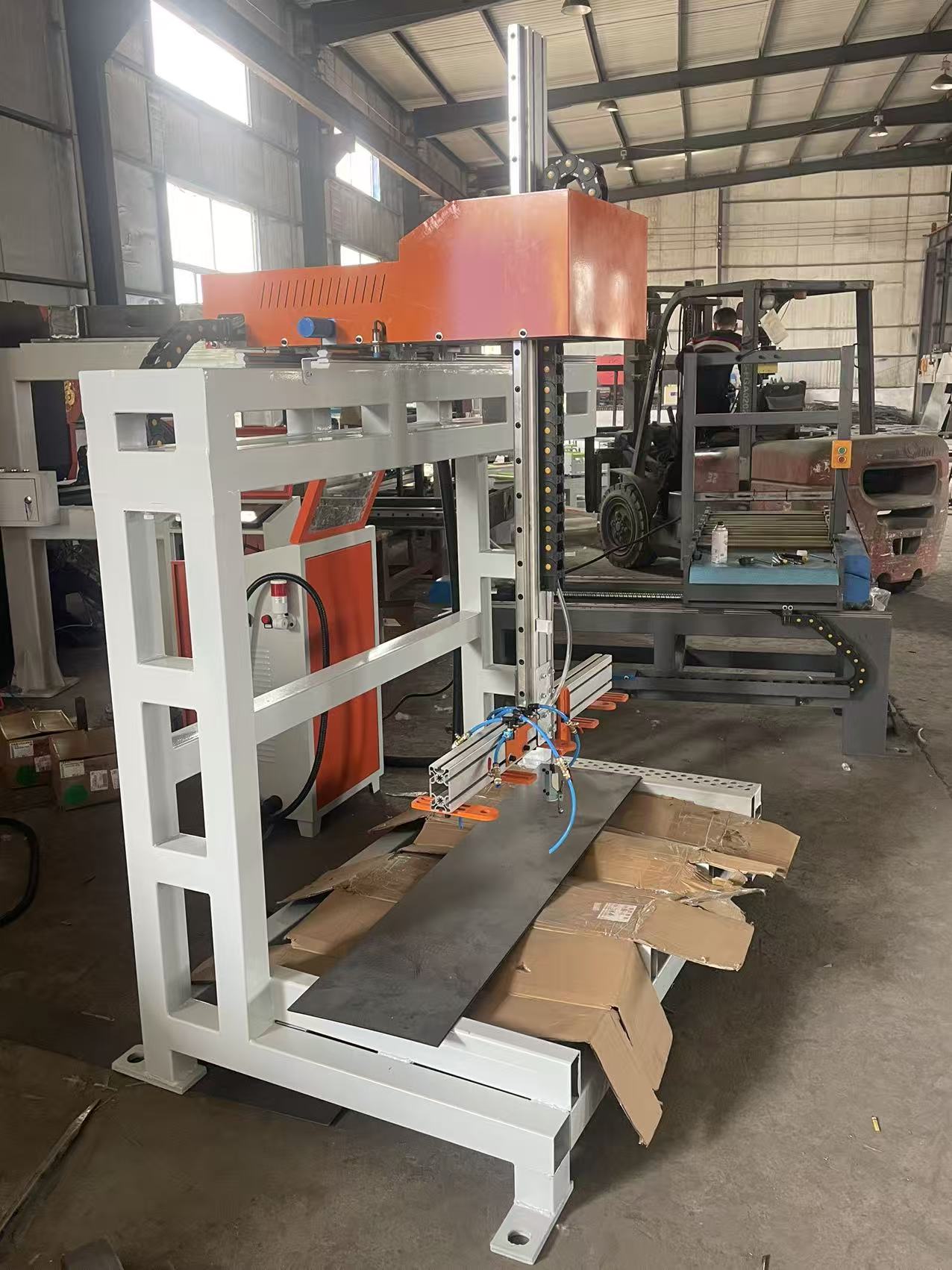
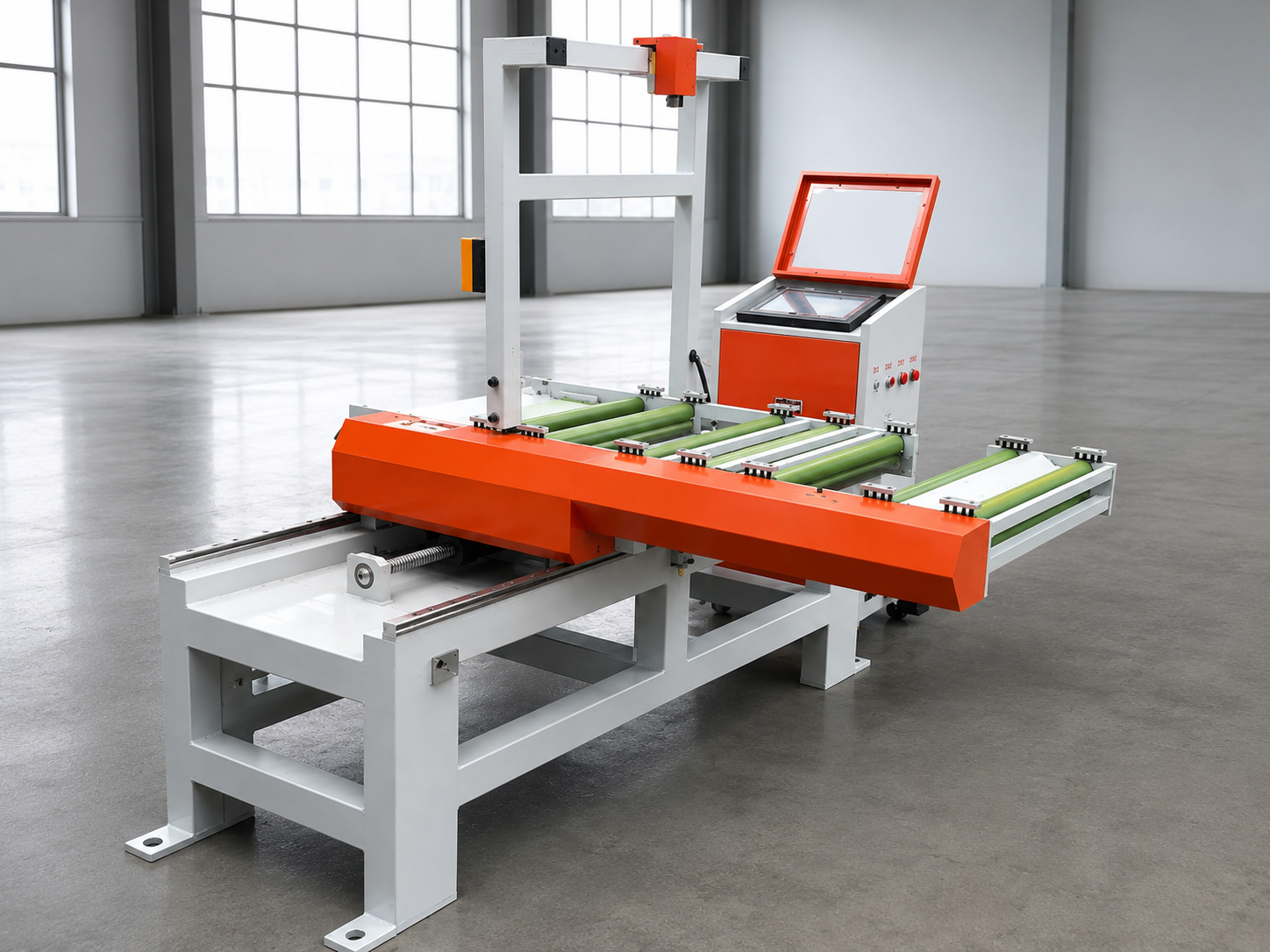
Welcome to Shandong Fuxing Machinery Co., Ltd.
Combined Application of Feeder Systems and Punch Presses
A Key Solution for Efficient Stamping Automation
In modern metal stamping production, a single punch press is no longer sufficient to meet the demands of high efficiency, high precision, and continuous manufacturing. The combined application of feeder systems and punch presses has become a core configuration in automated stamping production lines. By tightly integrating material feeding systems with stamping equipment, manufacturers can significantly improve cycle time, ensure dimensional consistency, and reduce labor costs.
This article explains the system structure, working principle, equipment matching, advantages, and real-world industrial applications of feeder–press integration.
1. Basic Components of the Punch Press and Feeder System
1.1 Punch Press System
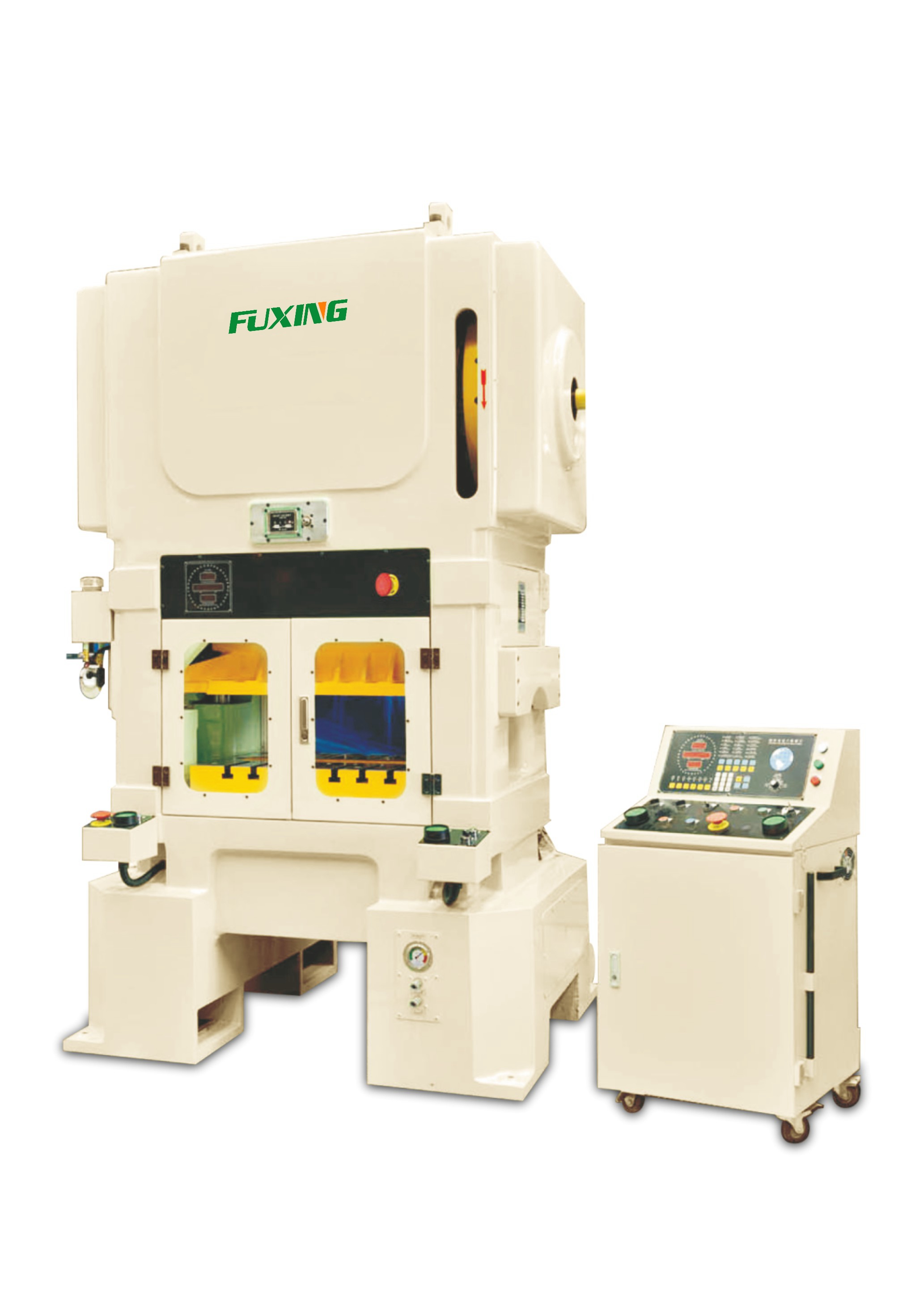
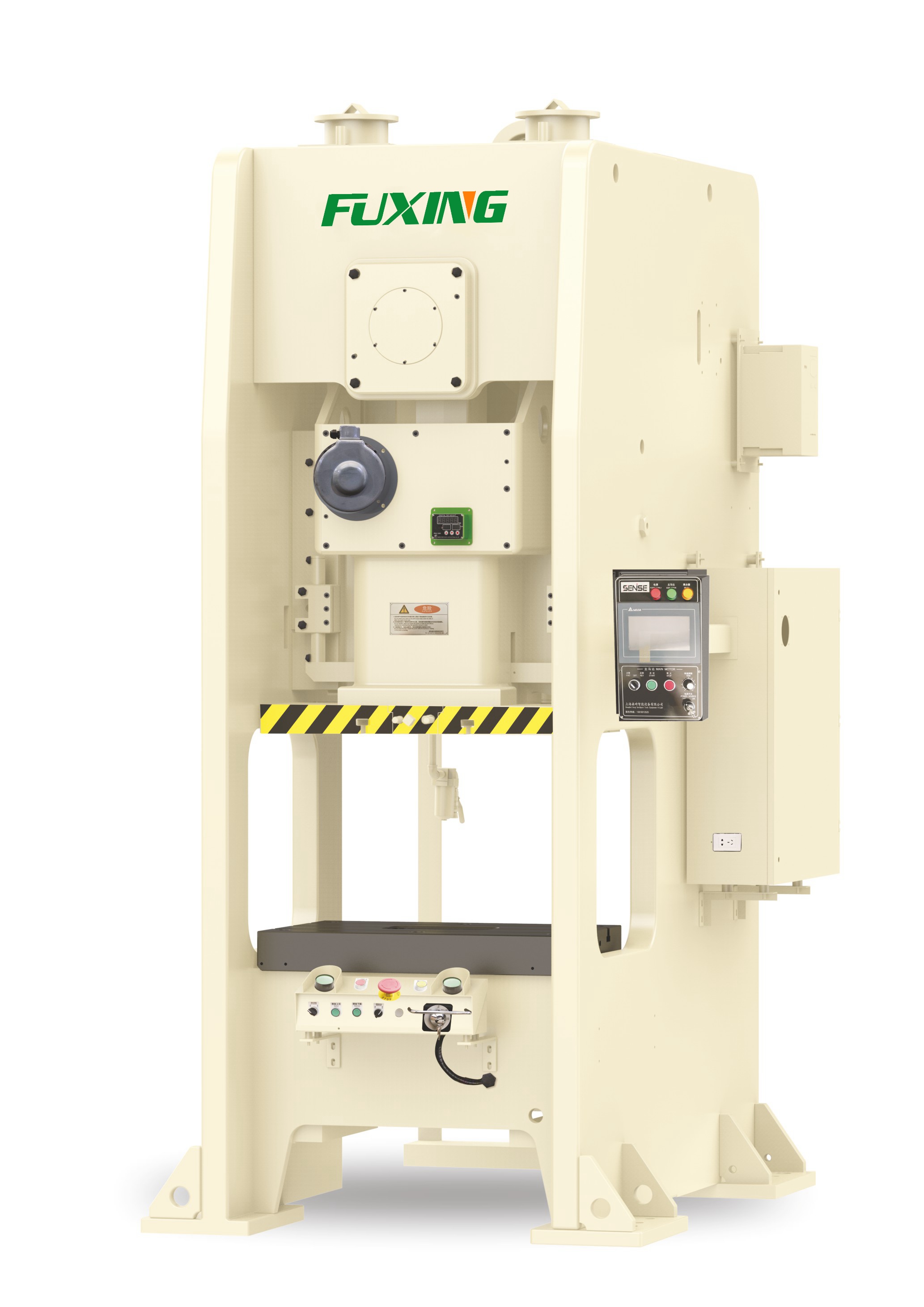
The punch press is the core equipment in metal forming, consisting of:
Machine frame (C-frame or H-frame)
Crankshaft and transmission system
Slide (ram, which determines stamping precision)
Die mounting system
Control system (PLC or CNC)
Its function is to apply force to sheet metal or coil material to perform punching, blanking, and forming operations.
1.2 Feeder System
The feeder system is responsible for precisely delivering coil or sheet material into the die area. Common types include:
Pneumatic feeder
Mechanical roller feeder
Servo feeder (the mainstream high-precision solution)
3-in-1 feeder system (uncoiling, leveling, and feeding integrated)
Its core function is accurate step feeding and synchronized positioning.
2. Working Principle of Feeder–Press Coordination
In an automated stamping line, the feeder and punch press operate in a synchronized cycle:
The press ram moves upward and the die opens
The feeder receives a “feeding permission” signal
The material is advanced by a preset pitch distance
Positioning is confirmed via sensors
The press ram moves downward to complete stamping
The cycle repeats for continuous production
This “stamping–feeding–positioning–stamping” loop enables fully automated production.
3. Matching Between Feeder Systems and Punch Presses
Different types of punch presses require different feeder systems:
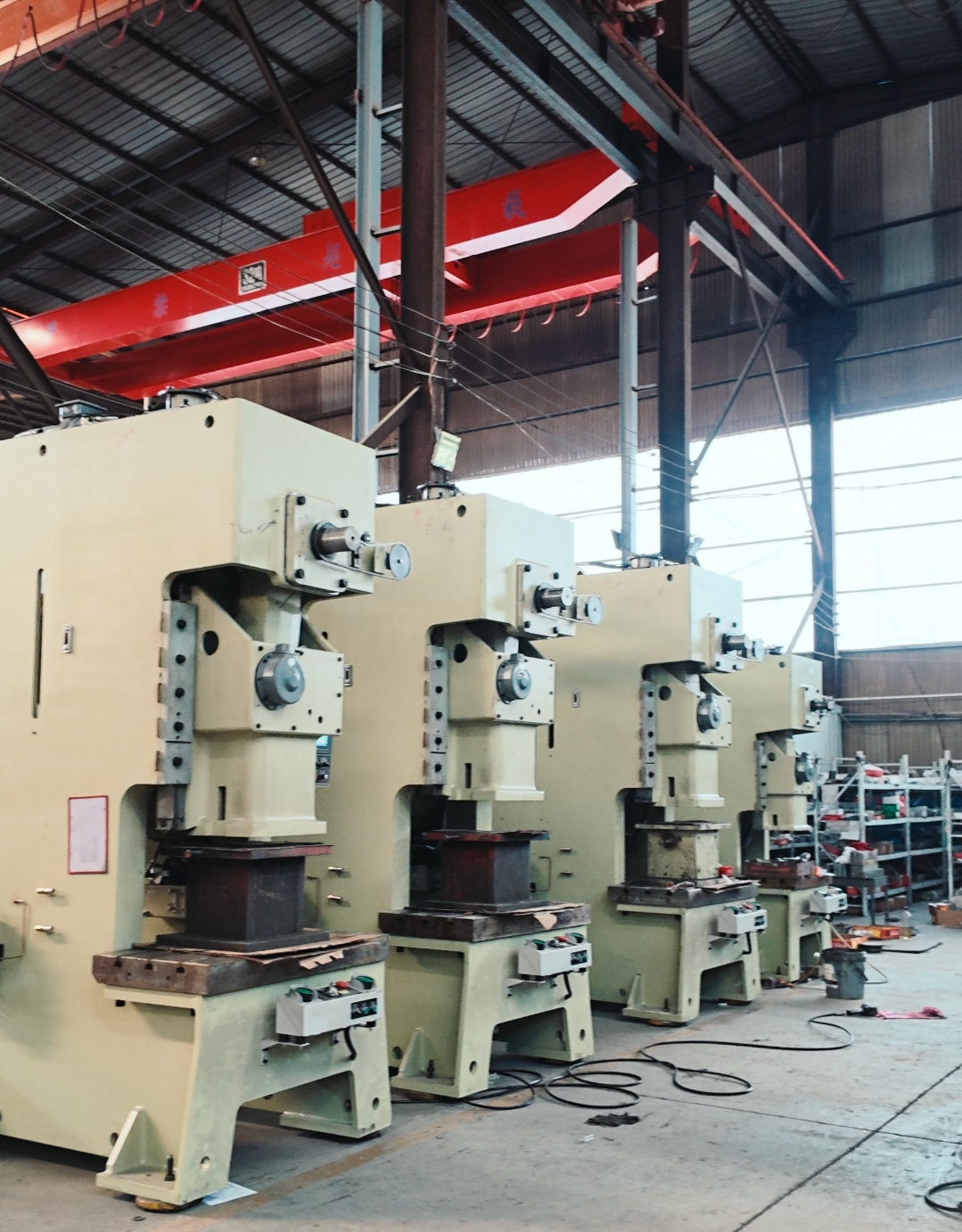
3.1 Mechanical Punch Press + Roller Feeder
Suitable for:
Simple punching parts
Medium or low-speed production
Cost-sensitive operations
Features:
Simple structure
Low maintenance cost
Moderate precision
3.2 High-Speed Punch Press + Servo Feeder
Suitable for:
Precision electronic components
High-speed continuous stamping
High cycle-rate production
Features:
High precision (up to ±0.02 mm or better)
Programmable feed pitch
Strong PLC synchronization
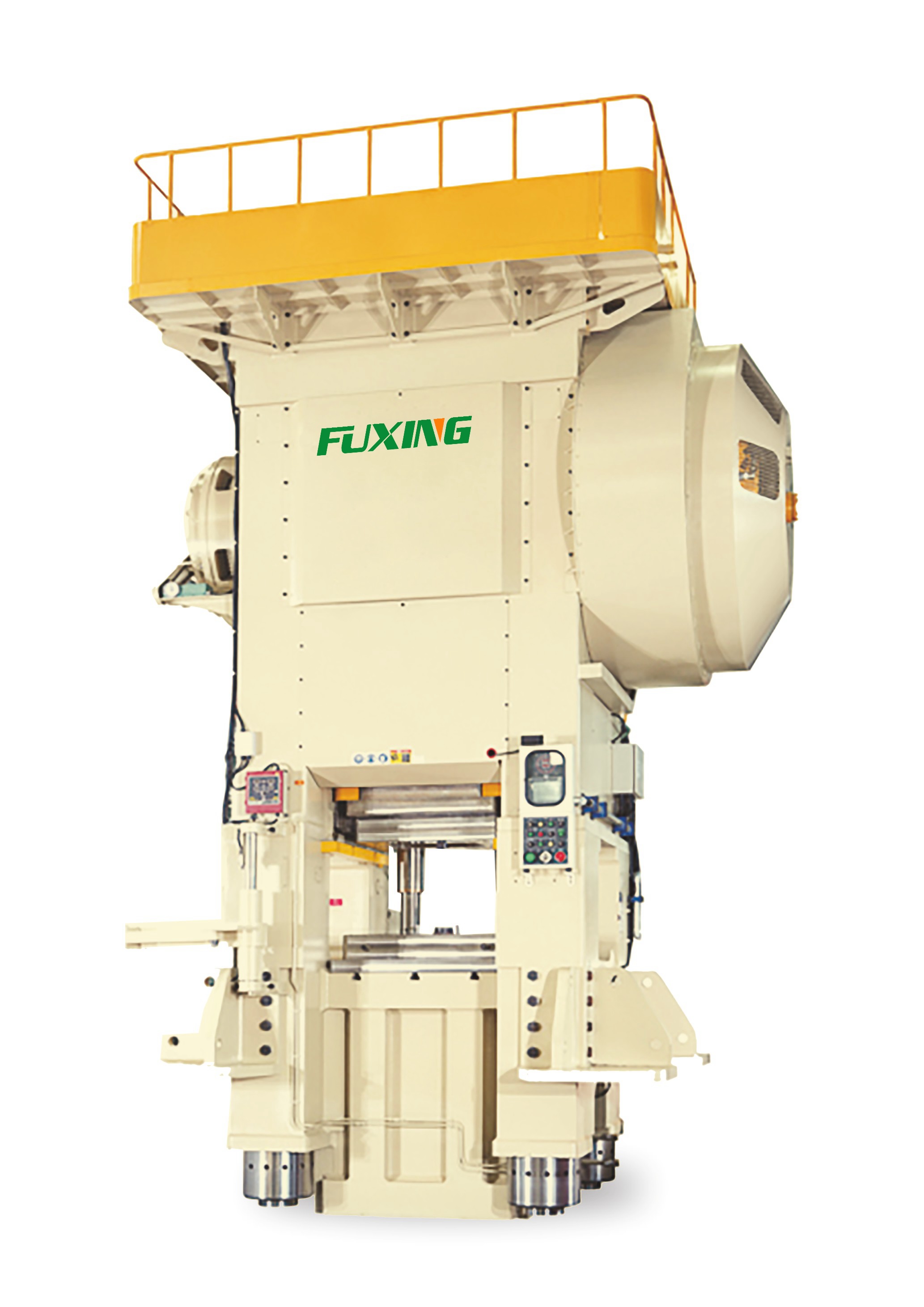
3.3 Stamping Line + 3-in-1 Feeder System
Suitable for:
Automotive components
Home appliance structural parts
Mass production lines
Features:
Integrated uncoiling, leveling, and feeding
Compact layout
Highest level of automation
4. Key Advantages of Feeder–Press Integrated Systems
4.1 Improved Production Efficiency
Automatic feeding replaces manual loading, enabling continuous production and significantly increasing output.
4.2 Higher Stamping Accuracy
Servo or mechanical synchronization ensures consistent feed pitch and reduces cumulative errors.
4.3 Reduced Labor Costs
Minimizes manual handling, positioning, and loading operations.
4.4 Enhanced Safety
Operators are kept away from hazardous stamping zones, reducing injury risks.
4.5 Stable Product Quality
Eliminates human error, ensuring high consistency and repeatability.
5. Core Technology: Synchronization Control System
The performance of a feeder–press system depends heavily on synchronization control, including:
Crankshaft angle encoder signals
PLC coordinated control
Servo-driven feeder system
Photoelectric sensors and safety interlocks
When the press reaches the feeding window angle, the system allows feeding; when the die closes, feeding is locked to ensure safety and precision.
6. Typical Industrial Applications
Feeder–press integrated systems are widely used in:
Automotive components (brackets, connectors, washers)
Home appliance sheet metal parts
Motor laminations
Electronic hardware components
Construction hardware
Precision stamping parts and washers
7. Development Trend: Fully Automated Stamping Lines
The future of the stamping industry is moving toward:
Higher precision servo feeding systems
AI-based process optimization
Integration with robotic loading/unloading
Remote monitoring and predictive maintenance
Turnkey automated stamping solutions
Greater automation leads to higher productivity and better consistency.
8. Integrated Solution Provider Advantage
Modern manufacturing increasingly relies on system-level solutions. For example, the Chinese manufacturer FUXING MACHINERY CO., LTD provides not only standalone punch presses but also complete stamping systems, including feeders, decoilers, and full production line solutions.
More information is available on the official website:
FUXING MACHINERY Official Website
Conclusion
The combined application of feeder systems and punch presses represents the integration of mechanical execution and intelligent control. As manufacturing continues to evolve toward automation and smart production, this configuration has become a standard solution in modern stamping industries.
For manufacturers seeking higher efficiency, precision, and lower production costs, selecting a properly matched feeder–press system is a critical decision that directly determines competitiveness in the market.