Welcome to Shandong Fuxing Machinery Co., Ltd.
Difference Between Old and New Crank Press Machines: Structure, Performance and Applications
In the metal stamping industry, the Crank Press is one of the most widely used mechanical stamping machines. It is extensively applied in industries such as hardware manufacturing, automotive parts, home appliances, construction materials, and metal fabrication.
With the development of modern manufacturing technology, traditional crank presses are gradually being replaced by new-generation high-performance crank press machines. These modern presses offer significant improvements in precision, safety, automation, and efficiency.
So what exactly are the differences between traditional crank presses and modern crank press machines? This article provides a comprehensive comparison from several key aspects including machine structure, transmission system, control system, safety performance, processing accuracy, and automation capability.
1. Basic Working Principle of a Crank Press
Both traditional and modern crank presses operate based on the same fundamental principle. The machine uses a crankshaft and connecting rod mechanism to convert the rotary motion of a motor into the vertical reciprocating motion of a slide (ram), enabling metal stamping operations.
The basic transmission structure is:
Motor → Flywheel → Crankshaft → Connecting Rod → Slide → Die
When the crankshaft rotates, the connecting rod drives the slide to move up and down. With the help of stamping dies, the machine can perform various metal forming processes such as:
Blanking
Punching
Bending
Drawing
Forming
This mechanism allows crank presses to deliver high-speed and high-efficiency metal stamping production.
2. Differences in Machine Frame Structure
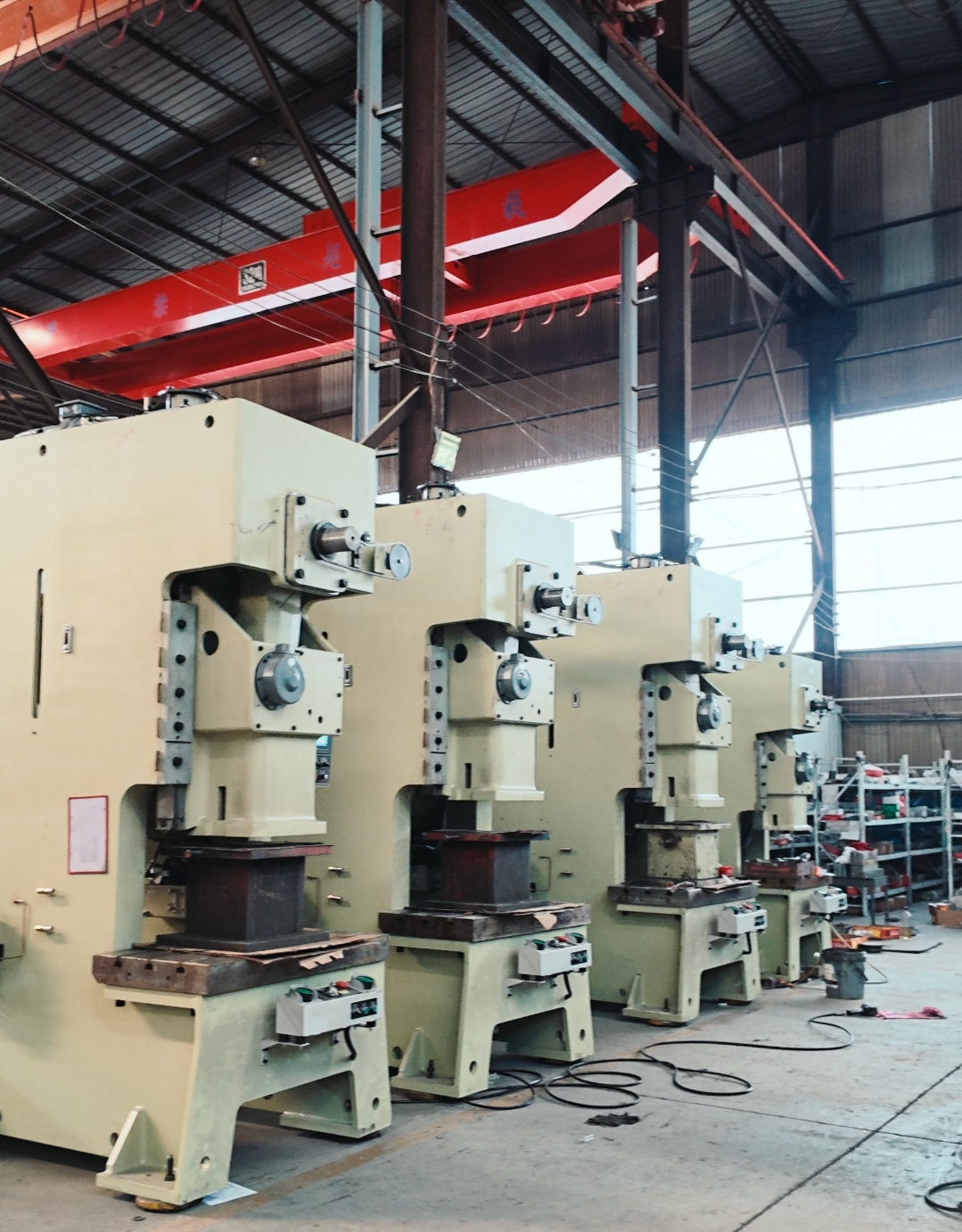
Traditional Crank Press
Traditional crank presses typically feature relatively simple structural designs:
Standard cast iron frame
Basic structural layout
Moderate rigidity and vibration resistance
Due to limitations in early manufacturing technology, these machines may generate more vibration during high-speed operation, which can affect stamping precision and long-term machine durability.
Modern Crank Press
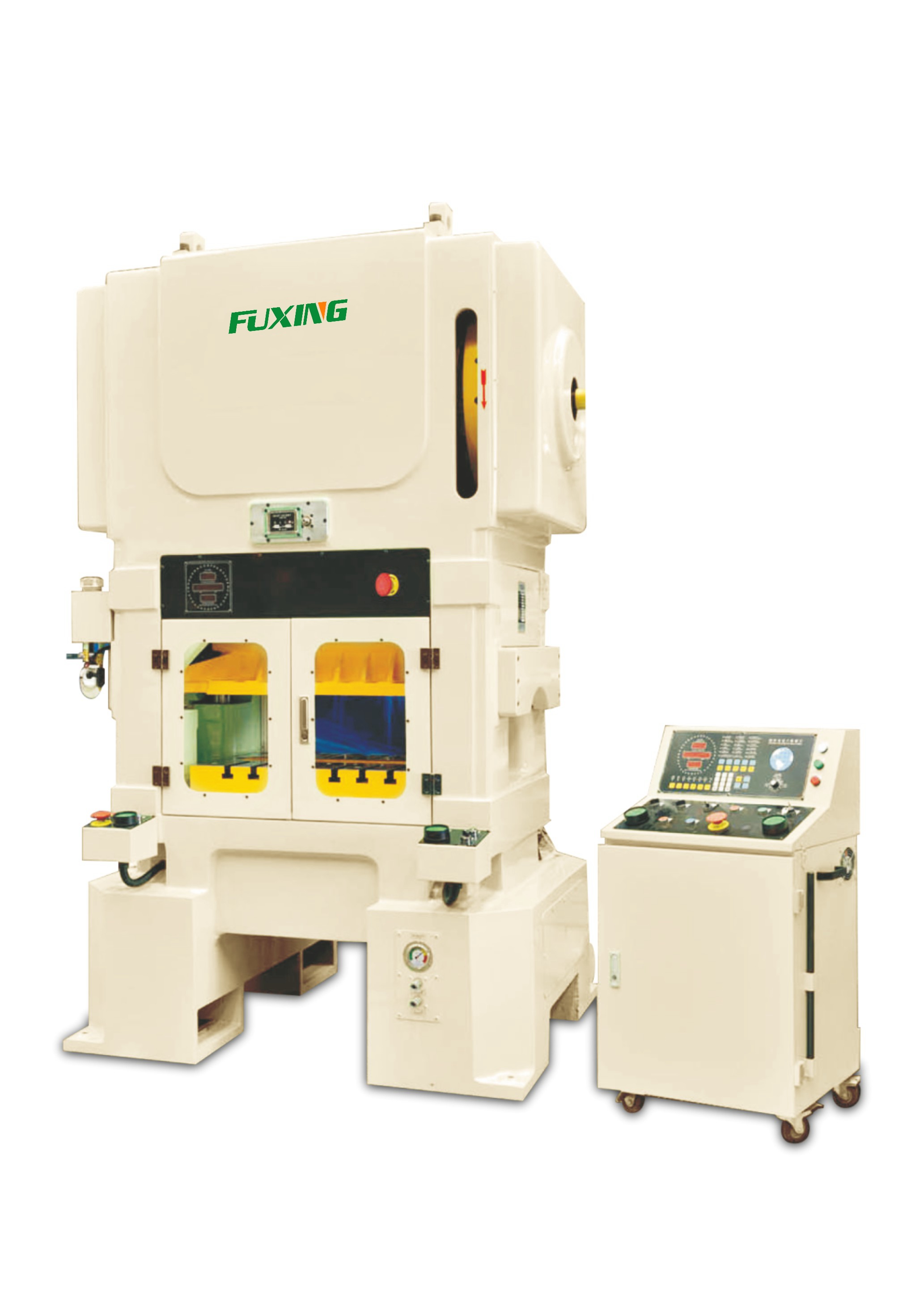
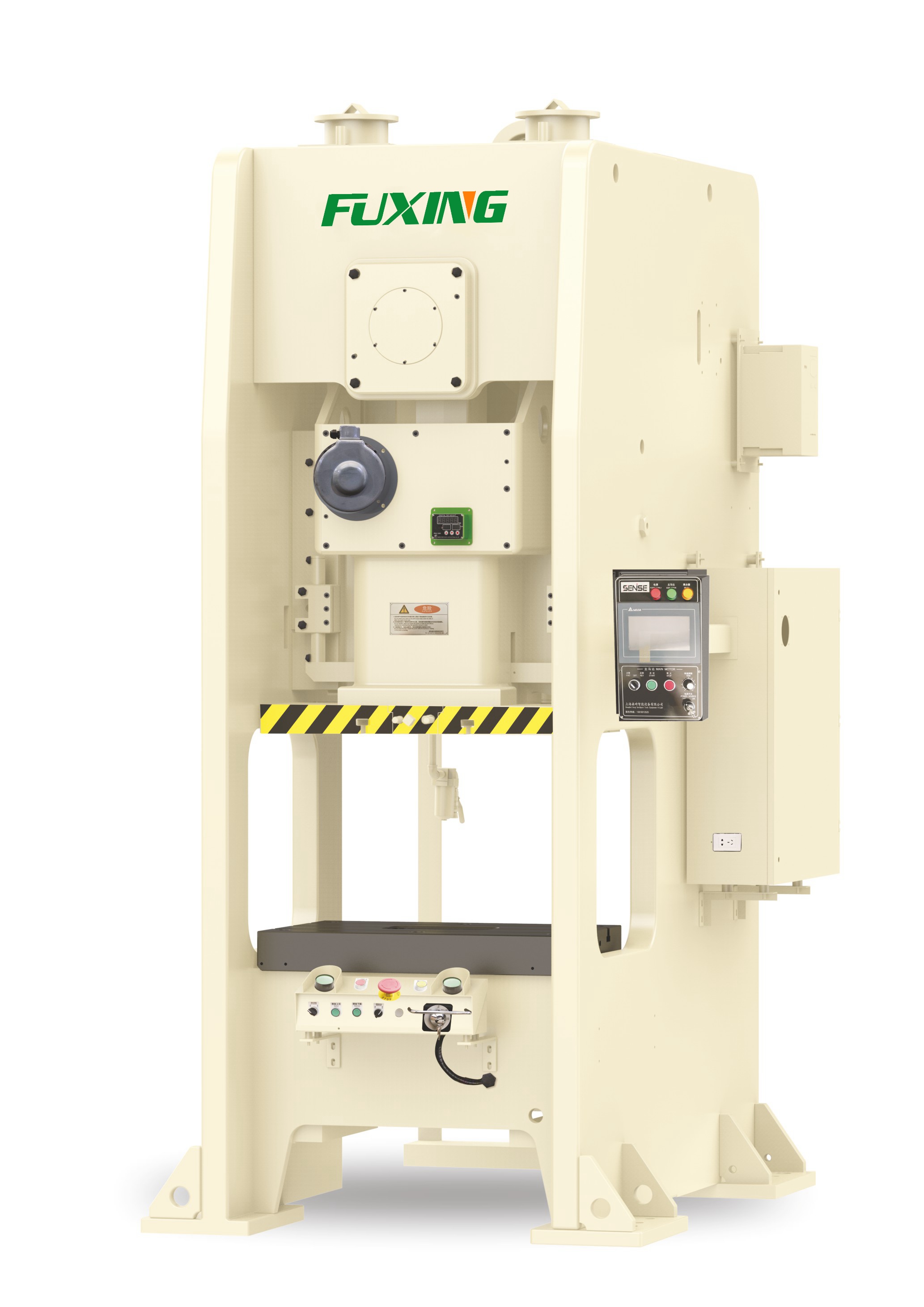
Modern crank presses have significantly improved frame structures, including:
High-strength cast iron or welded steel frames
Finite Element Analysis (FEA) optimized structure
Reinforced machine body design
These improvements greatly enhance machine rigidity and stability, reducing vibration during operation and ensuring smoother stamping processes.
3. Transmission System Improvements
Traditional Press
Older crank presses often use basic transmission components, including:
Conventional bearing structures
Mechanical clutch systems
Lower transmission efficiency
After long-term use, wear on transmission components may lead to reduced machine accuracy and increased maintenance requirements.
Modern Press
Modern crank press machines incorporate advanced transmission technology, such as:
High-precision crankshaft machining
High-quality rolling bearings
Pneumatic clutch and brake systems
These improvements provide several benefits:
Smoother power transmission
Faster response time
Longer service life
More stable machine performance
4. Control System Upgrades
Traditional Press Control
Older crank presses commonly rely on:
Relay-based control systems
Manual operation
Low level of automation
Such systems are less efficient and more difficult to maintain.
Modern Press Control
New-generation crank presses are typically equipped with advanced control systems, including:
PLC control systems
Touchscreen interfaces
Electronic cam control technology
These systems allow more precise control of machine operations and make it easier to integrate with automated equipment.
5. Improved Safety Features
Traditional stamping machines generally provide limited safety protection, such as:
Basic mechanical safety devices
Lack of electronic safety systems
This may create safety risks during operation.
Modern crank presses are designed with multiple safety protections, including:
Safety light curtain systems
Overload protection devices
Two-hand operation buttons
Emergency stop systems
These features significantly improve operator safety and reduce accident risks.
6. Stamping Accuracy and Stability
Traditional Machines
Due to lower guide precision and weaker structural rigidity, traditional crank presses may experience:
Increased slide clearance after long-term use
Reduced motion accuracy
Inconsistent stamping dimensions
Modern Machines
Modern crank presses typically adopt:
High-precision slide guide systems
Adjustable guide structures
Higher frame rigidity
These improvements ensure:
More stable stamping accuracy
Better product consistency
Longer die service life
7. Automation Capability
Traditional crank presses are usually used for:
Manual feeding
Standalone production
This limits production efficiency and increases labor costs.
Modern crank presses can easily integrate with automation equipment such as:
Automatic feeders
3-in-1 straightener feeders
Industrial robots
Automated stamping production lines
This automated production mode significantly improves productivity while reducing manual labor.
8. Energy Efficiency and Productivity
Traditional presses typically use standard motors without energy optimization, leading to higher energy consumption.
Modern crank presses often incorporate:
High-efficiency motors
Variable Frequency Drive (VFD) control systems
These technologies help reduce energy consumption while increasing overall production efficiency.
9. Conclusion
Compared with traditional machines, modern crank presses offer significant advantages:
Stronger and more stable machine structures
More reliable transmission systems
Intelligent control systems
Enhanced safety protection
Higher automation compatibility
Improved stamping accuracy and consistency
For modern manufacturing industries, upgrading to advanced crank press machines can greatly improve production efficiency, product quality, and operational safety.
About Fuxing Machinery
If you are looking for high-performance crank press machines or complete metal stamping production line solutions, Fuxing Machinery is a professional manufacturer specializing in metal stamping equipment.
Our main products include:
C Frame Power Press Machines
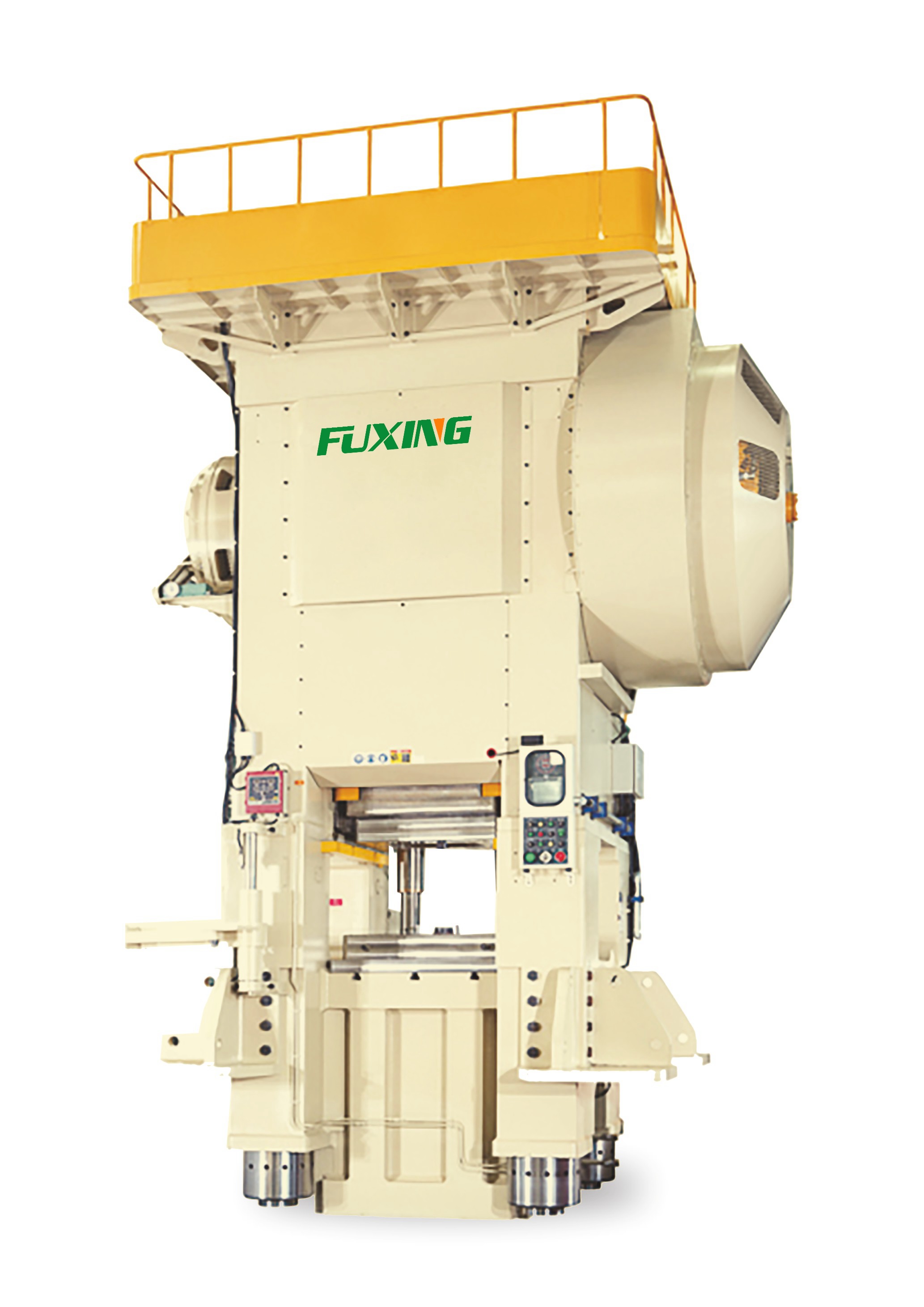
H Frame Power Press Machines
Automatic Stamping Production Lines
Straightener Feeders
Customized Metal Stamping Solutions
Our machines are widely used in industries such as automotive parts, household appliances, hardware manufacturing, and metal fabrication.
For more information, please visit our website:
https://www.fuxingmachinery.com