Welcome to Shandong Fuxing Machinery Co., Ltd.
Crankshaft and Crankshaft Angle Sensor in Press Machines: Working Principle and Application
In modern mechanical press machines and automated stamping production lines, the crankshaft system and crankshaft angle sensor play a critical role in ensuring precision, safety, and production efficiency. One is responsible for mechanical power transmission, while the other provides real-time position feedback for intelligent control.
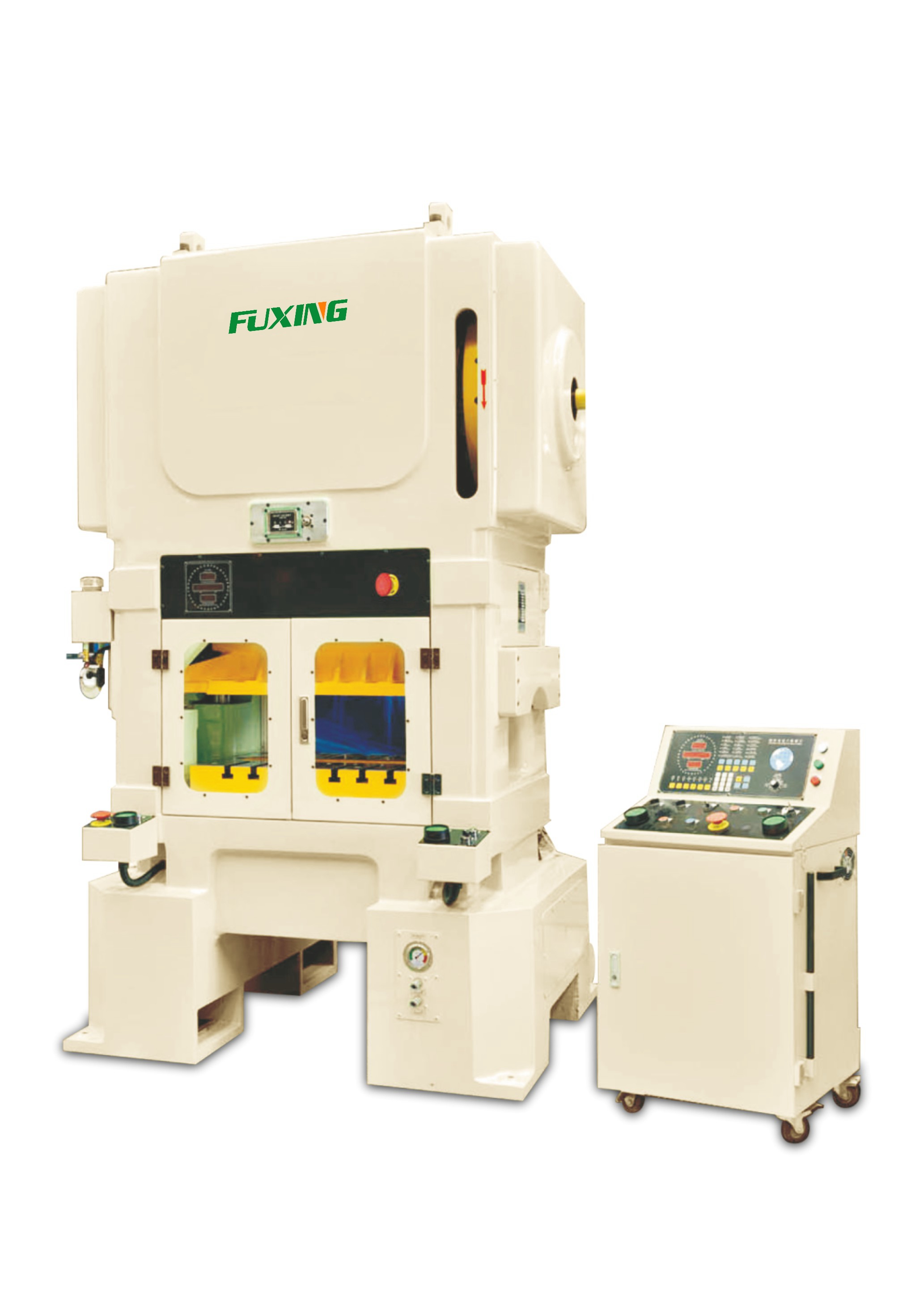
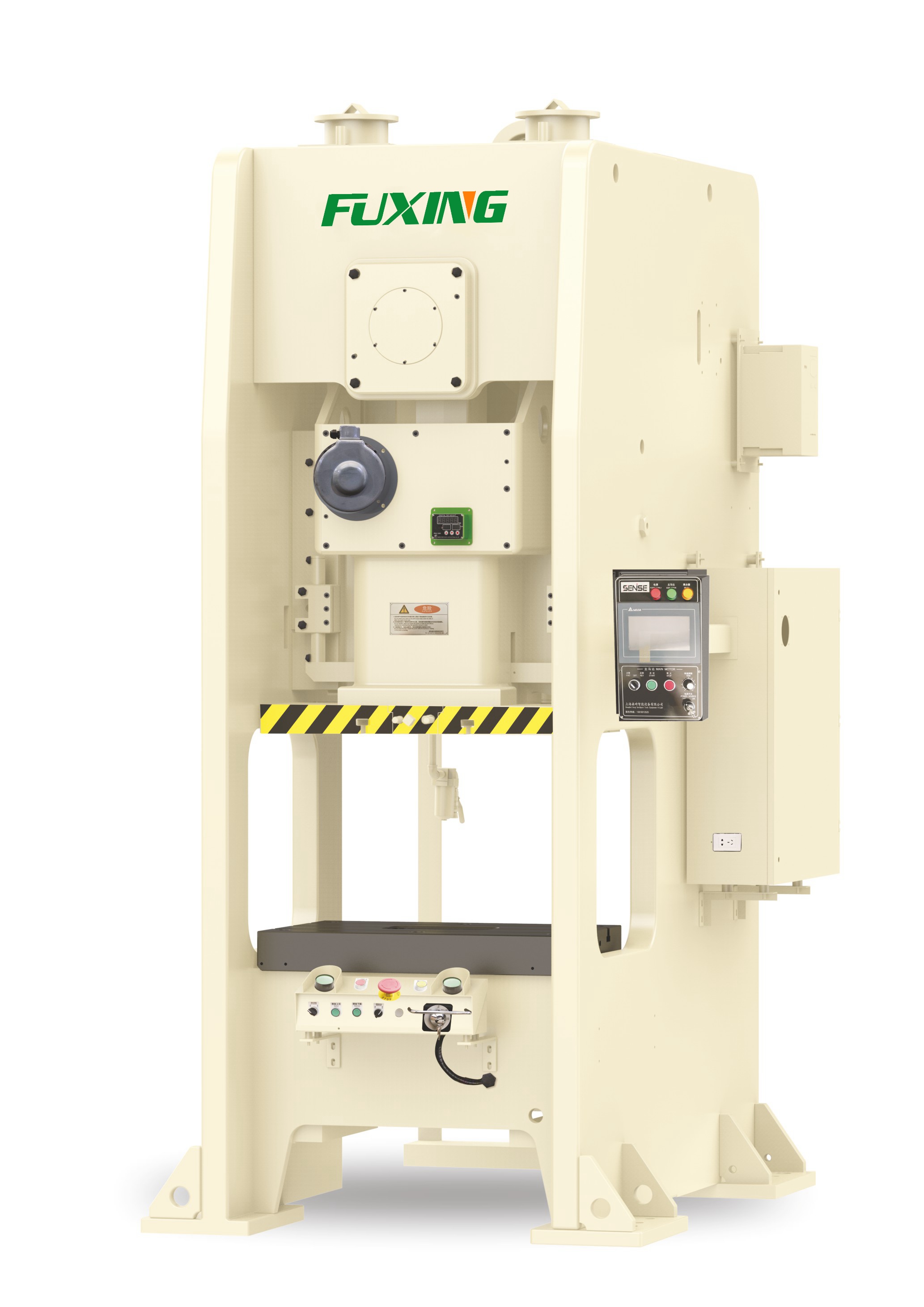
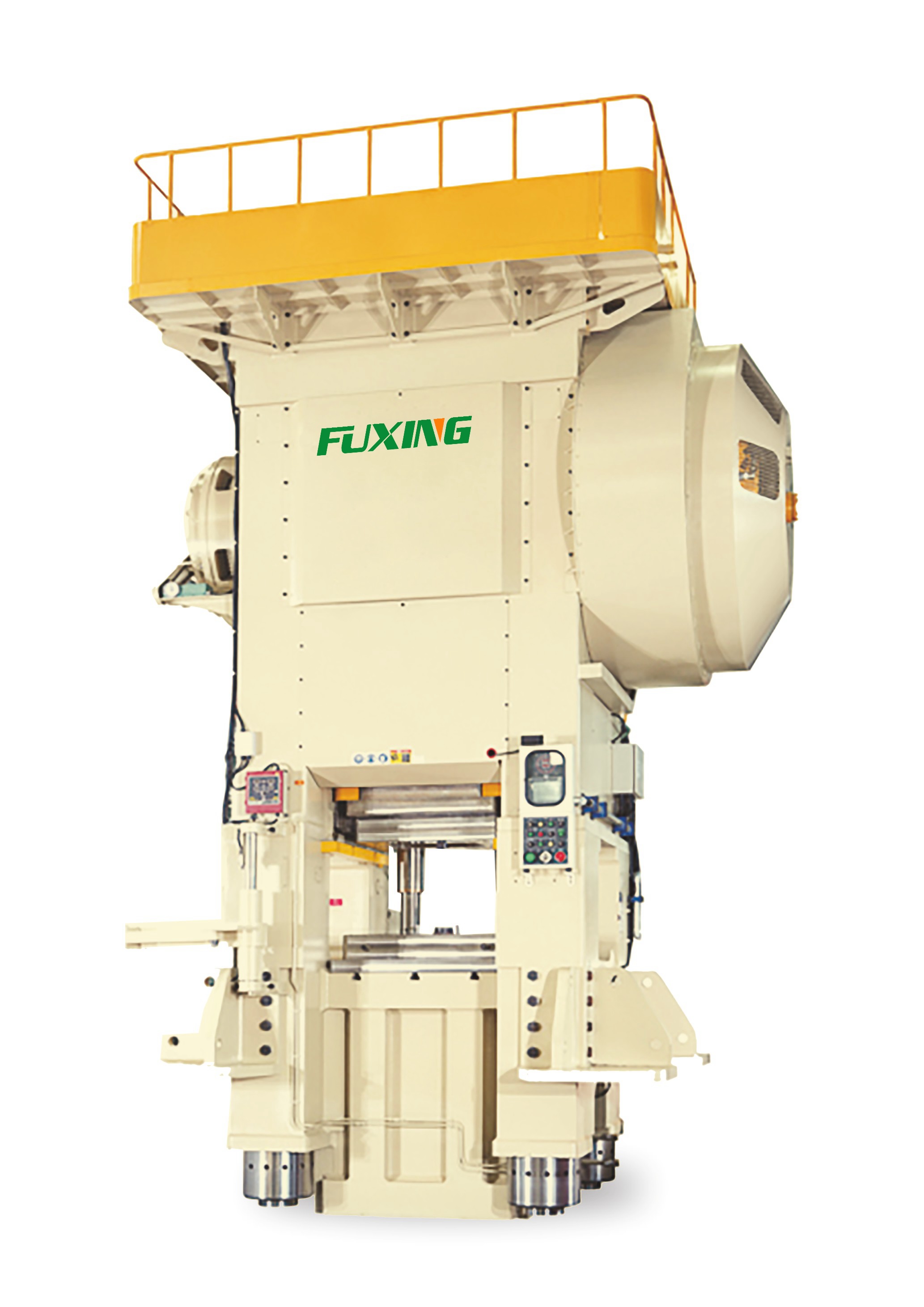
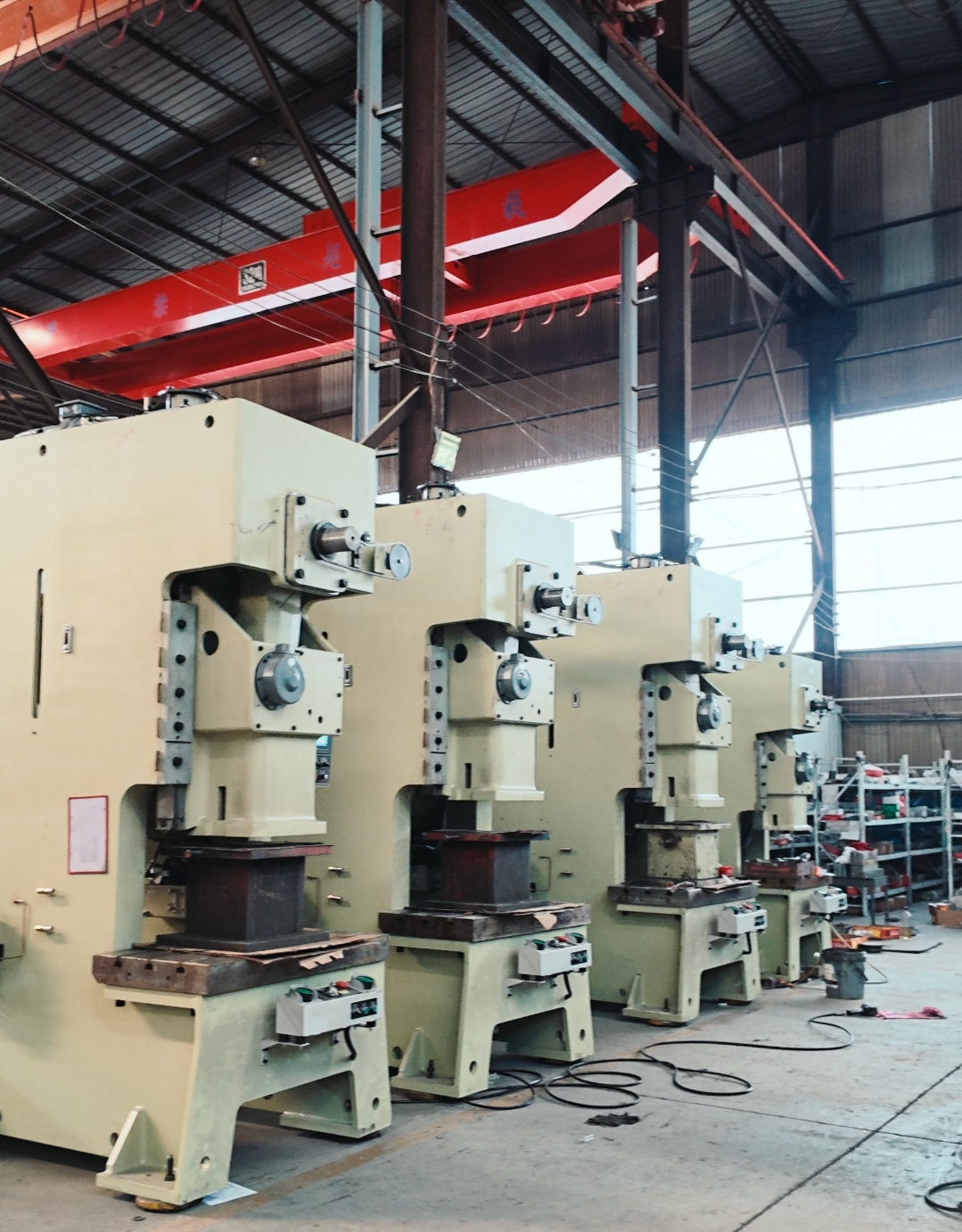
At Fuxing Machinery, we design and manufacture high-performance pneumatic and mechanical press machines with advanced control systems to support stable, high-precision metal forming solutions.
1. What is a Crankshaft in a Press Machine?
The crankshaft is one of the most important mechanical components in a press machine. It is part of the power transmission system and is responsible for converting rotational motion into linear reciprocating motion.
Main Functions:
Converts motor rotation into vertical slide movement
Drives the ram (slider) for stamping operations
Transfers high torque and impact load during pressing
Working Principle in Press Machines
A typical mechanical press operates as follows:
The motor drives the flywheel
The clutch engages the crankshaft
The crankshaft rotates and converts motion via the connecting rod
The slide moves up and down to complete the stamping process
One full rotation of the crankshaft corresponds to one complete press cycle.
Key Features of the Crankshaft:
Made from high-strength alloy steel
Designed to withstand heavy impact loads
High precision machining requirements
Continuous operation under high-speed conditions
2. What is a Crankshaft Angle Sensor?
The crankshaft angle sensor (also known as crankshaft position sensor) is an electronic device used to detect the real-time position and speed of the crankshaft.
It is a key component in modern automated press control systems.
Main Functions:
Detects crankshaft rotation angle (0°–360°)
Measures rotational speed (RPM)
Sends real-time position signals to the control system (PLC/controller)
Working Principle
A gear wheel or encoder disc is installed on the crankshaft. The sensor reads signal changes as the shaft rotates:
Each tooth or signal mark represents an angular position
The system calculates precise crankshaft angle and speed based on signal feedback
Common sensor types include:
Magnetic induction sensors
Hall effect sensors
Photoelectric sensors
3. How the Crankshaft and Sensor Work Together
In a press machine system, the crankshaft and angle sensor form a coordinated control loop:
Crankshaft (Mechanical Execution)
Provides physical stamping motion
Drives the slide up and down
Angle Sensor (Signal Feedback)
Continuously monitors crankshaft position
Detects upper and lower dead center positions
Provides real-time data to the control system
Control System (Decision Making)
Based on angle signals, the system determines:
Whether stamping is allowed
When to activate feeding systems
When to stop for safety protection
4. Key Applications in Press Machines
1. Precision Stamping Control
Angle-based positioning ensures:
Accurate stamping timing
Consistent product quality
Reduced production error rate
2. Automatic Feeding Synchronization
In automated production lines:
The feeder system must synchronize with crankshaft angle
Feeding is only allowed at specific positions
This prevents:
Material misalignment
Jamming
Mold damage
3. Mold Protection
The sensor helps prevent:
Early or incorrect stamping actions
Operation outside safe positions
Mechanical collision or overload
4. Safety Control System
The crankshaft angle sensor is a key part of machine safety logic:
Emergency stop based on abnormal angle detection
Interlocking with safety guards and dual-hand controls
Prevents dangerous machine operation
5. High-Speed Stable Production
In high-speed press machines:
Hundreds of strokes per minute are possible
Every cycle depends on precise angle feedback
Without a reliable sensor system, stable high-speed production cannot be achieved.
5. Difference Between Crankshaft and Crankshaft Angle Sensor
| Item | Crankshaft | Crankshaft Angle Sensor |
|---|---|---|
| Type | Mechanical component | Electronic sensor |
| Function | Power transmission | Position detection |
| Role | Executes motion | Provides feedback |
| Movement | Yes (rotating part) | No (fixed installation) |
| System Role | Actuator | Control input device |
6. Conclusion
In a press machine system:
The crankshaft is the core mechanical driving force
The crankshaft angle sensor is the intelligent feedback system
Together, they enable:
High-precision stamping
Automated production control
Enhanced safety performance
Stable high-speed operation
About Fuxing Machinery
Fuxing Machinery is a professional manufacturer and supplier of pneumatic and mechanical press machines, providing complete metal forming solutions for global customers.
We specialize in:
High-performance pneumatic presses
Mechanical power press machines
Customized stamping production line solutions
Turnkey metal forming systems
Our equipment is designed for:
High precision
Stable performance
Long service life
Industrial-scale production efficiency
🌐 Visit us: https://www.fuxingmachinery.com