Welcome to Shandong Fuxing Machinery Co., Ltd.
Comprehensive Guide to Press Machine Maintenance and Care
— Keep Your Equipment in Optimal Condition for Safety and Efficiency
1. Introduction
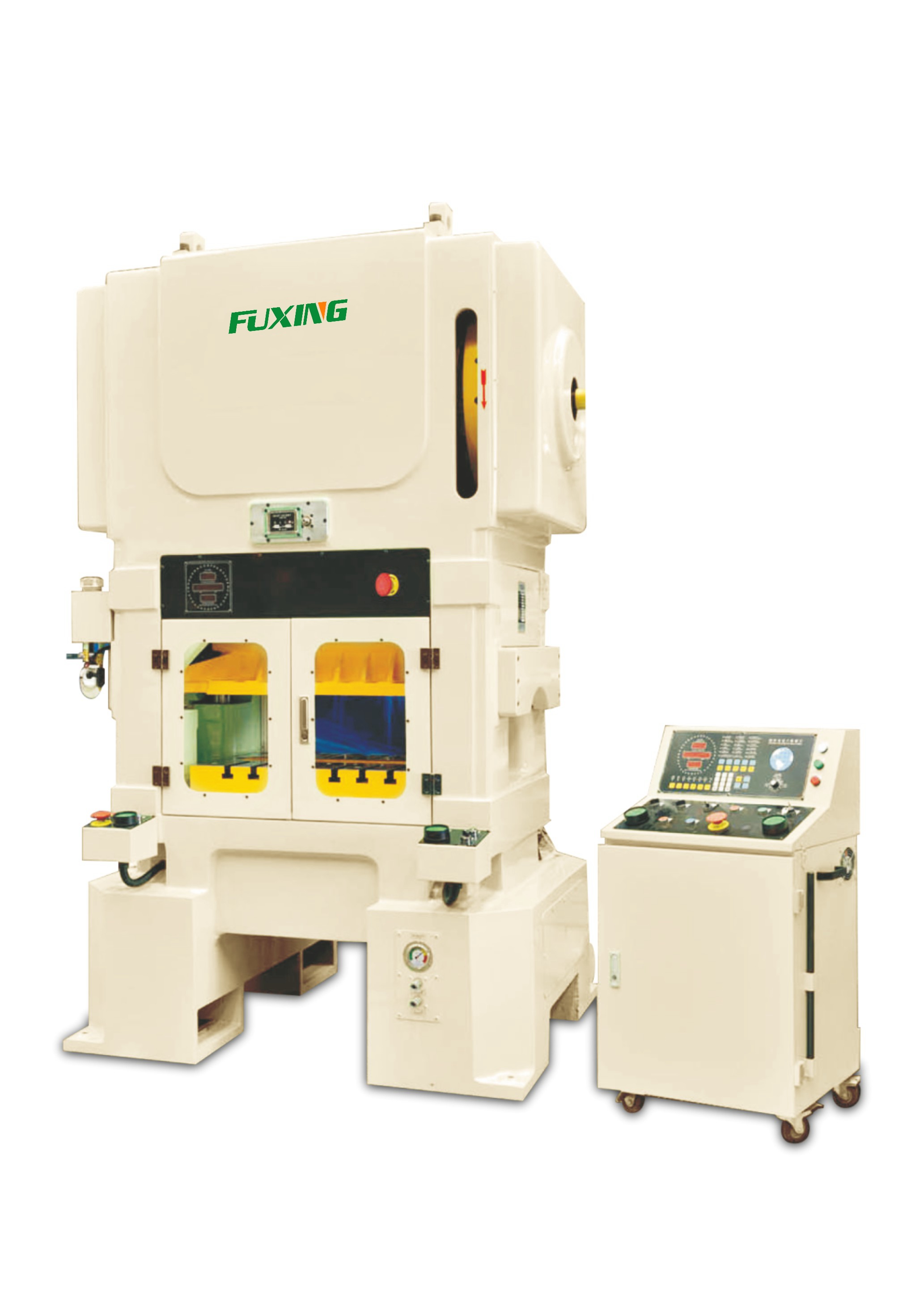
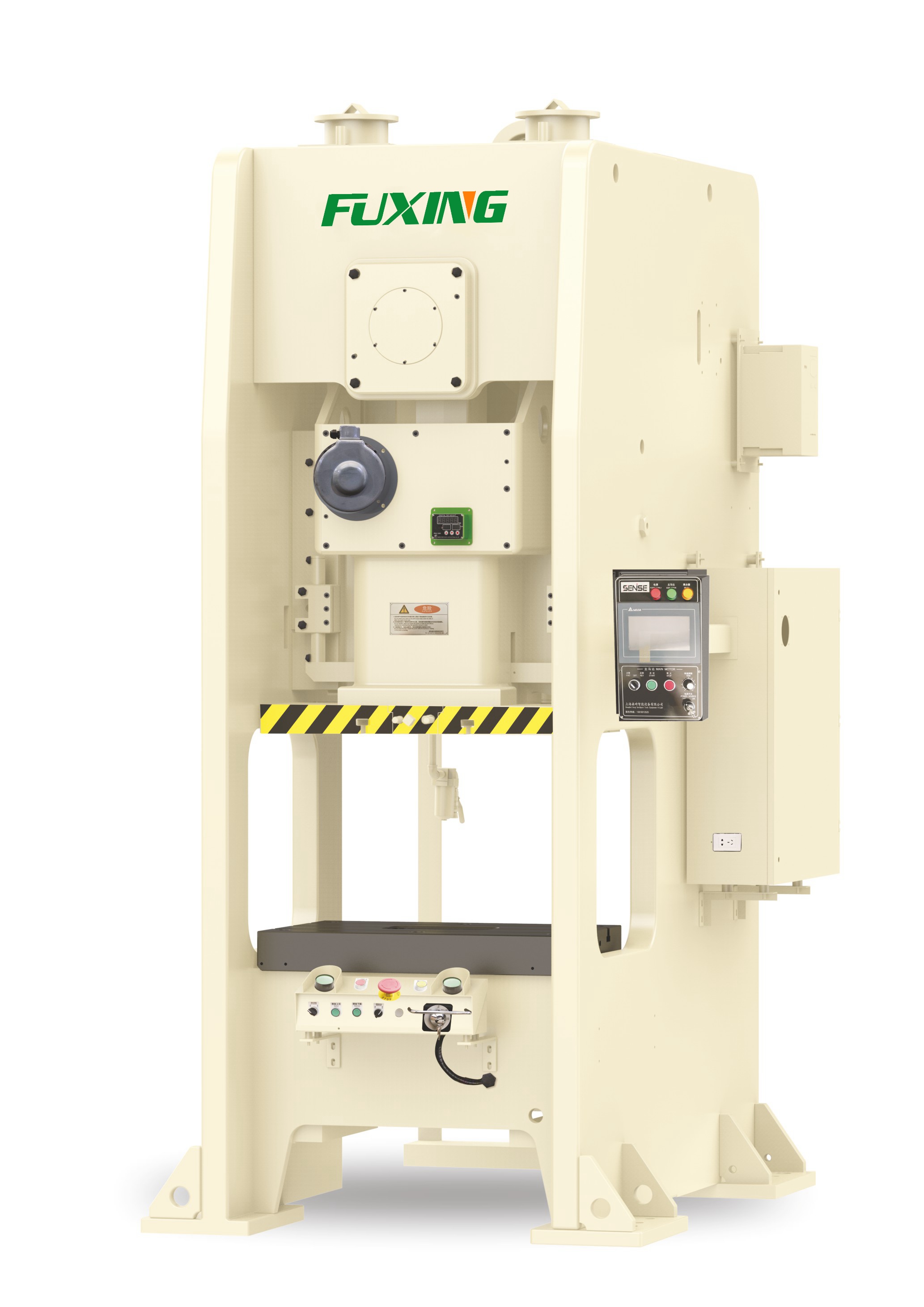
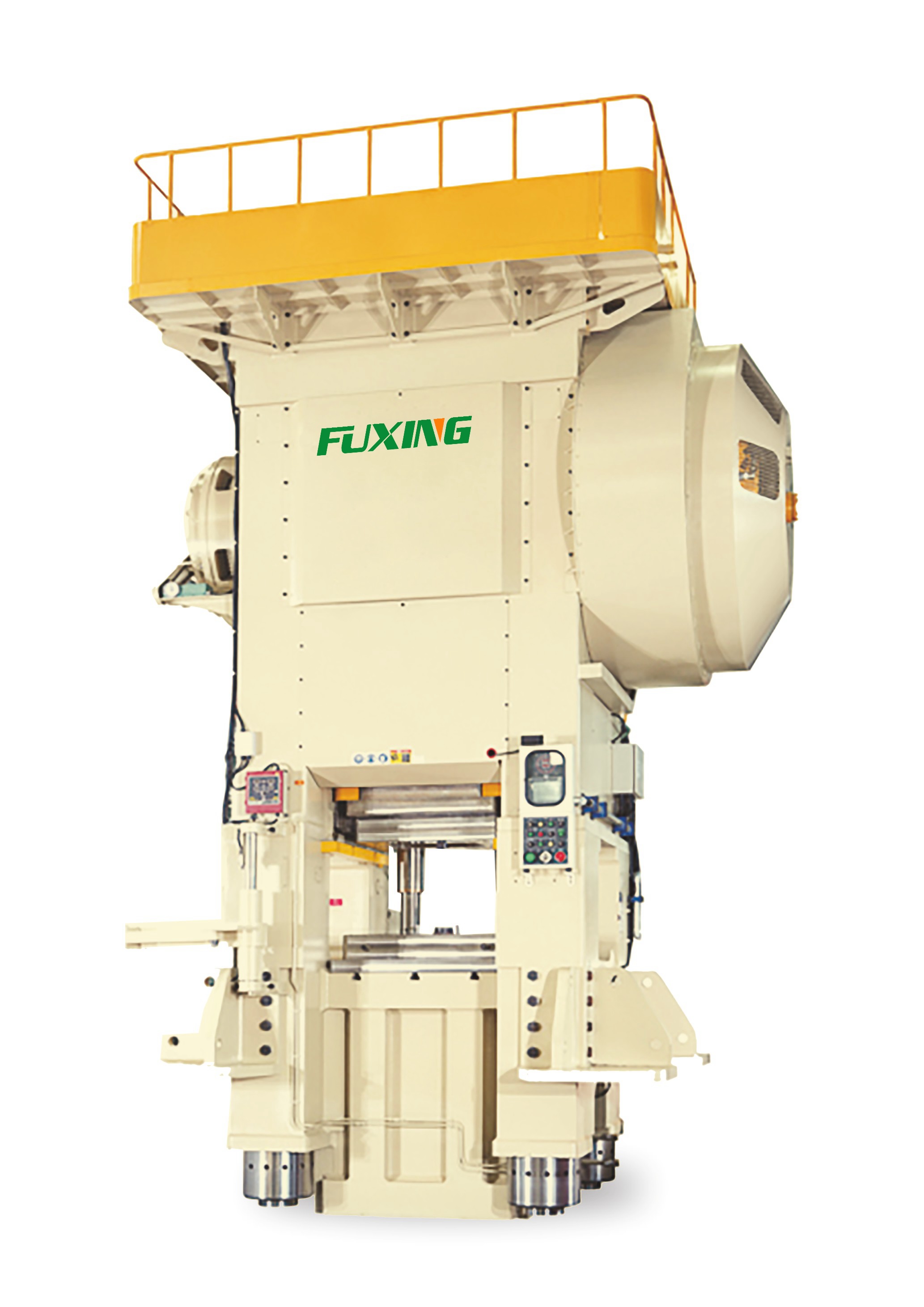
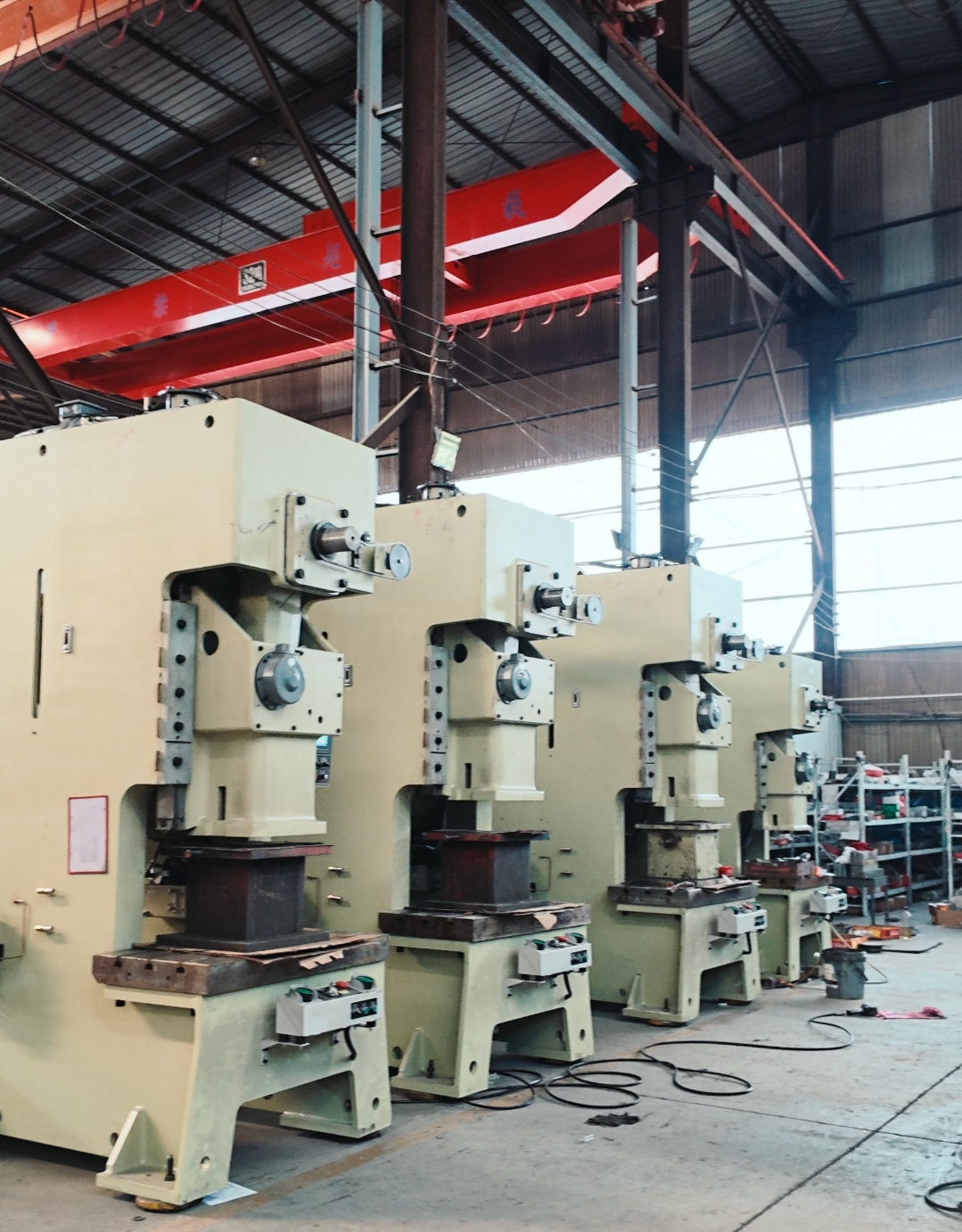
A press machine is one of the most essential pieces of equipment in the metal forming industry.
It is widely used in manufacturing automotive parts, household appliances, hardware components, and electronic products.
The press converts the motor’s rotational energy into pressure through its mechanical transmission system to perform operations such as blanking, bending, drawing, and forming.
However, due to the high-speed, high-load, and impact-intensive nature of its operation, improper maintenance may lead to:
Reduced accuracy or product deformation;
Mold damage or misalignment;
Clutch slippage or shaft breakage;
Electrical control failure;
Even severe safety accidents.
Therefore, a systematic and professional maintenance plan is essential to extend the machine’s lifespan, ensure operator safety, and improve production efficiency.
2. Objectives of Press Machine Maintenance
Maintain long-term mechanical accuracy and stability.
Reduce wear on major moving components.
Detect potential failures through preventive maintenance.
Ensure operational safety and equipment reliability.
Minimize downtime and maximize production efficiency.
3. Daily Maintenance
Daily maintenance should be performed by the machine operator at three key stages — before starting, during operation, and after shutdown.
1️⃣ Pre-start Inspection
| Item | Purpose | Inspection Method |
Lubrication System | Ensure sufficient lubrication | Check oil level,oil quality and oil line flow |
| Electrical System | Ensure safe and stable operation | Check indicator lights,buttons and emergency stop |
| Pneumatic System | Ensure clutch and break function properly | Check air pressure (0.5-0.7MPa),inspect for leaks |
| Die Installation | Prevent die shifting or damage | Verify bolts,pins and die surface cleanliness |
| Safety Devices | Avoid accidents | Check photoelectric guard ,two-hand button,foot pedal |
2️⃣ During Operation
Listen: ensure no knocking, scraping, or vibration noise.
Observe: slider and crankshaft should move smoothly.
Feel: no abnormal vibration or heat.
Check: stamped parts should have consistent shape and dimensions.
If any abnormality occurs, stop the machine immediately and inspect before resuming.
3️⃣ After Work
Clean the table, guide rails, and remove scraps or oil stains.
Lubricate sliding surfaces and joints.
Shut off power and air supply.
Record operating conditions and maintenance notes in the daily log.
4. Regular Maintenance
Weekly Checks
Tighten crankshaft and connecting rod bolts.
Test clutch and brake sensitivity.
Inspect guideway clearance and adjust if necessary.
Clean control cabinet dust and check terminal tightness.
Check oil mist level and pneumatic lubrication status.
Monthly Checks
Replace or filter lubricating oil.
Inspect flywheel and belt tension.
Monitor motor temperature and bearing heat.
Align slider center with worktable plane.
Verify limit and travel switch response.
Quarterly Checks
Inspect wear on guide rails and re-scrape if needed.
Lubricate crankshaft bearings.
Test safety systems (photoelectric guards, overload protector).
Check solenoid valves and contactor responsiveness.
Clean electrical box interior and measure insulation resistance.
Semiannual Maintenance
Disassemble and inspect clutch and brake pads; replace if worn.
Clean and test pneumatic filter-regulator-lubricator (FRL).
Check main shaft, gears, and bearing gaps.
Verify oil pump pressure.
Perform full safety test.
Annual Overhaul
Fully inspect crankshaft, connecting rod, gears, bearings, etc.
Measure and correct slider and guideway straightness/parallelism.
Replace aging wires, seals, and air tubes.
Clean, repaint, and perform rust protection.
Conduct complete accuracy calibration and performance report.
5. Lubrication Guidelines
Proper lubrication is the foundation of smooth and stable press operation.
Follow the “4R Principles”: right point, right time, right amount, right oil type.
Lubrication Points
Crankshaft bearings and connecting rod pins
Slider guideways
Flywheel bearings
Clutch and brake friction interfaces
Camshaft and pins
Slider screw joints
Maintenance Notes
Never mix different lubricant types.
Use the oil grade recommended by the manufacturer (e.g., ISO VG 46 or No. 68 mechanical oil).
Check oil mist quantity weekly to ensure proper lubrication.
Clean the oil tank and filters regularly to remove sludge buildup.
6. Common Problems and Troubleshooting
| Problem | Possible Cause | Solution |
| Slider movement stuck | Dirty or dry guideway | Clean and re-lubricate |
| Clutch slippage | Worn friction plate or low air pressure | Replace plates, adjust pressure |
| Machine won’t start | Electrical or control circuit fault | Inspect power, buttons, relays |
| Abnormal noise | Loose bolts or worn bearings | Tighten bolts, replace bearings |
| Insufficient oil pressure | Pump clogging or low oil | Clean pump, refill oil |
| Poor product accuracy | Loose slider or worn guideway | Adjust or repair guideways |
7. Safety Operation and Precautions
Only trained personnel may operate or repair the press.
Always disconnect power and air supply before maintenance.
Use safety props to support the slider during service.
Perform no-load test runs after maintenance before resuming production.
Never adjust dies or remove scraps while the press is running.
Regularly check photoelectric safety and emergency stop functions.
Follow “two-operator, one-supervisor” safety policy during setup.
8. Establishing a Maintenance System
To ensure long-term efficiency, every manufacturer should build a standardized system:
Equipment File – record model, serial number, and purchase date.
Maintenance Log – track daily, monthly, and annual service records.
Lubrication Chart – mark all lubrication points and oil types.
Responsibility System – operator handles daily care; technicians do regular inspections.
Training Program – periodic instruction to improve maintenance skills.
9. Conclusion
Press maintenance is a long-term and systematic process.
Adhering to the principle of “prevention first, maintenance ahead” ensures your equipment stays efficient, safe, and accurate over time.
Fuxing Machinery recommends:
Following a standardized maintenance schedule.
Consulting our technical team for updates and service support.
Using genuine spare parts and high-quality lubricants.
Keeping your press in its best working condition for sustainable production.
🌐 Learn more about press machine maintenance, troubleshooting, and customization solutions at:
www.fuxingmachinery.com
or contact the Fuxing Machinery technical team for professional support.