Welcome to Shandong Fuxing Machinery Co., Ltd.
Comprehensive Guide to C-Frame Presses
— The Classic Choice for Efficient Metal Forming
1. Overview of C-Frame Presses
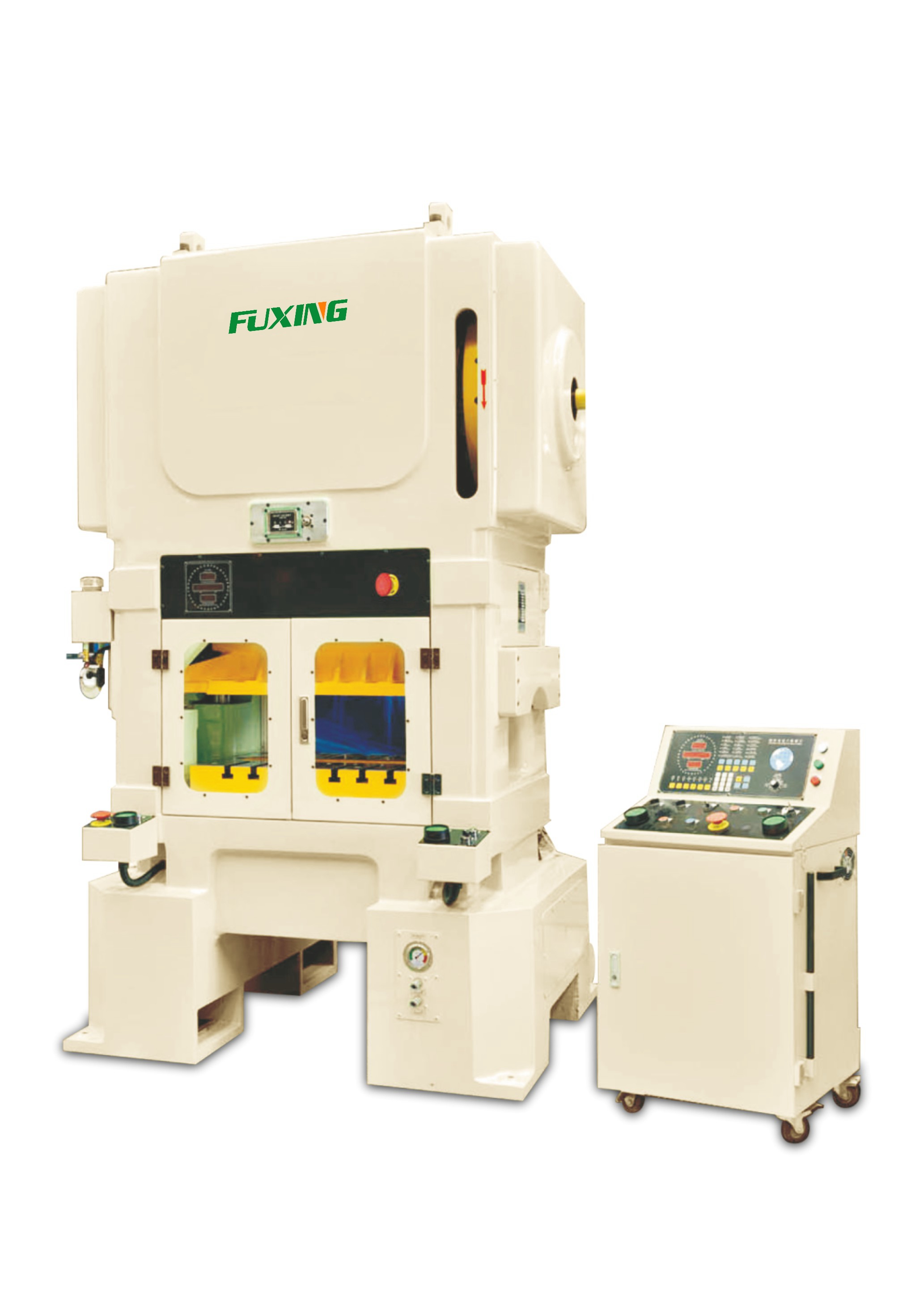
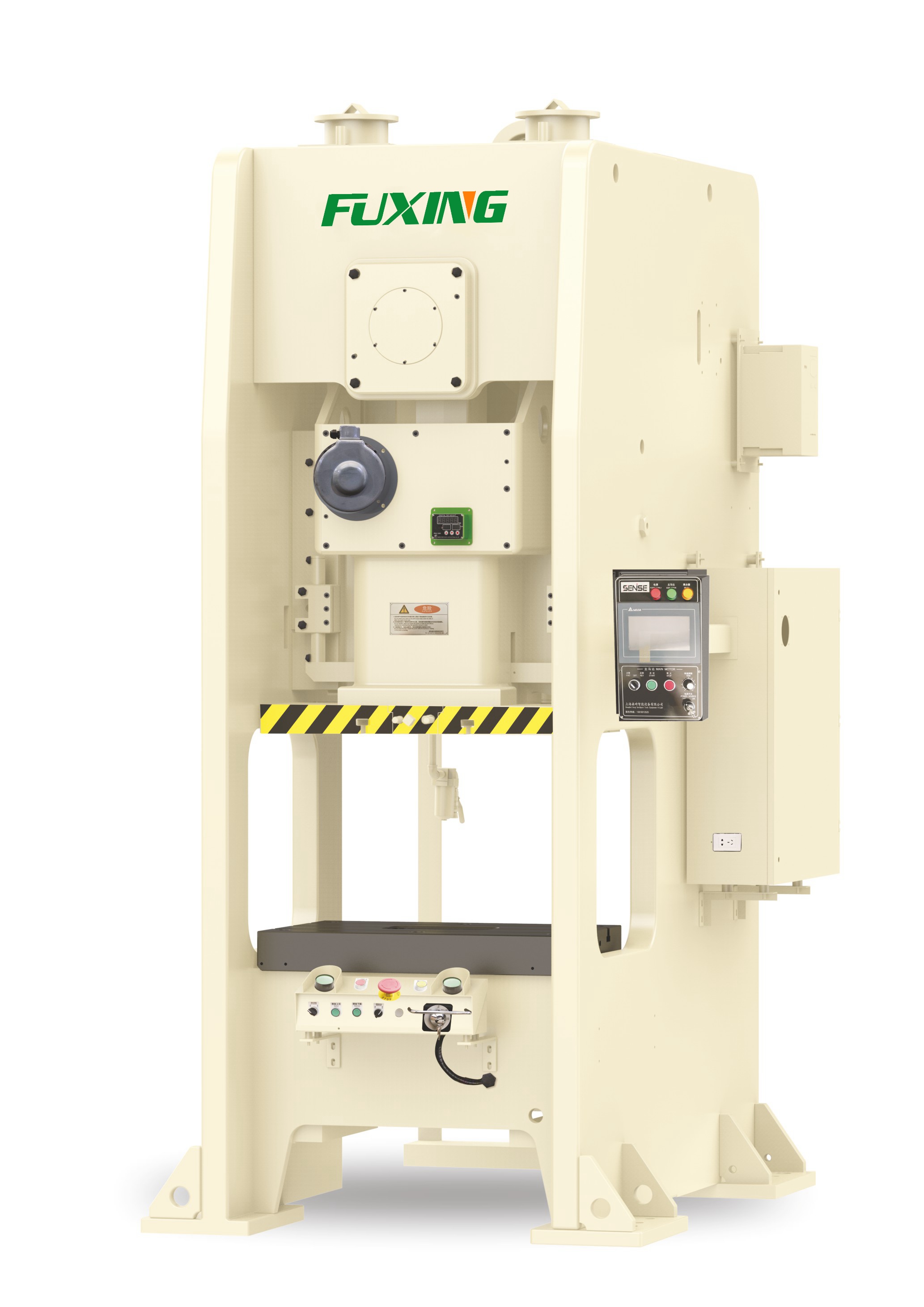
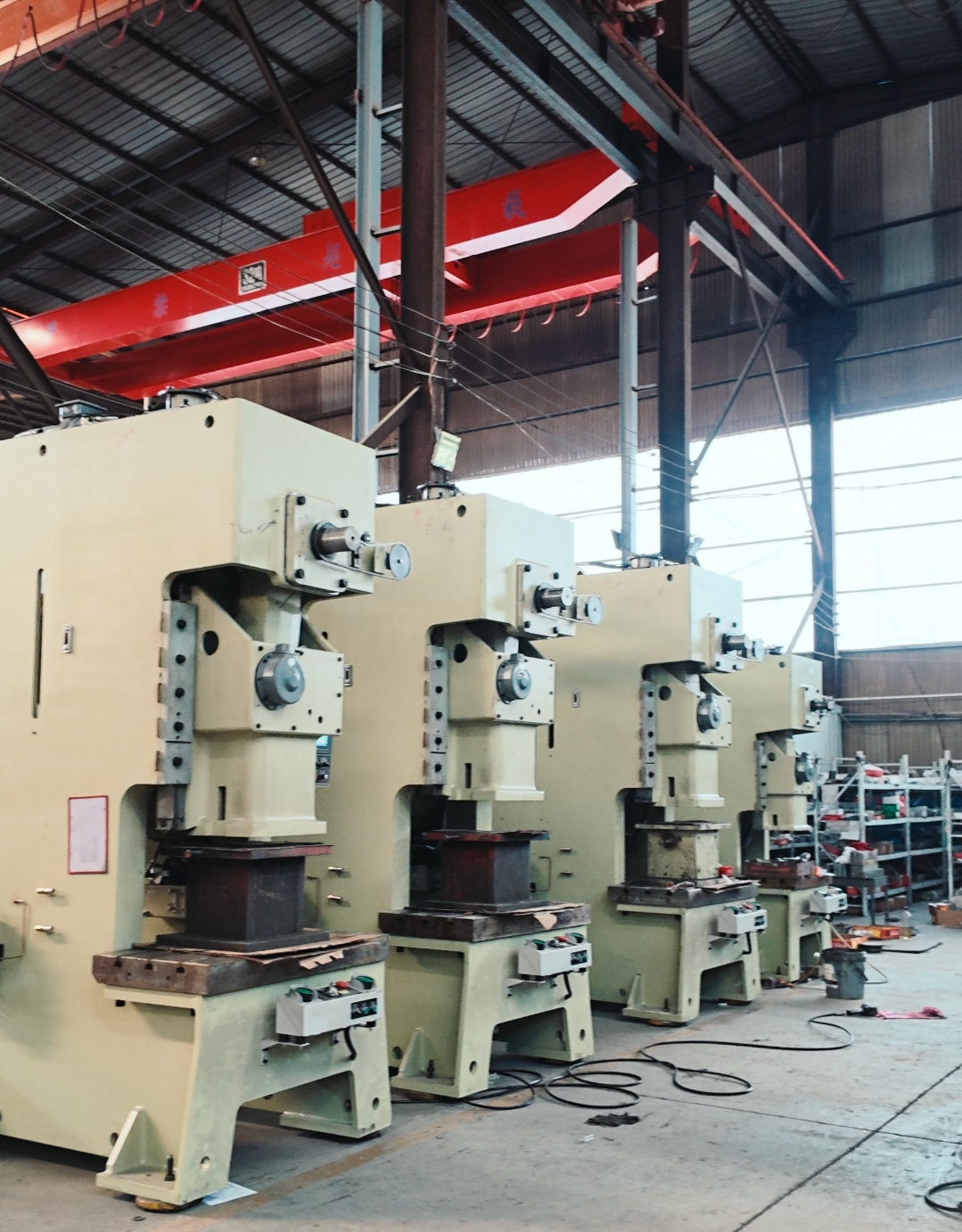
A C-frame press—also known as an open-type press—is a widely used power press in the metal forming industry. Named after its frame shape resembling the letter “C”, this structure provides three open sides, making die changes, workpiece loading/unloading, and finished product removal extremely convenient. It is an essential piece of equipment for mass production of small to medium-sized metal parts.
Compared to other press structures, C-frame presses offer a balanced combination of cost efficiency, operational flexibility, and production capacity. They are extensively applied in automotive parts manufacturing, home appliances, hardware products, and electronic stamping industries.
For more high-performance C-frame press solutions, visit https://www.fuxingmachinery.com/. We provide a full range of services from standard models to fully customized solutions.
2. Structural Features of a C-Frame Press
C-Frame Structure
Made from high-strength cast iron or high-grade steel plates, stress-relieved through annealing and aging treatments.
Rigid and vibration-resistant, ensuring stability and precision during stamping.
Ram / Slide System
Driven by a crank and connecting rod mechanism for smooth motion.
Equipped with precise adjustment mechanisms for quick slide stroke modifications according to die height.
Bolster Plate
High machining accuracy with strong load-bearing capacity.
T-slots provided for easy installation of dies, jigs, or automation devices.
Power System
Modern C-frame presses typically use a direct-drive motor with pneumatic clutch and brake systems for accurate start-stop control.
High energy efficiency with reduced noise and vibration.
Control System
Options for PLC control, HMI operation, and automatic feeding systems, enabling unmanned production.
Safety features include light curtains, two-hand buttons, and emergency stops.
3. C-Frame Press vs. H-Frame Press
| Comparison Item | C-Frame Press | H-Frame Press (Straight-Side Press) |
|---|---|---|
| Frame Structure | Open-sided “C” shape | Closed “H” shape frame |
| Operating Space | Flexible for die/workpiece handling | Suitable for large dies/workpieces |
| Floor Space | Smaller, flexible layout | Larger footprint |
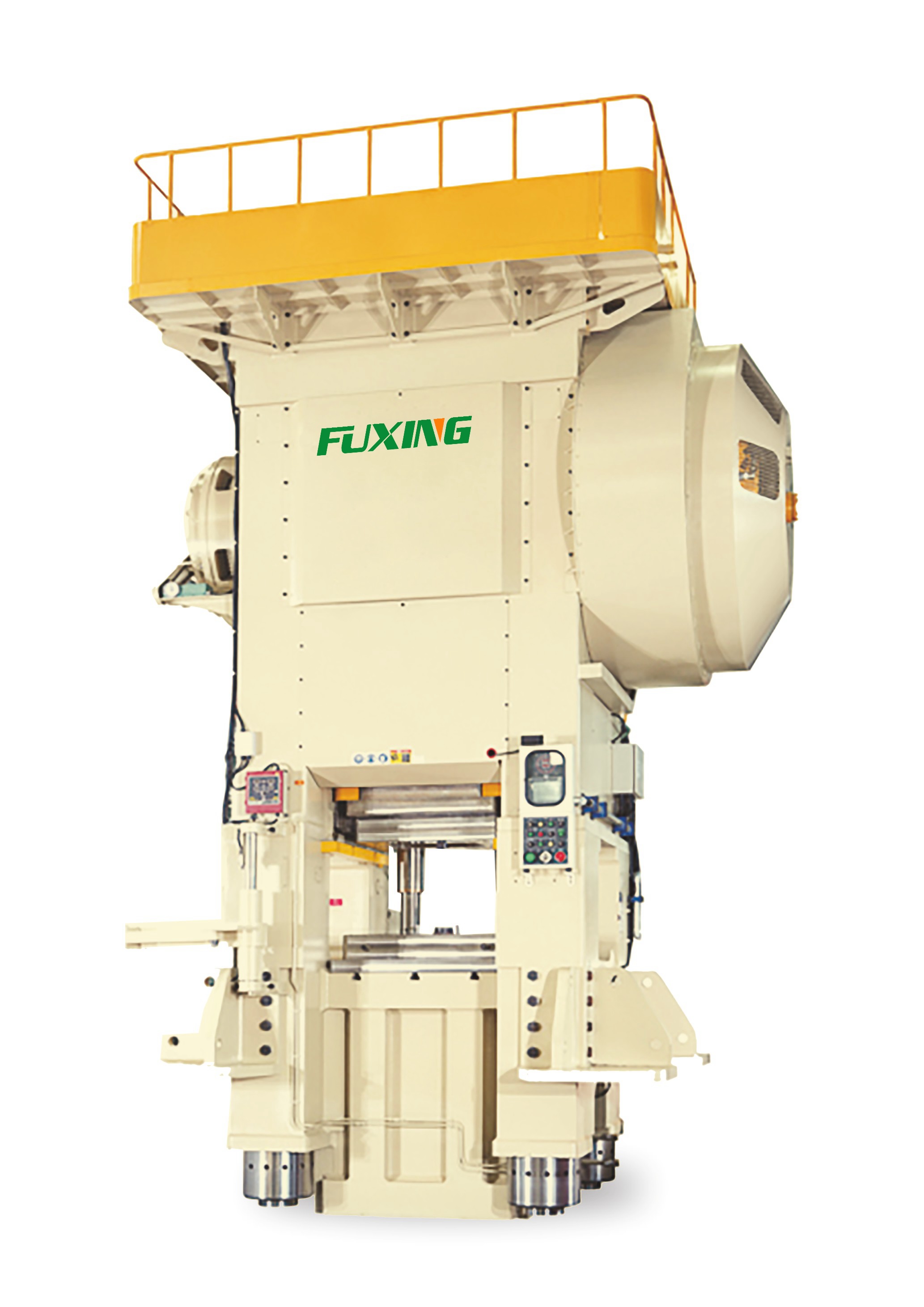
| Rigidity & Precision | Ideal for small/medium tonnage | Higher rigidity for large tonnage |
| Typical Uses | Punching, shearing, small drawing | Large drawing, thick plate forming |
| Cost | Relatively lower | Relatively higher |
If your production mainly involves small to medium-sized parts and frequent die changes, a C-frame press is the more economical and efficient choice. For more details, visit https://www.fuxingmachinery.com/.
4. Pneumatic Press vs. Mechanical Press
Mechanical Press
Drive Method: Motor + Flywheel + Mechanical Clutch
Advantages: Simple structure, easy maintenance, low cost
Disadvantages: Higher noise, slower start/stop response
Pneumatic Press
Drive Method: Motor + Flywheel + Pneumatic Clutch & Brake
Advantages: Quick start/stop, higher safety, suitable for automation
Disadvantages: Requires compressed air system, slightly higher initial investment
Today, most mid-to-high-end C-frame presses adopt pneumatic drive with PLC and automatic feeding systems to significantly improve efficiency and safety.
5. Industry Applications
Automotive Parts Manufacturing
Punching: door panels, brackets, reinforcement ribs
Bending: body frame components, small brackets
Home Appliance Production
Metal casing stamping: refrigerator panels, washing machine shells
Internal frame and part forming
Hardware Tools Manufacturing
Steel rulers, screwdriver handles, hand tool components
Electronics Component Processing
Connectors, shielding covers, metal housings
6. Purchasing & Selection Guide
Press Capacity (Tonnage): Select according to material thickness and forming process (commonly 25–300 tons).
Throat Depth: Determines the maximum workpiece size.
Stroke & Stroke Per Minute (SPM): Affects processing speed and applicable processes.
Bolster Size & Die Mounting: Impacts production flexibility.
Automation Level: Options for feeders, stacking devices, or robotic arms.
Safety Features: Light curtains, two-hand controls, emergency stops.
At https://www.fuxingmachinery.com/, you can speak directly with our engineers to customize the most suitable C-frame press solution for your production needs, ensuring the best return on investment.
7. Maintenance & Care Tips
Lubrication System Check: Keep the slide, crank, and guideways well-lubricated.
Clutch & Brake Inspection: Ensure quick and reliable start/stop.
Frame Inspection: Prevent cracks or deformation.
Precision Calibration: Maintain slide-to-bolster parallelism.
Electrical & Pneumatic System Maintenance: Avoid downtime caused by aging wires or insufficient air pressure.
8. Conclusion
C-frame presses, with their compact structure, easy operation, competitive cost, and versatile processing capabilities, have become one of the most widely used presses in the metal forming industry.
Whether for small-batch production or continuous automated manufacturing, C-frame presses deliver stable, efficient, and precise performance.
Choosing a reliable press manufacturer is an investment in your production efficiency and product quality.
Visit https://www.fuxingmachinery.com/ to explore our full range of C-frame press products and custom solutions, and make your production line stand out in the competitive market.