Welcome to Shandong Fuxing Machinery Co., Ltd.
Comprehensive Analysis of Mechanical Press Advantages and Disadvantages
— Technical Article Provided by Fuxing Machinery (www.fuxingmachinery.com)
Mechanical presses are among the most widely used and long-standing metal forming machines in the stamping industry. Whether in hardware manufacturing, automotive parts, home appliance sheet metal, electronics, or general metal stamping, the mechanical press plays an essential role in large-scale production.
With the continuous development of modern manufacturing toward automation, higher accuracy, and greater efficiency, many factories are reassessing their equipment needs. Understanding the strengths and limitations of mechanical presses is crucial for engineers, production managers, and company decision-makers.
This article provides a professional, in-depth breakdown of the advantages and disadvantages of mechanical presses to help you make a more informed and scientific choice.
This technical article is organized by Fuxing Machinery — a professional manufacturer of open-type, closed-type, and high-precision mechanical presses, offering complete stamping automation lines.
🌐 Official Website: www.fuxingmachinery.com
1. Working Principle of a Mechanical Press: Why It Is Fast and Reliable
A mechanical press operates using a crank-slider mechanism. The motor drives the flywheel, which stores energy and transmits it through the clutch to the crankshaft, connecting rod, and slide block to complete the stamping action.
Key characteristics include:
Fixed motion curve
Maximum pressure near the bottom dead center
High-speed, instantaneous stamping
Very suitable for continuous mass production
Because of its mature structure and standardized parts, the mechanical press remains the dominant machine in over 80% of stamping factories.
2. Major Advantages of Mechanical Presses (6 Key Benefits)
1. High Strokes Per Minute — Excellent Productivity
A mechanical press’s biggest advantage is speed.
Typical stroke rates:
40–120 SPM (standard presses)
200–800 SPM (high-speed models)
Ultra-high-speed precision presses: up to 1200 SPM or more
The higher the speed, the lower the cost per piece, making mechanical presses ideal for high-volume manufacturing, such as hardware parts, terminals, brackets, and automotive components.
2. Stable Accuracy and Excellent Repeatability
Mechanical presses are naturally stable due to their rigid transmission system.
Slide repeatability typically reaches:
0.01–0.03 mm
This is critical for industries requiring uniform and precise components, such as motor laminations, automotive parts, and precision metal hardware.
3. Mature Technology, Easy Maintenance, High Reliability
Advantages include:
Low failure rate
Widely available spare parts
No hydraulic system maintenance
No risk of oil leakage
Easy to train new operators
Mechanical presses offer the lowest maintenance cost among all stamping equipment, which is extremely valuable to medium and large-scale factories.
4. Low Investment Cost with High Return on Investment
Compared with servo or hydraulic presses:
Lower initial purchase cost
Lower operating cost
Lower maintenance cost
For factories prioritizing cost-effectiveness, the mechanical press is almost always the first choice.
5. Wide Application Range and Multiple Stamping Capabilities
Mechanical presses are versatile and can perform:
Blanking
Punching
Bending
Trimming
Flanging
Coining
Riveting
Shallow drawing
When integrated with automatic feeders and die protection systems, they can form high-efficiency automated stamping lines.
For example, Fuxing Machinery’s open-type presses + automatic feeders + die protection systems are widely used in the Middle East, India, Vietnam, etc., helping customers increase efficiency by 3–7 times.
6. Excellent Compatibility with Automation
Due to their consistent speed and cycle, mechanical presses work seamlessly with:
3-in-1 decoiler–straightener–feeder
NC servo feeders
Robotic loading/unloading systems
Stamping robots
Die monitoring systems
For factories upgrading to automation, the mechanical press remains the most economical and reliable core machine.
3. Main Disadvantages of Mechanical Presses (4 Natural Limitations)
1. Fixed Force Curve — Not Suitable for Deep Drawing
Mechanical presses generate peak force only near the bottom dead center.
Therefore, they are not ideal for:
Deep drawing
Processes requiring constant pressure
Thick plate slow forming
Complex forming operations
For these cases, hydraulic or servo presses are more appropriate.
2. Higher Noise and Vibration Levels
During impact, mechanical presses generate:
Significant noise
Noticeable vibration
If the foundation is insufficient, issues may include:
Increased burrs
Reduced die life
Equipment resonance
Though modern presses use damping systems, impact noise is still unavoidable.
3. Fixed Stroke — Less Flexible Than Servo Presses
Servo presses can:
Adjust stroke length freely
Modify speed at any point
Pause at specific positions
Execute soft forming
Mechanical presses cannot offer this level of flexibility, which may limit certain complex or high-precision processes.
4. Higher Safety Risks — Requires Strict Protection
Due to high speed, accidental hand entry into the danger zone can cause severe injury.
Therefore, mechanical presses MUST be equipped with:
Two-hand control
Light curtains
Die safety monitoring
Pneumatic balancing system
Emergency stop circuits
Fuxing Machinery integrates multiple safety systems in its machines to meet international safety standards, especially suitable for Middle Eastern and Indian factories.
4. Is a Mechanical Press Suitable for Your Factory? Practical Guidelines
✔ Mechanical presses are ideal for:
High-volume production
Punching, blanking, bending
Speed-critical processes
Cost-sensitive factories
Automated stamping lines
Thin-sheet metal components
Common industries include hardware, home appliances, electronics, automotive parts, and general stamping.
✘ Mechanical presses are NOT ideal for:
(Choose hydraulic/servo instead)
Deep drawing
Thick plate forming
Slow heavy-tonnage forming
Precision forming requiring special motion profiles
Difficult materials (stainless steel deep draw, aluminum draw, etc.)
5. Practical Selection Advice Based on Factory Needs
👉 Limited budget + mass production = Choose Mechanical Press
Best cost-performance ratio.
👉 Deep drawing or complex forming = Choose Hydraulic or Servo Press
Better pressure control and die protection.
👉 Building an automated line = Mechanical Press Still Recommended
Fast, stable cycles and high repeatability.
6. Professional Solutions from Fuxing Machinery
As a specialized Chinese stamping equipment manufacturer,
Fuxing Machinery offers:
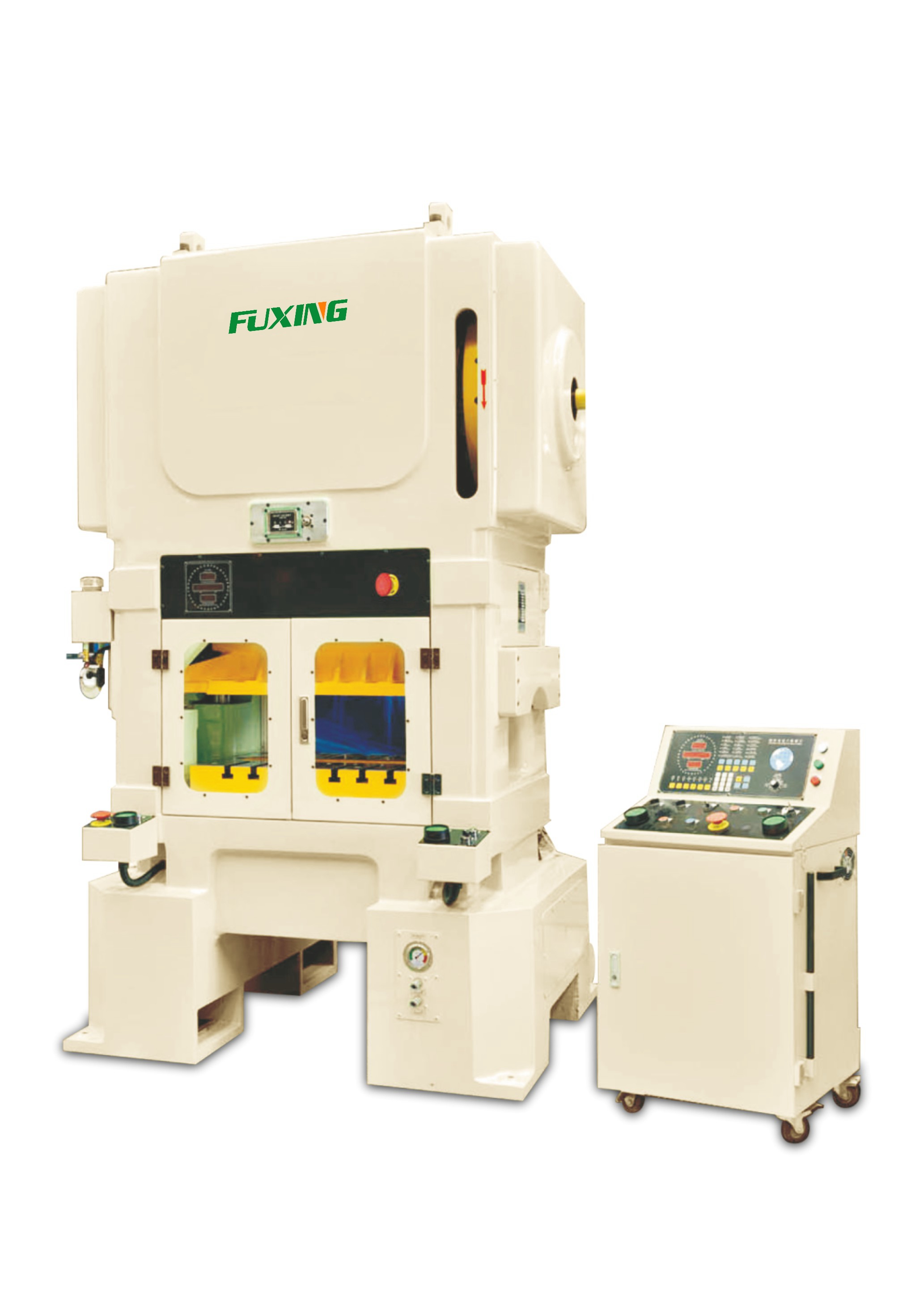
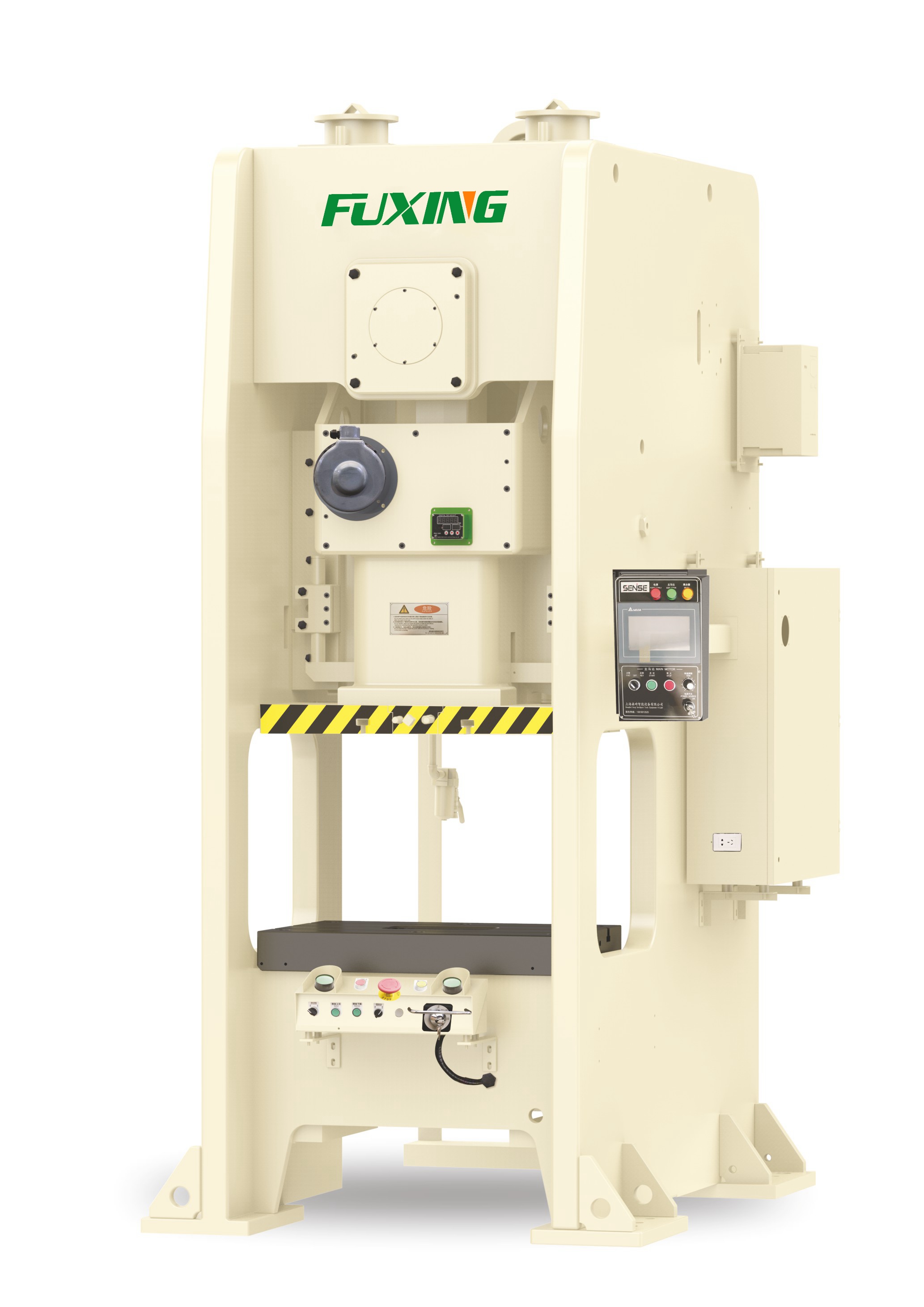
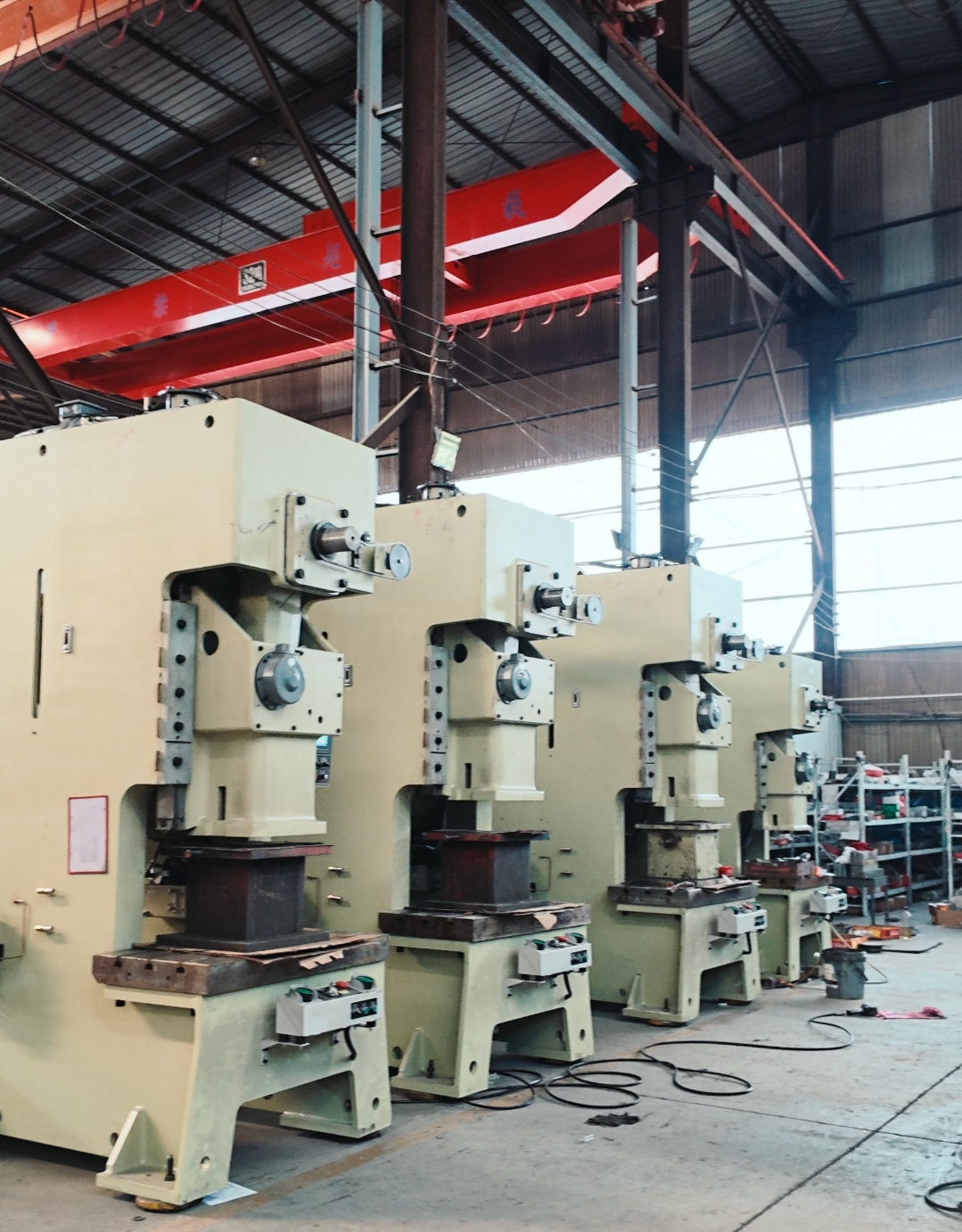
Open-type mechanical presses (25–400 tons)
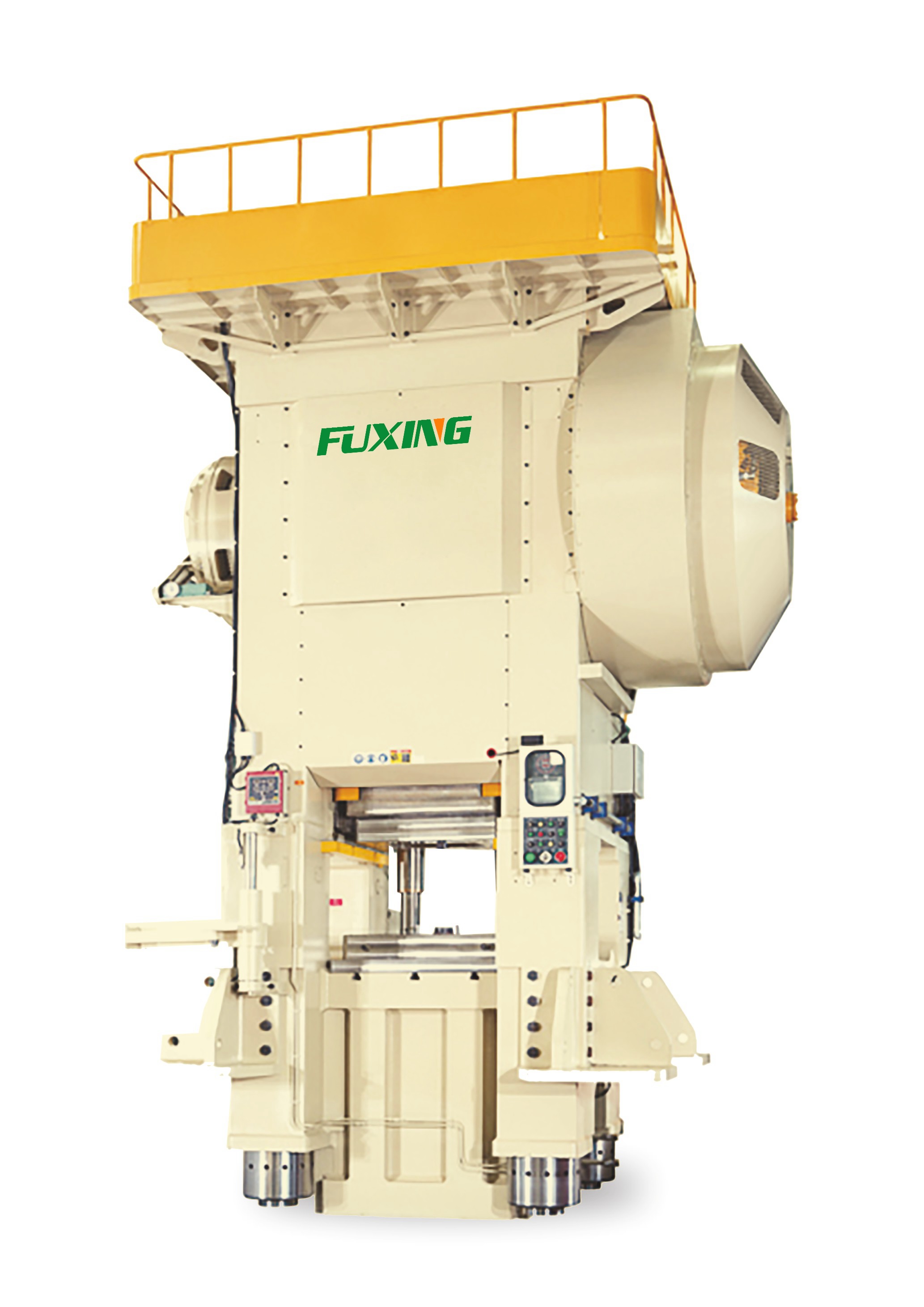
Closed-type mechanical presses (110–600 tons)
High-precision mechanical presses
Pneumatic presses
Complete stamping automation lines
3-in-1 feeders, NC feeders, straighteners
Customized solutions for Middle East, Southeast Asia & Africa
Visit our website for specifications, solutions, and quotations:
🌐 www.fuxingmachinery.com