Welcome to Shandong Fuxing Machinery Co., Ltd.
What Is a Crank Press? A Comprehensive Guide to the Powerhouse Behind Metal Forming
In today’s manufacturing world, the crank press stands as one of the most widely used and reliable types of metal forming equipment. From automotive structural parts to home appliance shells, from electronic terminals to kitchenware, the crank press plays a pivotal role on countless production lines.
But what exactly is a crank press? How does it work? Why is it so widely adopted in the stamping industry? In this article, we’ll take a deep dive into this essential machine—often referred to as the “workhorse of stamping.”
1. What Is a Crank Press?
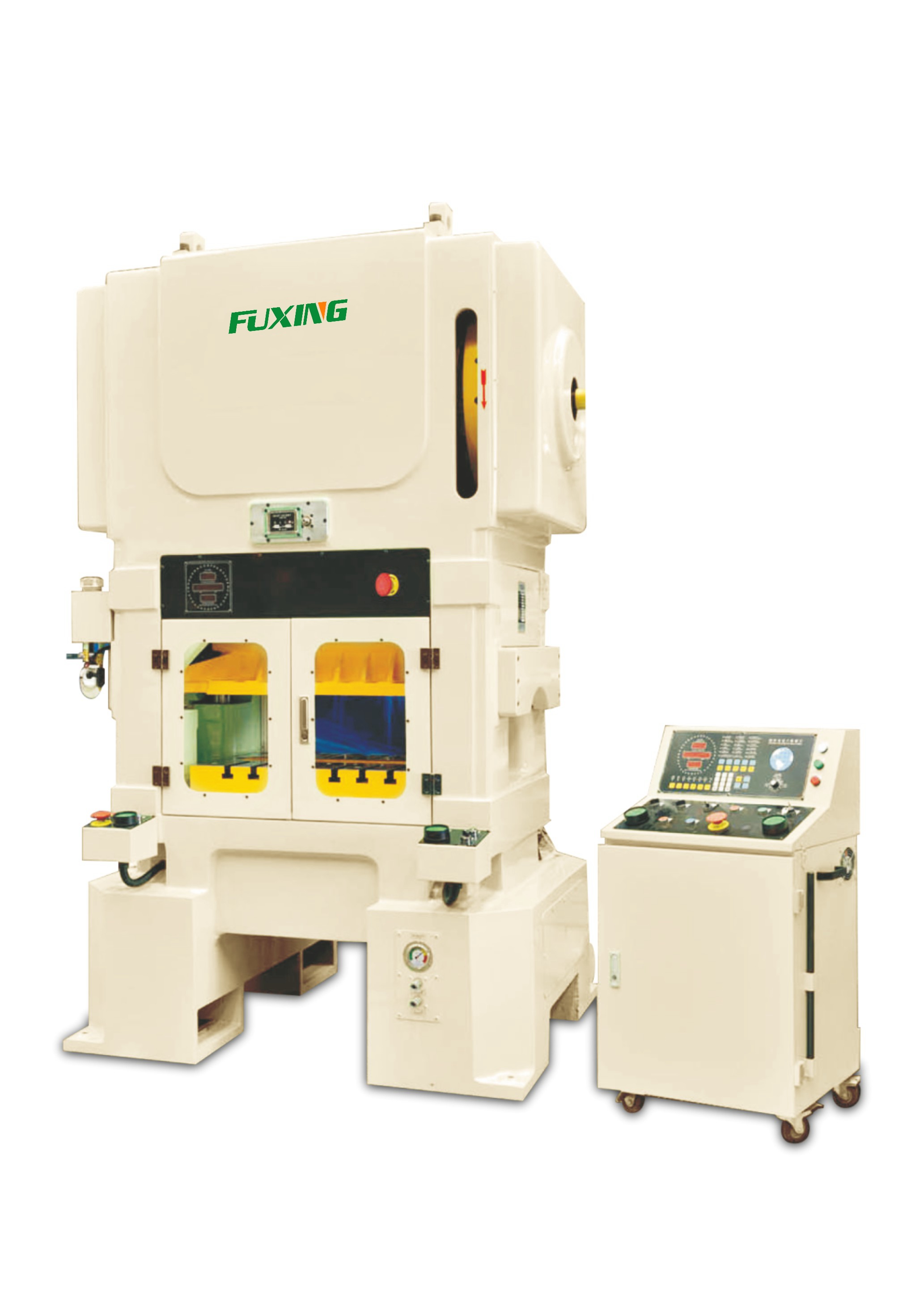
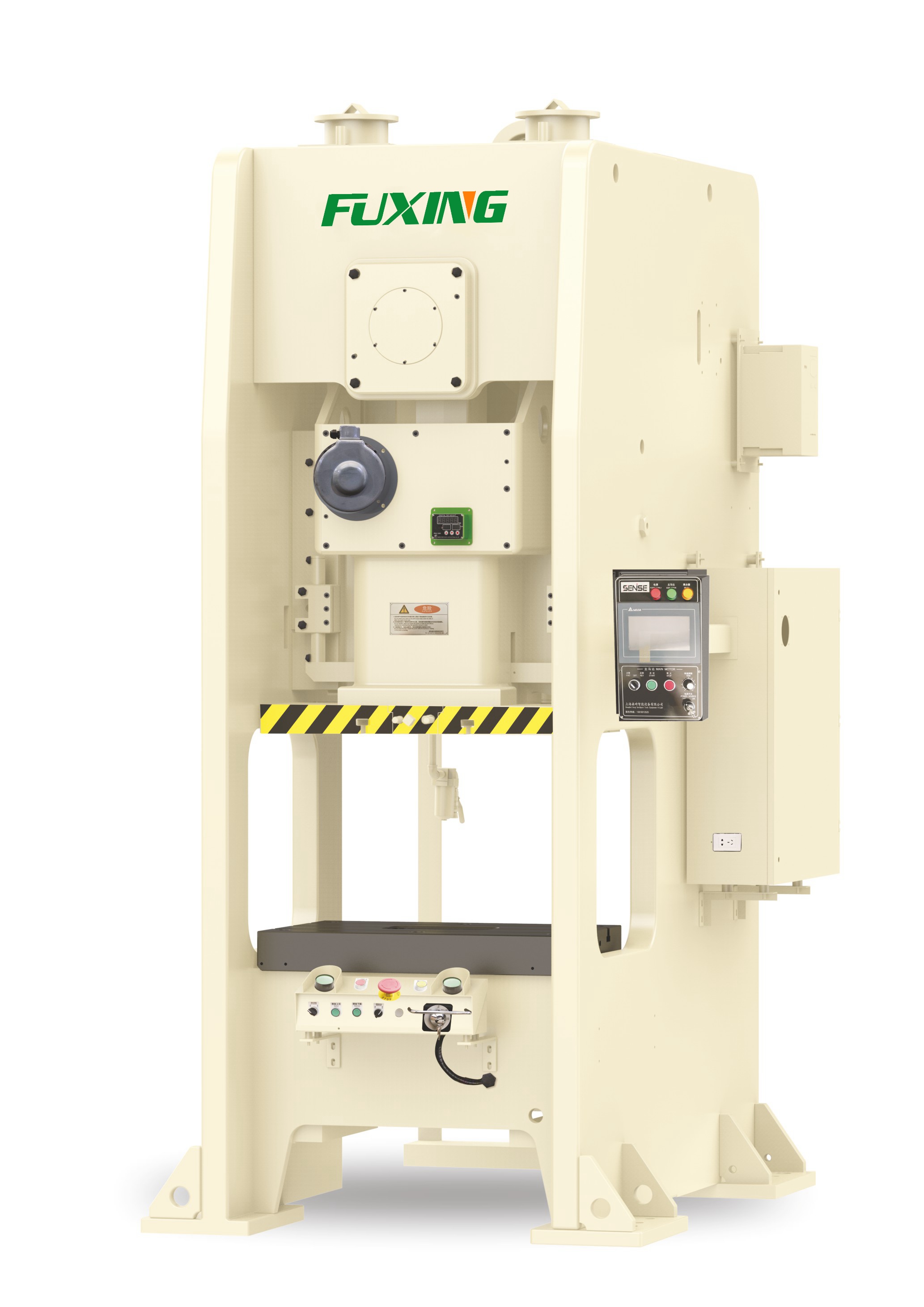
A crank press is a mechanical stamping machine that converts rotational motion from a motor into reciprocating linear motion using a crankshaft and connecting rod system. This vertical force is then used to perform various metal forming operations such as punching, shearing, blanking, embossing, and shallow drawing.
✅ In simple terms:
While a hydraulic press uses slow, steady pressure and a servo press offers precision via electronic control, a crank press delivers fast, accurate, and consistent stamping power—perfect for medium- to high-volume production.
2. Key Components of a Crank Press
A standard crank press includes the following major parts:
Frame
Supports the entire machine. It can be C-frame (open type) or H-frame (closed type).Crankshaft
Converts rotational energy into eccentric motion and drives the press stroke.Connecting Rod
Connects the crankshaft to the slide (ram), transforming circular motion into linear motion.Slide (Ram)
Moves up and down to transmit force to the die for metal forming.Die Set
Mounted between the slide and the bolster; defines the final shape of the part.Clutch & Brake
Controls the start and stop of the press stroke, ensuring safety and precision.Control System
Operates the press in different modes: inching, single stroke, or continuous run.
High-end models often feature light curtain safety devices, automatic lubrication, die height adjustment, and tonnage monitors for better performance and safety.
3. Types of Crank Presses and Their Applications
Depending on structure and purpose, crank presses can be categorized as follows:
| Type | Key Features | Common Applications |
|---|---|---|
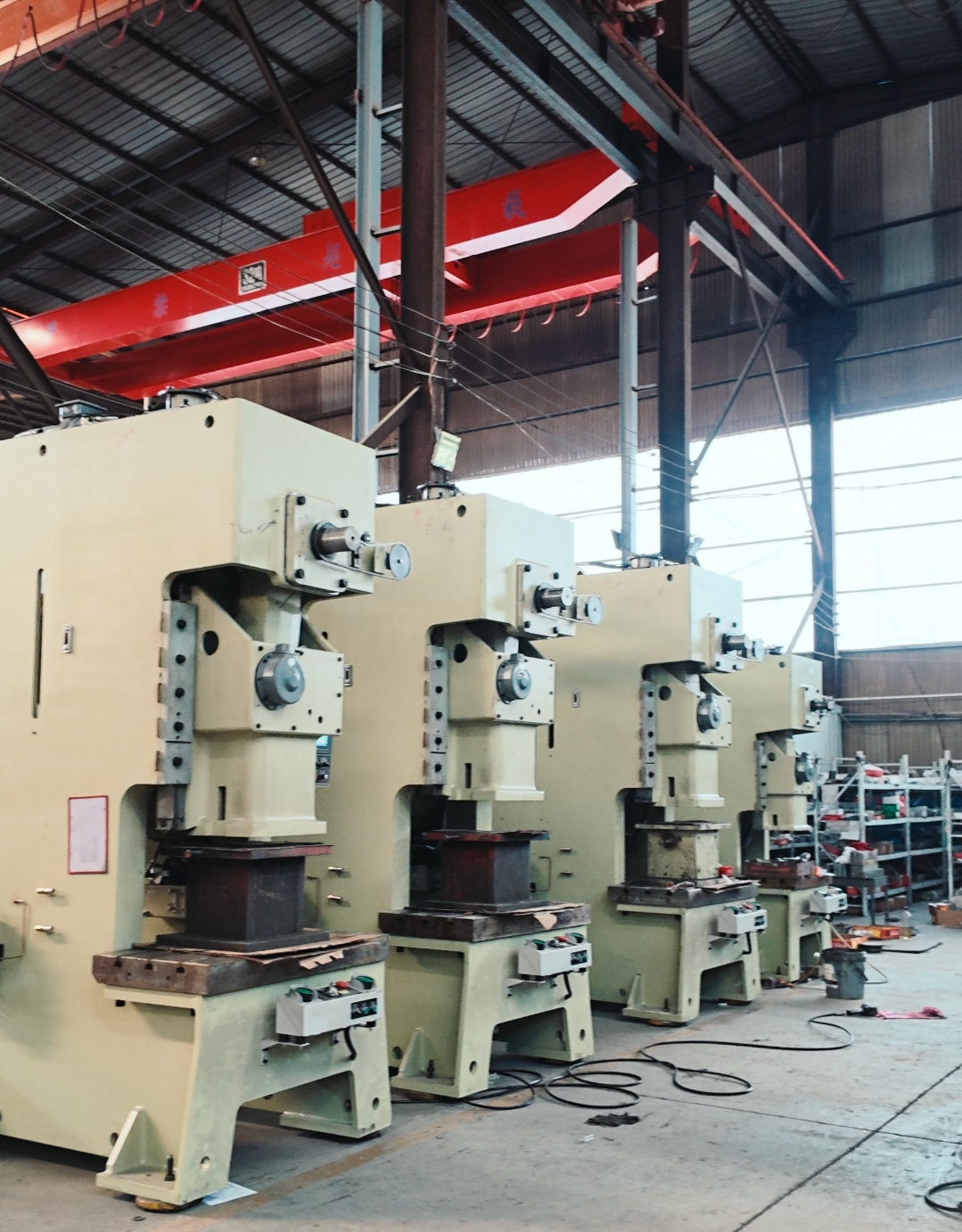
| Single Crank Press | One crankshaft, compact structure | Electrical parts, home appliance metal covers |
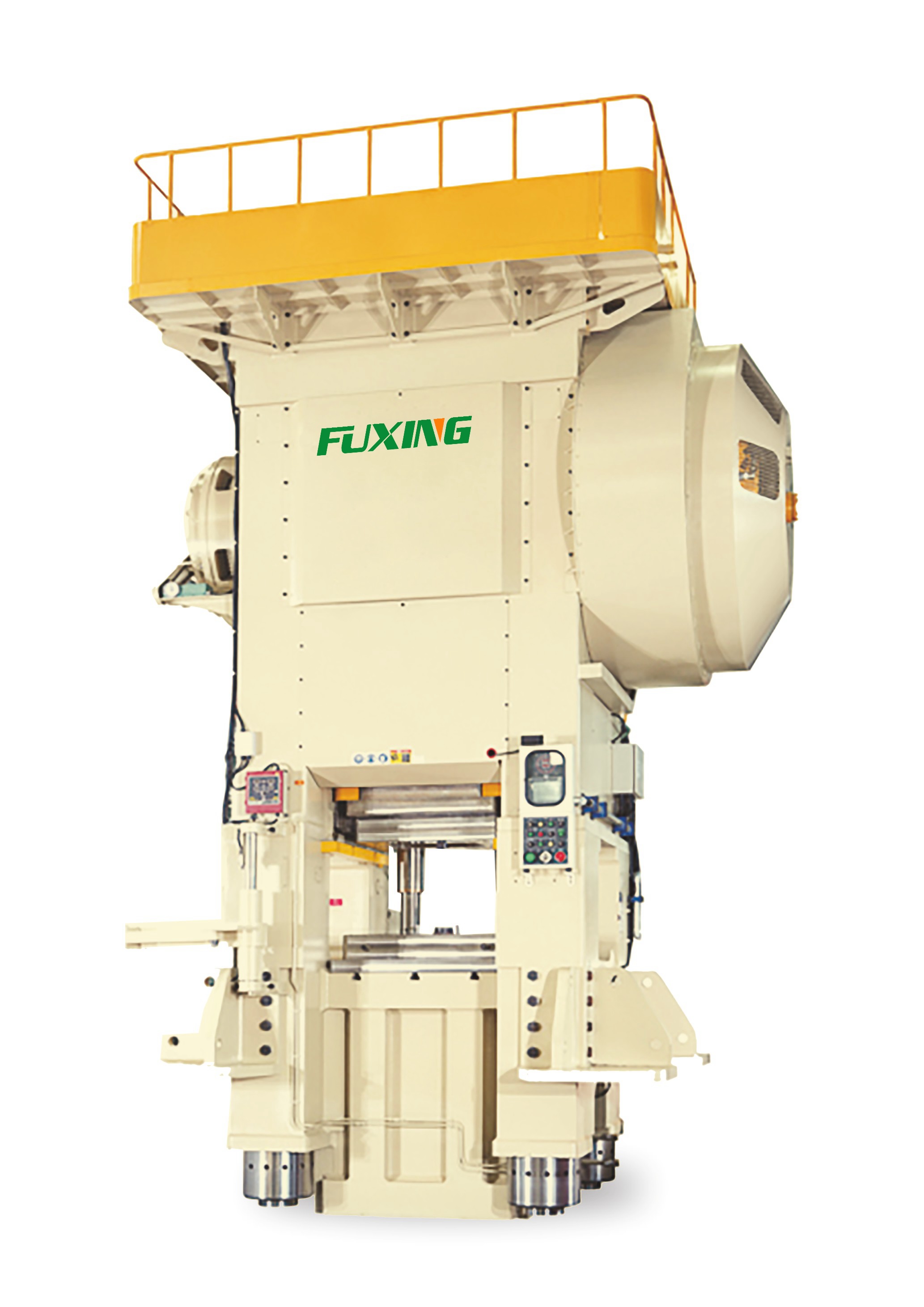
| Double Crank Press | Two crankshafts for large dies and heavy loads | Car doors, refrigerator panels |
| High-Speed Press | 200–1000 SPM, ideal for continuous precision stamping | Electronic terminals, phone cases |
| Pneumatic Press | Fast response with air clutch & brake, safer operation | Automated lines, shallow drawing |
| Precision Press | High rigidity, excellent slide accuracy | Automotive welding parts, structural components |
4. Why Choose a Crank Press?
Proven Technology, Low Failure Rate
Time-tested mechanical design with simple maintenance.High Repeat Accuracy
Consistent slide movement for progressive and compound dies.Fast Stamping Speed
High production efficiency for large-batch orders.Material Flexibility
Works with cold-rolled steel, stainless steel, aluminum, etc.Automation Compatible
Easily integrated with feeders, robots, and conveyors.Excellent Cost-Performance Ratio
Lower investment and maintenance costs than hydraulic or servo presses.
5. Common Applications Across Industries
Whether in traditional metal workshops or advanced manufacturing facilities, crank presses are widely used:
🏎 Automotive: Door frames, beams, floor panels, cross members
🏠 Home Appliances: Metal panels for air conditioners, washers, refrigerators
📱 3C Electronics: Precision terminals, phone housings, heat sinks
🛠 Hardware: Scissors, hinges, hand tools, brackets
🍳 Kitchenware: Pot bottoms, embossed surfaces, deep drawing
⚙ General Fabrication: Control boxes, enclosures, lighting components
6. How to Choose the Right Crank Press?
To select the most suitable crank press for your production, consider:
Tonnage Requirement
Based on the max force needed for your forming process (commonly 25T to 600T)Stroke Length & Speed (SPM)
Determines production cycle and die compatibilityDie Size & Bolster Dimensions
Ensure enough workspace for your toolingPrecision Needs
High-rigidity presses are recommended for critical tolerance partsAutomation Integration
Plan ahead for coil feeders, robots, and conveyors if neededAfter-Sales Support
A reliable supplier should offer spare parts, technical support, and training
If you’re unsure about the specifications, feel free to send us your part drawings or samples. Our engineers will assist with model selection and system planning—free of charge.
✅ Professional Crank Press Supplier: FUXING MACHINERY
As a leading press machine manufacturer in China, FUXING MACHINERY has over a decade of experience in R&D and exporting metal stamping equipment. We serve customers in more than 30 countries, offering high-performance crank press solutions tailored to your specific needs.
We support OEM / ODM customization, turnkey lines, die integration, automation upgrades, and full factory layout design—helping you build efficient, reliable stamping systems for long-term success.
🌐 Global Customer Support
Free 3D CAD models, sample video demos
CE, ISO-compliant machines available
Pre-sales consulting and after-sales technical service
Multilingual support team for seamless communication
📍 Learn more about our solutions and case studies at:
🌐 www.fuxingmachinery.com
📧 Email: [email protected]
📱 WhatsApp/WeChat: +86 15866275300
💬 Get in touch today—we look forward to helping you build a smart, high-efficiency press line that drives your business forward.