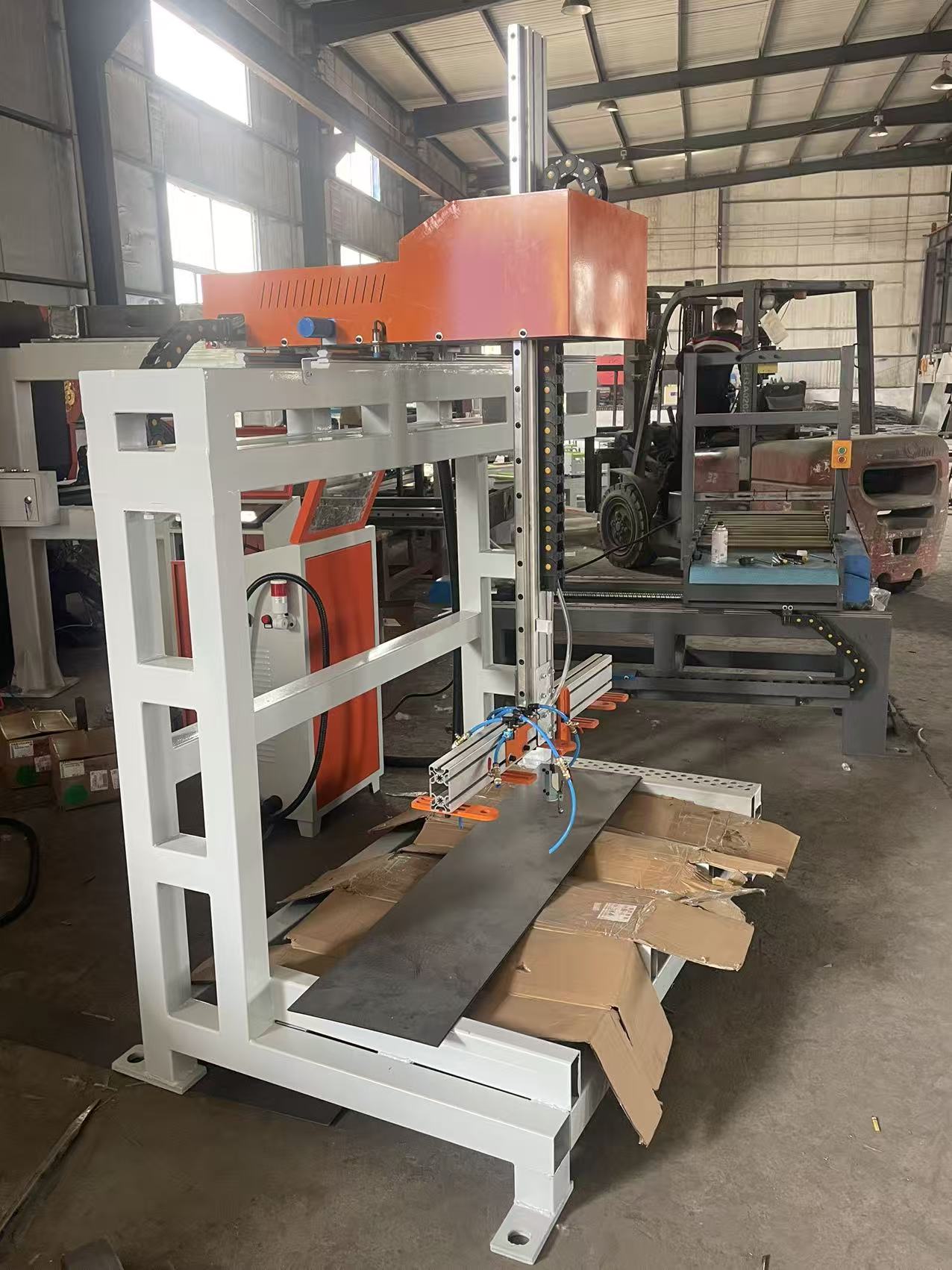
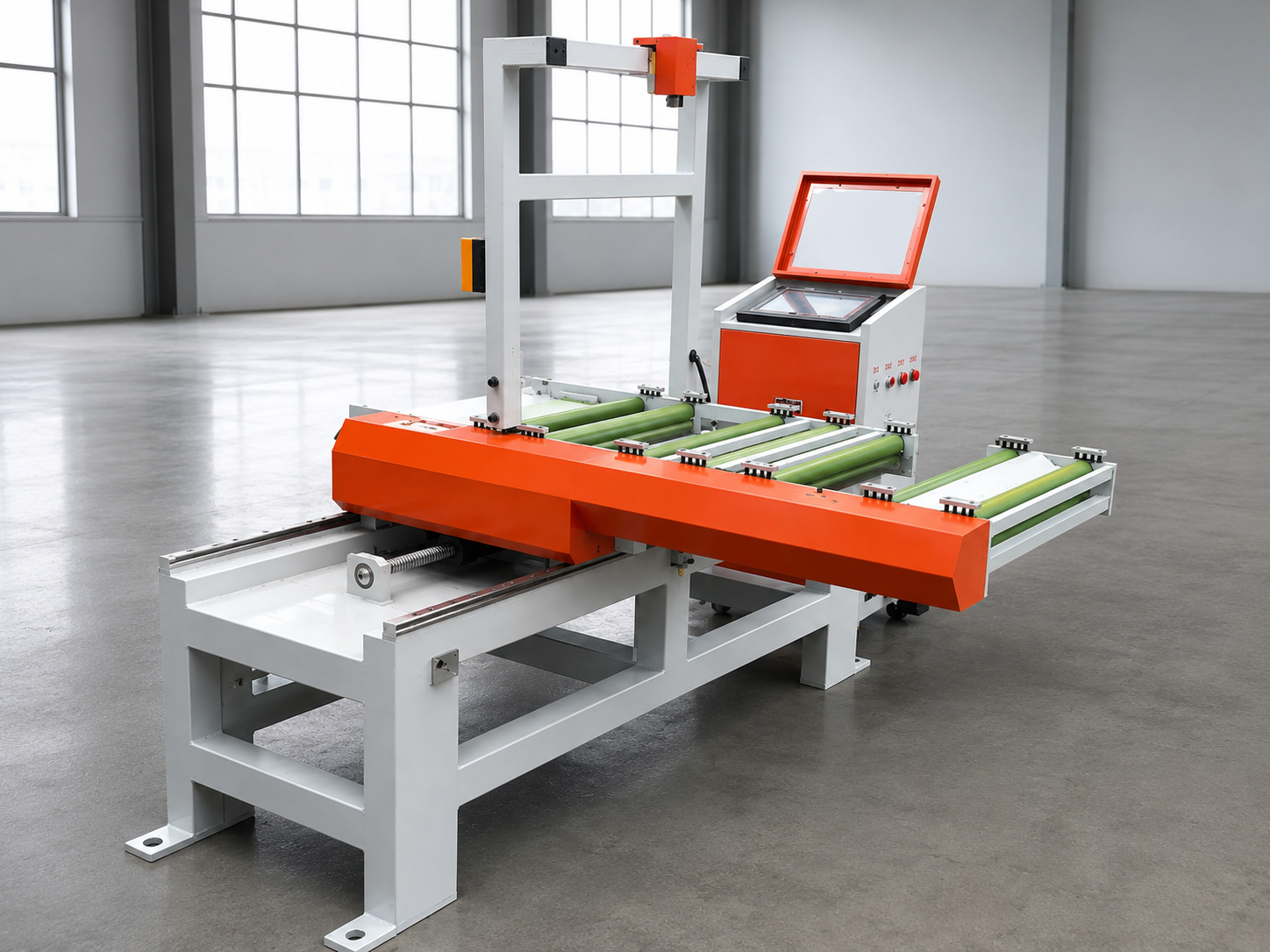
Welcome to Shandong Fuxing Machinery Co., Ltd.
CNC Punch Press: A Key Equipment in Modern Manufacturing
Introduction
With the rapid advancement of technology, modern manufacturing continues to innovate, adopting more efficient and precise production equipment to meet the growing demand for production. The CNC Punch Press, as an important processing device, is widely used in metalworking, automotive manufacturing, aerospace, electronics, and other industrial fields. Combining punching and computer numerical control (CNC) technology, the CNC Punch Press provides higher automation, precision, and efficiency for production.
This article will provide a detailed introduction to CNC Punch Press, including its definition, working principle, applications, advantages, and key factors to consider when choosing one. Additionally, it will introduce the high-quality CNC Punch Press solutions provided by Fuxing Machinery, helping you select the most suitable punching equipment.
What is a CNC Punch Press?
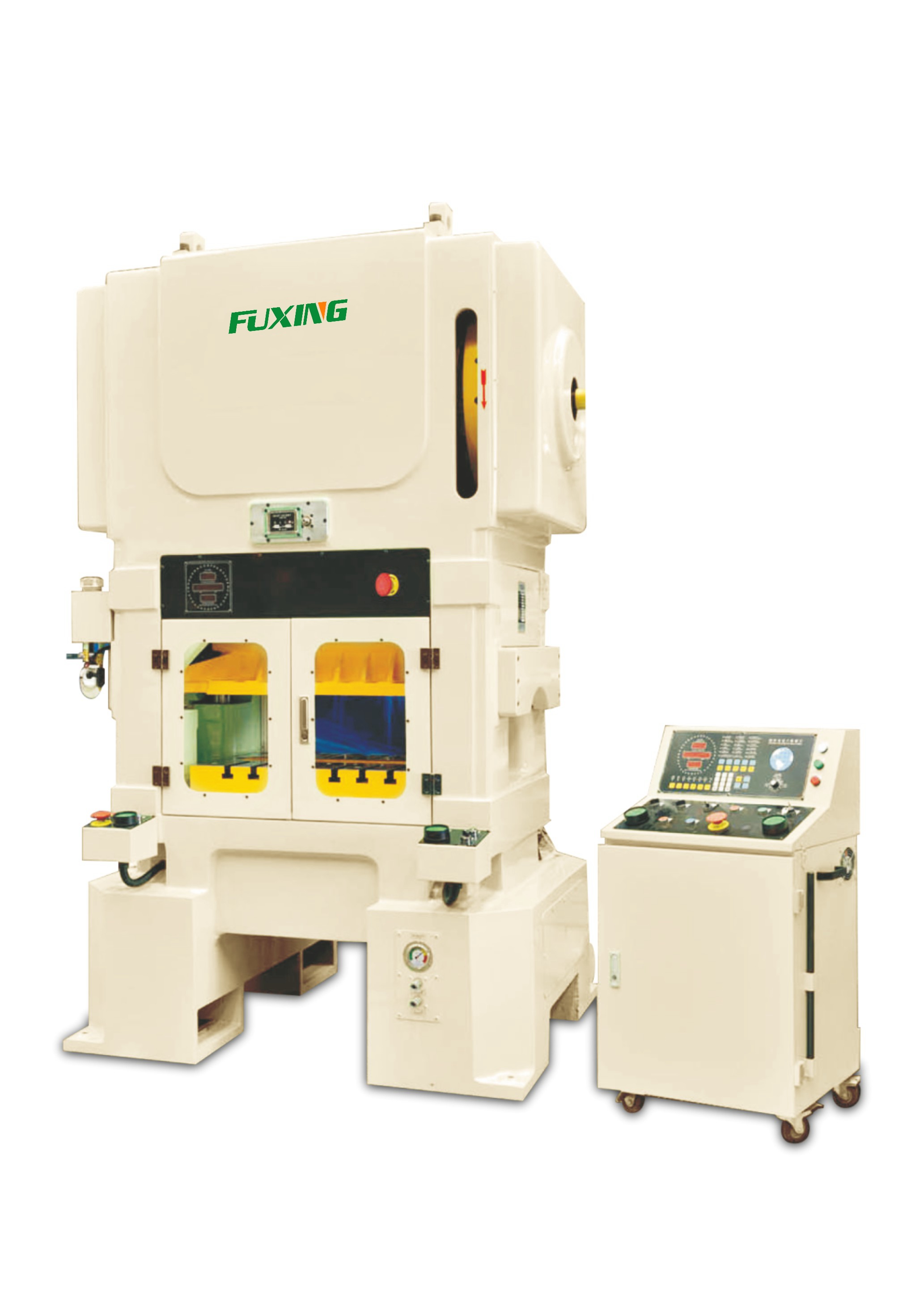
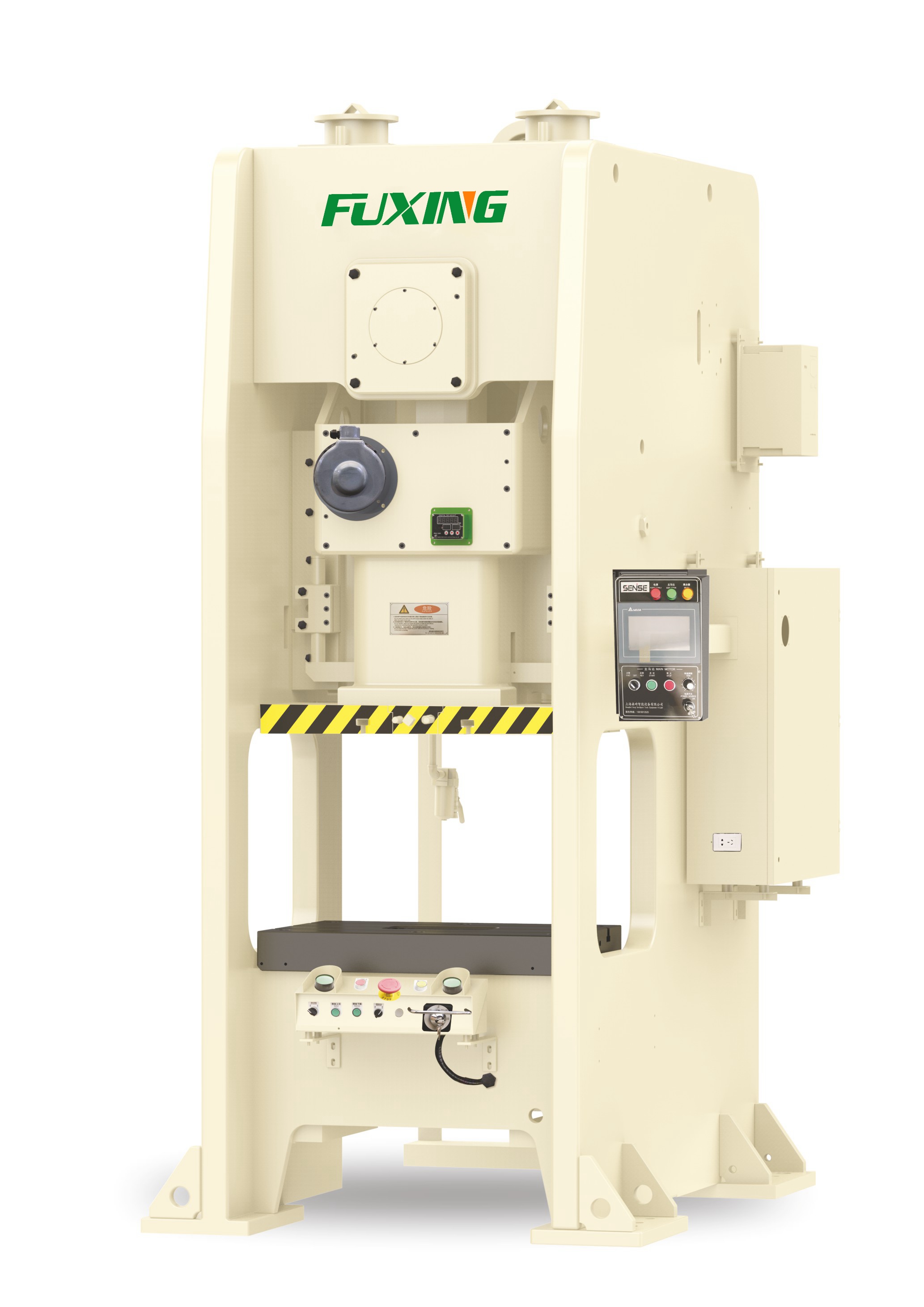
A CNC Punch Press, also known as a computer numerical control punch press, is a punching device controlled by CNC technology. It uses a die mounted on the machine to apply high pressure to punch metal sheets into the desired shapes. Unlike traditional manual or semi-automatic punching machines, CNC Punch Presses feature high automation capabilities and can precisely control the punching process through programming.
Key Components of a CNC Punch Press
Machine Body: The structural base that supports and stabilizes the punch press.
CNC System: Controls the movement of the punch press, typically inputted via computer programming.
Punch Head and Die: The punch head applies pressure to deform the metal sheet, performing cutting, punching, and other operations.
Worktable: Used to place workpieces and ensure their stability during processing.
Servo System: Drives the precise movement of the punch head, die, and other components via servo motors.
Working Principle of a CNC Punch Press
The working principle of a CNC Punch Press is relatively simple but relies on a high-precision CNC system. The typical working process involves the following steps:
Material Preparation: The metal sheet (usually steel, stainless steel, or aluminum) is placed on the worktable. The metal sheet may vary in thickness and hardness, so it must be selected based on the punch press requirements.
Program Input: The operator inputs the processing program via a computer, which can be generated using CAD/CAM software. This program controls the CNC Punch Press to perform various punching tasks, such as drilling, cutting, engraving, etc.
Punching Action: Once the CNC Punch Press receives the program instructions, the servo system drives the punch head to quickly press down, using the punch head and die to perform the required punching or cutting actions.
Quality Monitoring and Adjustment: The entire process is monitored by the CNC system, and if there is any error or deviation, the system automatically adjusts to ensure high precision in the final product.
Applications of CNC Punch Press
CNC Punch Presses, due to their high precision and efficiency, are widely applied in various industries. Some of the typical applications include:
Metalworking:
CNC Punch Presses are widely used in the metalworking industry, especially for punching, cutting, and forming metal sheets in large quantities. In these areas, the high precision and fast processing capabilities of CNC Punch Presses make them indispensable tools.Automotive Manufacturing:
In the automotive industry, CNC Punch Presses are used to manufacture body parts, chassis components, and more. Because these parts require precise dimensions and shapes, CNC Punch Presses ensure consistency through precise program control.Electronics Manufacturing:
CNC Punch Presses are often used in the production of electronic products, such as making precise housings, panels, and other components. These parts typically require high precision in hole placement and cutting lines, which can be accurately achieved with a CNC Punch Press.Aerospace:
Precision metalworking is critical in the aerospace industry. CNC Punch Presses can efficiently process various aerospace components, ensuring high precision and the ability to produce complex shapes.Appliance Manufacturing:
CNC Punch Presses are also widely used in the appliance industry, especially in the production of housings, brackets, and components for household appliances. Punch Presses not only improve production efficiency but also ensure the stability and consistency of the products.
Advantages of CNC Punch Press
CNC Punch Presses offer a range of advantages that make them essential tools in modern manufacturing. Here are the primary benefits:
1. High Precision
CNC Punch Presses are controlled by precise CNC systems, allowing them to perform tasks with micrometer-level precision. For industries with strict requirements, such as aerospace and automotive manufacturing, the precision of CNC Punch Presses is crucial.
2. High Efficiency
Once the program is inputted, CNC Punch Presses can perform punching, cutting, and other tasks quickly and automatically, significantly increasing production efficiency. For mass production, CNC Punch Presses can shorten production cycles considerably.
3. Flexibility
CNC Punch Presses are flexible and can adjust processing parameters based on different requirements. They are capable of producing complex shapes and handling a variety of materials and sheet thicknesses.
4. Reduced Labor Costs
Due to their high degree of automation, CNC Punch Presses require minimal human intervention. Operators mainly monitor and adjust the machine, significantly reducing labor costs. Furthermore, human error is minimized, improving the overall stability and quality of production.
5. Easy Integration
CNC Punch Presses can be seamlessly integrated with other production equipment, such as robots and laser cutting machines, to form highly automated production lines, enhancing overall production efficiency.
6. High Repeatability and Consistency
Every punching process in a CNC Punch Press maintains the same precision and quality, ensuring consistency in mass production and eliminating the deviation that may occur with traditional manual punching machines.
Fuxing Machinery: Providing High-Performance CNC Punch Presses
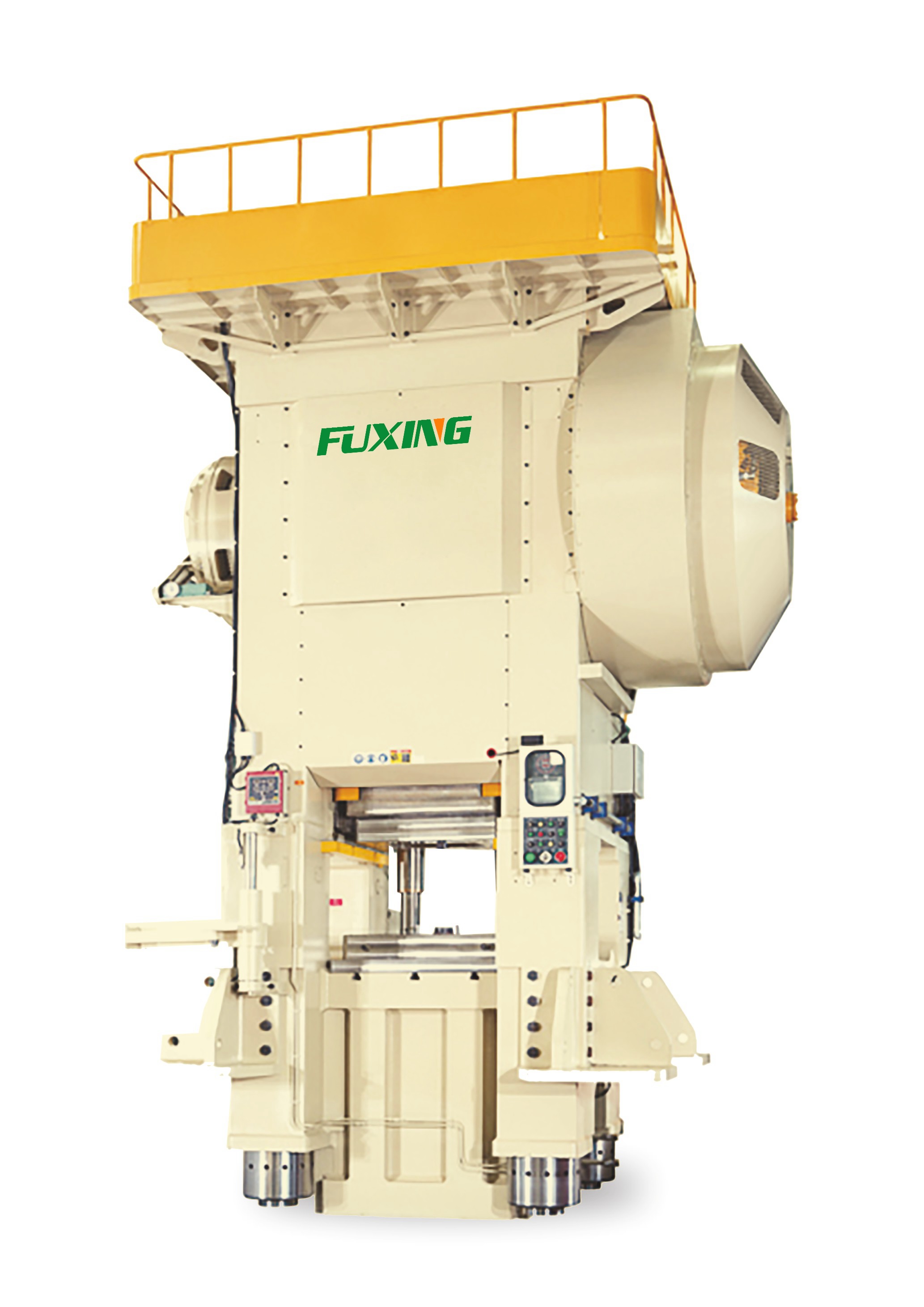
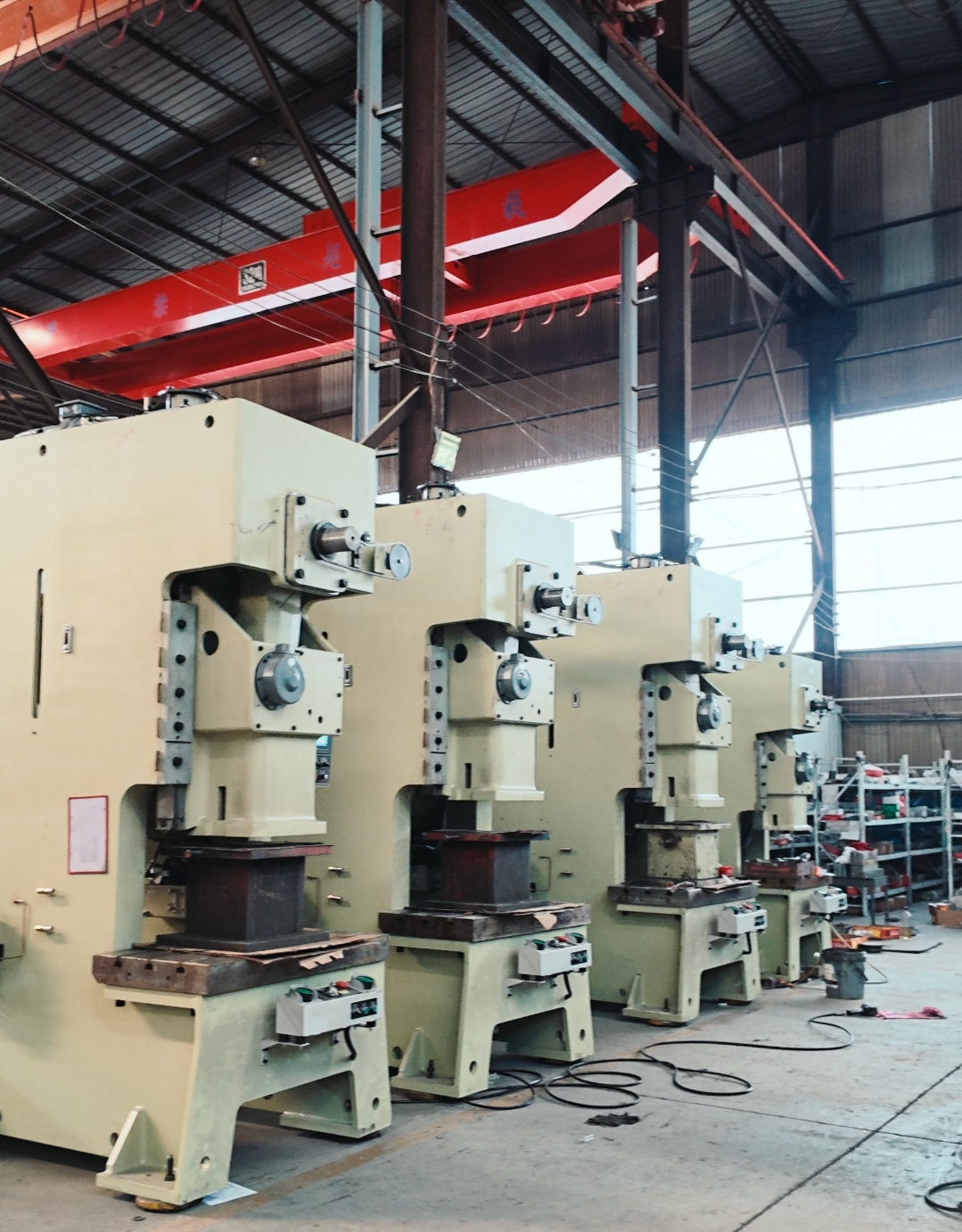
As a leading manufacturer in China, Fuxing Machinery offers a variety of high-performance CNC Punch Presses suitable for various metalworking applications. We are committed to providing global customers with precise, efficient, and reliable punching equipment, helping you improve production efficiency and reduce costs.
The CNC Punch Presses offered by our company not only feature stable performance and high precision but also have the following advantages:
High Performance and Energy Efficiency: Our CNC Punch Presses use advanced servo drive systems, reducing energy consumption while enhancing processing speed and precision.
Fully Automated Operation: From punching to finished products, our CNC Punch Presses support fully automated operation, significantly improving production efficiency and reducing human intervention.
Versatile Material Handling: Our CNC Punch Presses can process a wide range of metals, including stainless steel, aluminum alloy, copper, and more, and can handle different sheet thicknesses and hardness levels.
Intelligent Control System: Equipped with advanced CNC systems, our machines can precisely control the processing steps, ensuring consistent and high-precision parts.
For more information, please visit our website www.fuxingmachinery.com. We offer customized CNC Punch Press solutions and provide professional technical support.
How to Choose the Right CNC Punch Press?
When selecting a CNC Punch Press, businesses should consider the following key factors:
1. Material Type and Thickness
Different CNC Punch Presses are suited for different types of materials, such as steel, stainless steel, and aluminum. Businesses need to choose the right press based on the material characteristics. Additionally, the punching capacity of the press depends on the material's thickness, so ensure the machine's pressure is suitable for the actual requirements.
2. Punching Precision
For industries that require high precision (such as electronics and aerospace), selecting a high-precision CNC Punch Press is critical. A precise Punch Press ensures that every processed part meets the specified dimensions and shape.
3. Degree of Automation
For large-scale production, choosing a highly automated CNC Punch Press can significantly improve production efficiency. Automated features such as material feeding and product handling are also key to improving production line efficiency.
4. Performance and Reliability
Businesses should select machines that offer stable performance and are easy to maintain based on the work environment and processing requirements. Long-term reliable operation will save businesses considerable maintenance and replacement costs.