Welcome to Shandong Fuxing Machinery Co., Ltd.
The Difference Between Cold Forging Press Machines and Hot Forging Press Machines
In the metal forming industry, forging is one of the most important methods for manufacturing high-strength metal parts. Depending on the processing temperature, forging is divided into cold forging and hot forging, with the corresponding equipment known as the cold forging press machine and the hot forging press machine. These two machines differ significantly in processing technology, equipment structure, production efficiency, and application scenarios.
1. Difference in Processing Temperature
A cold forging press machine works at room temperature, forming metal without additional heating. Since the workpiece is not heated, no oxidation occurs, ensuring excellent surface finish and higher dimensional accuracy.
A hot forging press machine, on the other hand, works at elevated temperatures, usually above the recrystallization point (often higher than 600°C). At high temperatures, metal becomes softer and more ductile, making it easier to form complex or large parts. However, oxidation is likely to occur on the surface, requiring post-processing.
2. Equipment Structure and Design
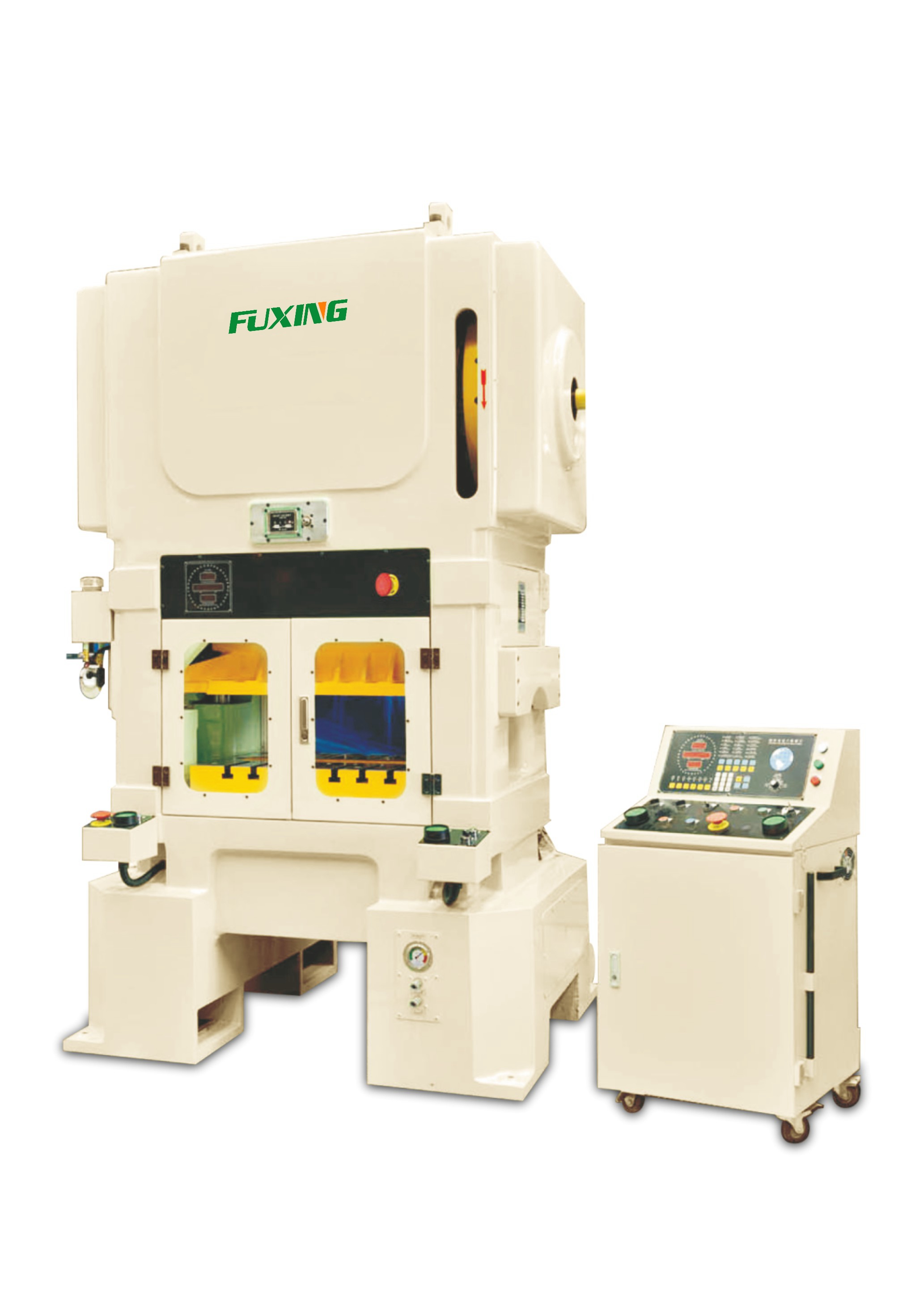
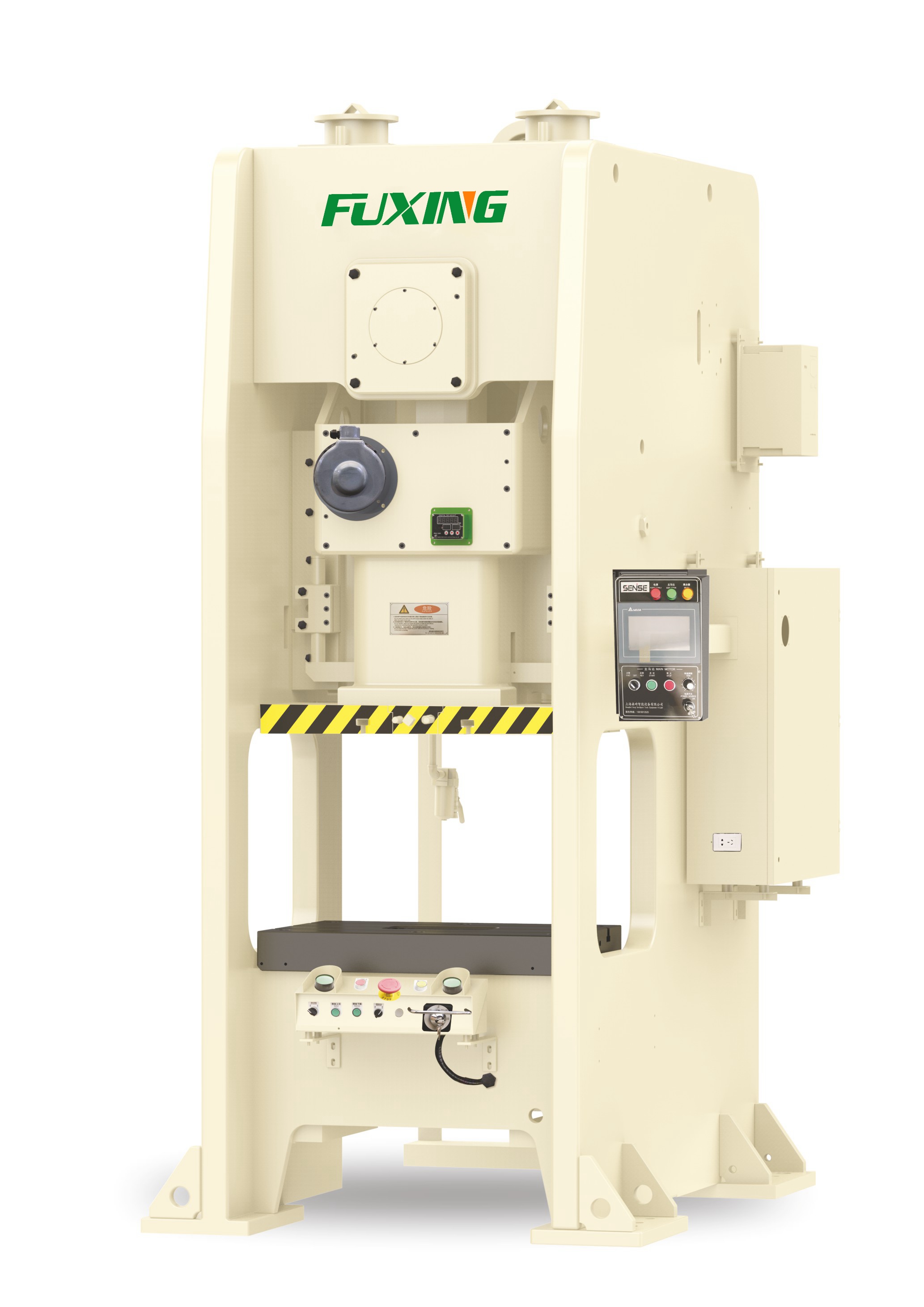
Cold forging presses usually feature single-station or multi-station structures, delivering high impact force with shorter strokes. They are equipped with mechanical or hydraulic systems, and the dies must be highly wear-resistant. These presses emphasize precision and stability, making them ideal for mass production of small components.
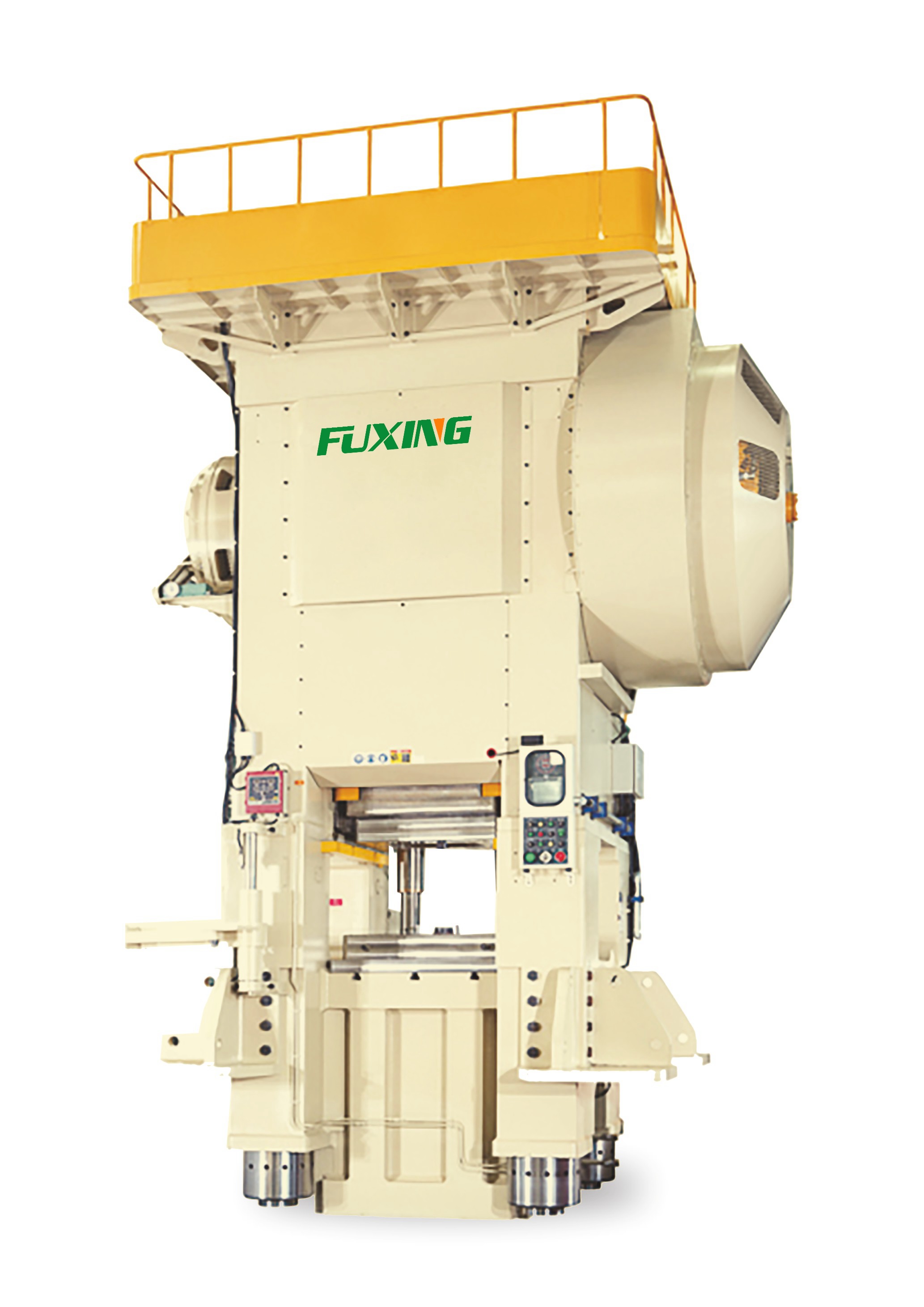
Hot forging presses are designed with stronger and more rigid structures to withstand high temperatures. They are often equipped with heating systems or furnaces to prepare metal blanks. Their strokes are longer and slower, but they are well-suited for manufacturing large or complex-shaped parts such as gears, shafts, and aerospace components.
3. Process Characteristics
Cold forging offers high precision, excellent surface quality, and fast production speed. It is widely used for small components such as bolts, nuts, auto parts, and hardware, where dimensional accuracy is critical.
Hot forging provides higher plasticity, making it possible to produce complex or oversized parts. Although the surface finish is inferior due to oxidation, post-processing can address this issue. It is ideal for parts requiring superior strength, such as crankshafts, gears, and heavy-duty components.
In terms of efficiency, cold forging presses can perform multiple strokes per minute, suitable for continuous mass production. Hot forging presses are slower because of heating and cooling time but can form parts that cold forging cannot.
4. Key Factors for Selection
When choosing between cold and hot forging presses, manufacturers should consider:
Part size and complexity: Small and simple parts → cold forging; large and complex parts → hot forging.
Production volume: High-volume, high-precision → cold forging; low-volume, complex parts → hot forging.
Material characteristics: Softer materials can be cold forged; harder or brittle materials often require hot forging.
Surface and precision requirements: Cold forging ensures excellent finish and accuracy; hot forging prioritizes strength with additional finishing required.
In some cases, companies combine both methods—hot forging for initial shaping and cold forging for finishing—to achieve both strength and accuracy.
5. Conclusion
Cold forging presses and hot forging presses differ in temperature, design, performance, and application scope. Cold forging presses emphasize precision, surface finish, and efficiency, while hot forging presses excel in producing large, complex, and high-strength parts. Understanding these differences helps manufacturers select the most suitable equipment to improve productivity and reduce costs.
👉 To learn more about forging press machines and complete stamping solutions, visit our official website: Fuxing Machinery. We provide a full range of cold forging, hot forging, and stamping press solutions to help enterprises achieve efficient production.