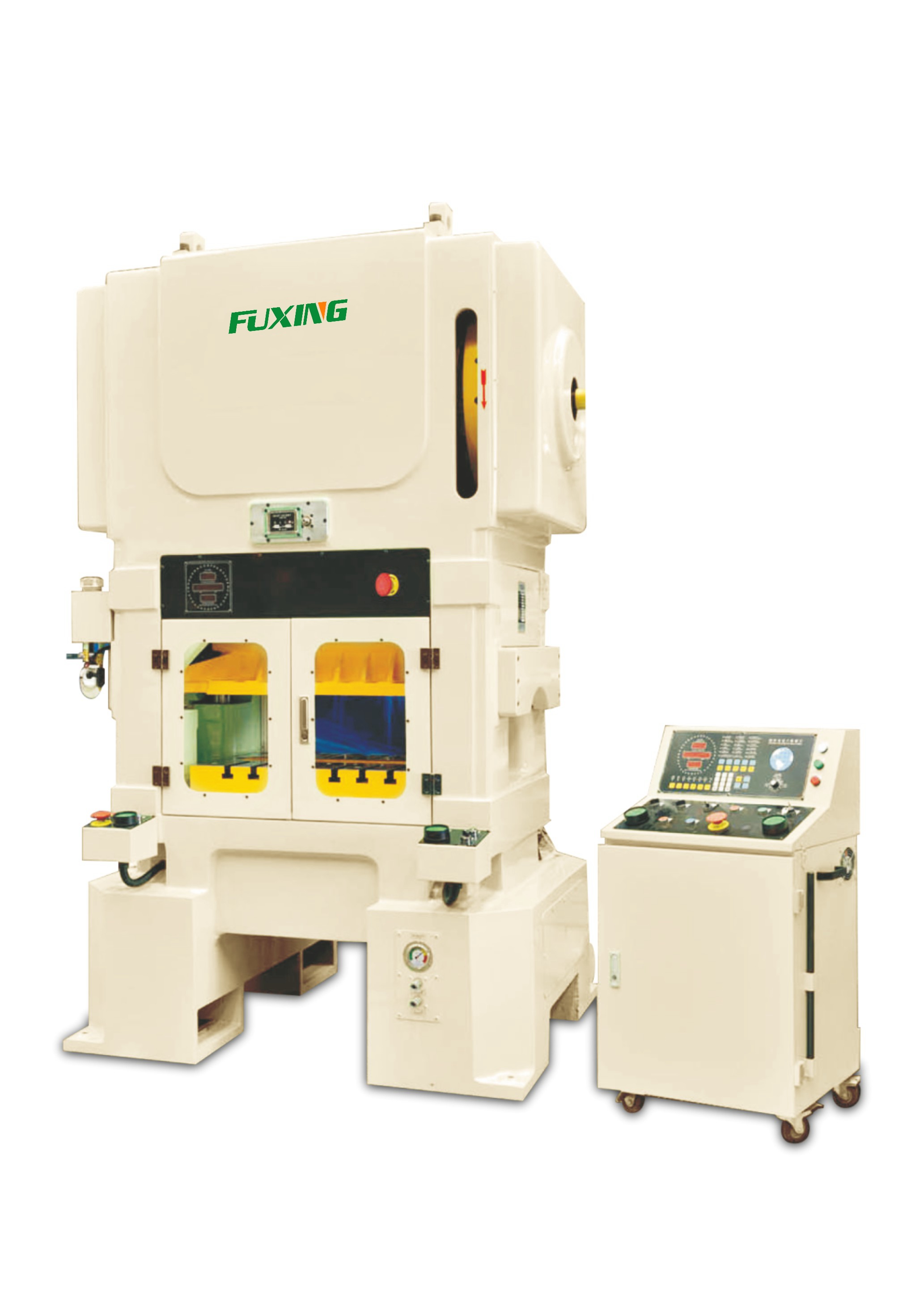
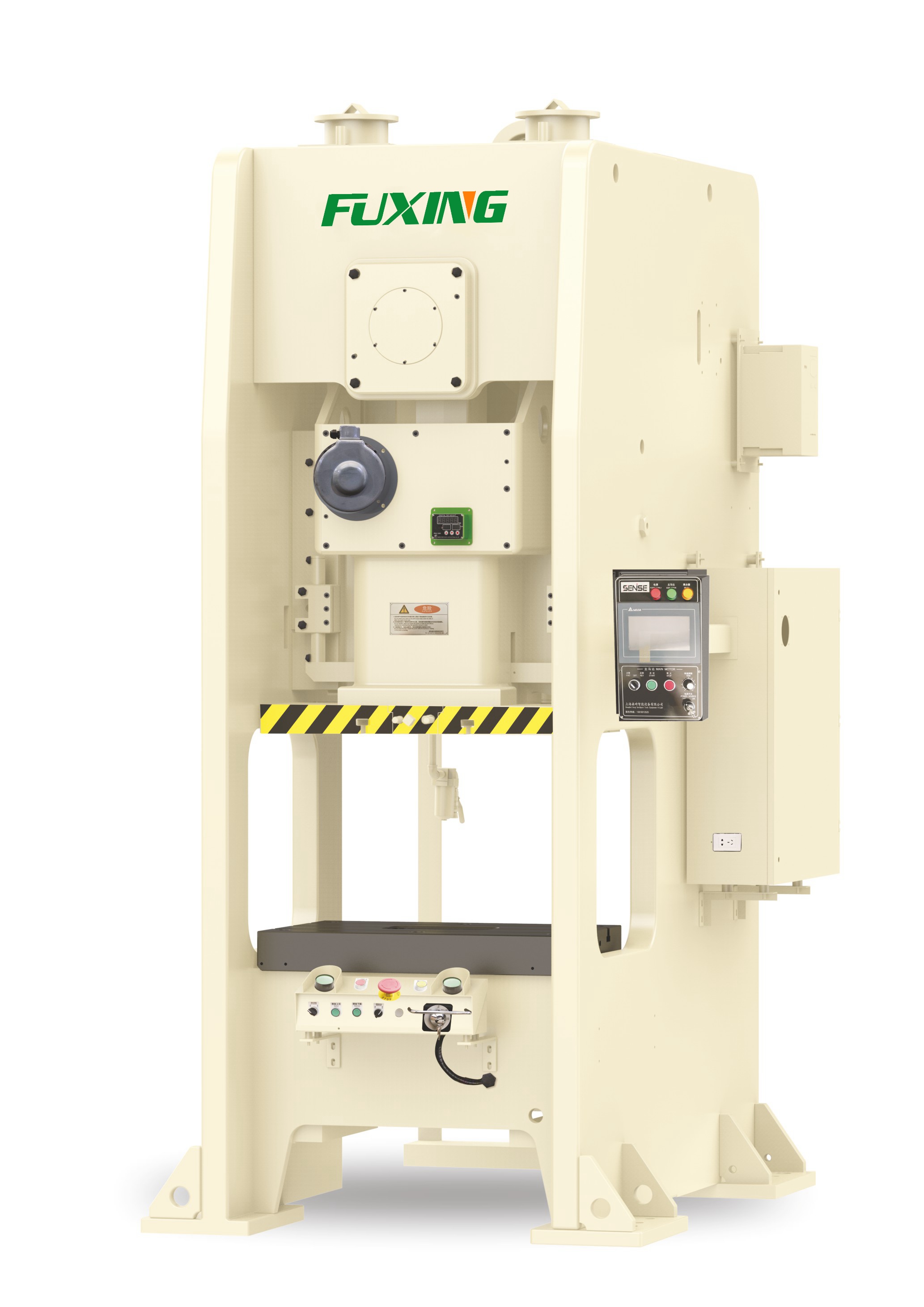
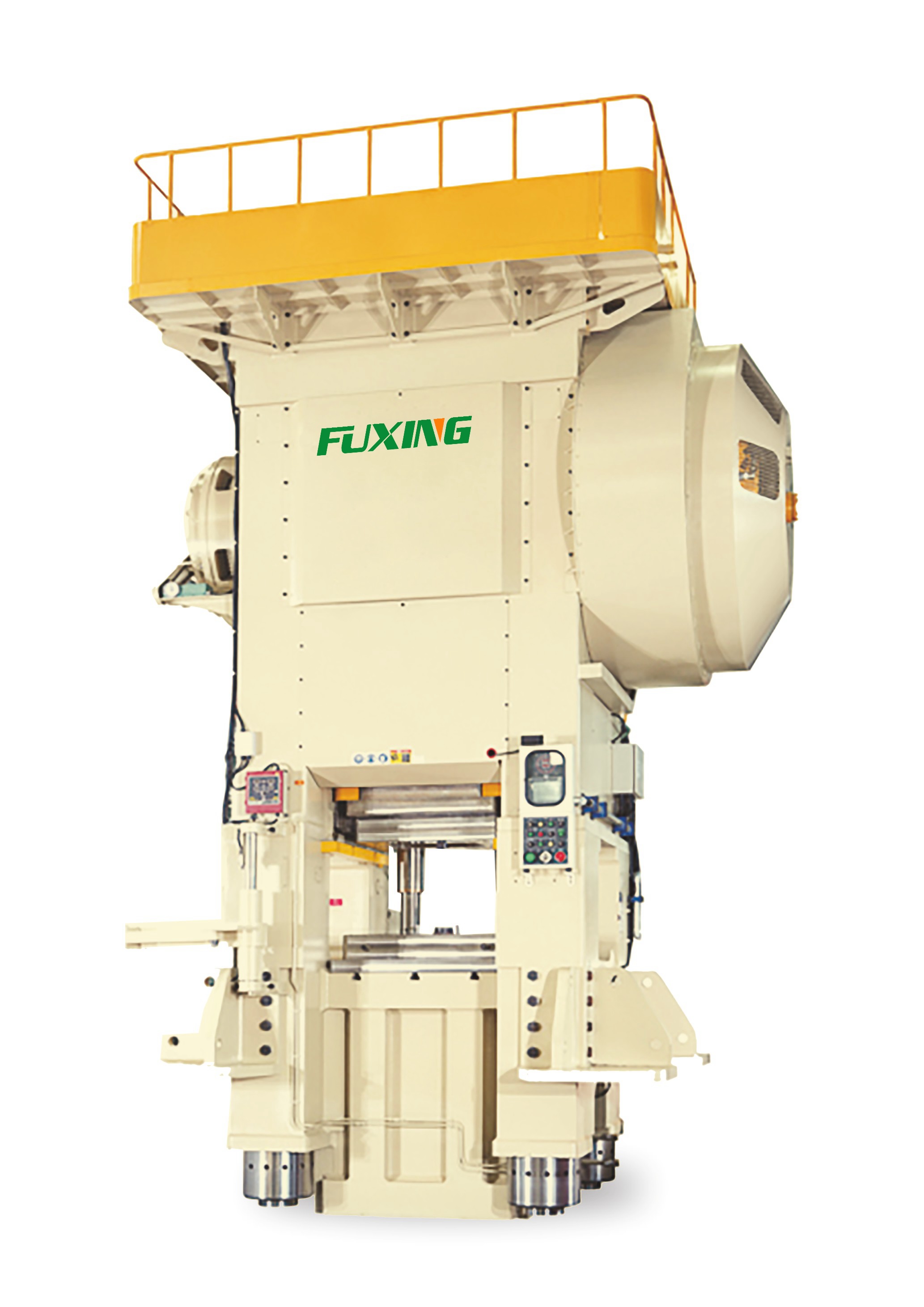
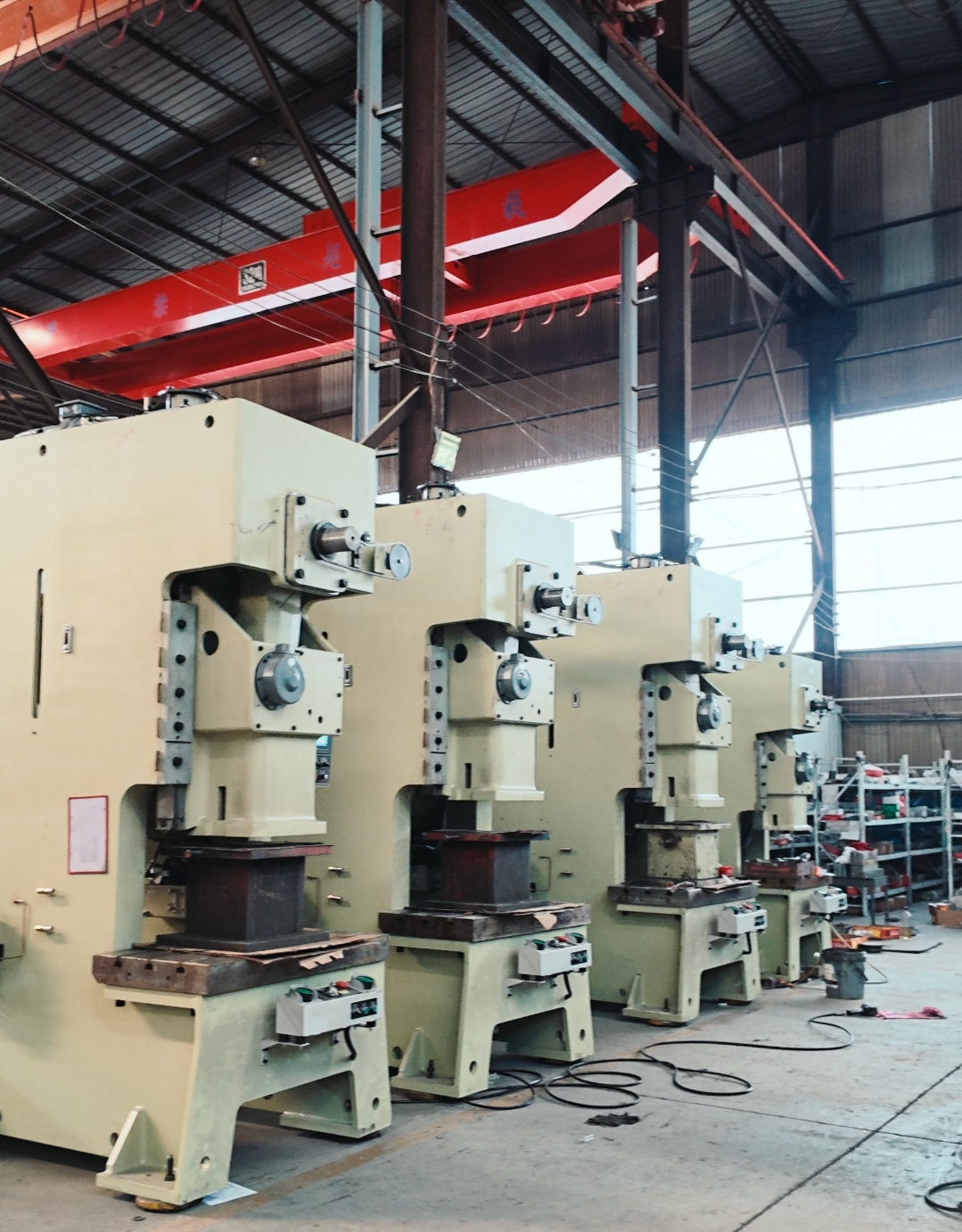
Welcome to Shandong Fuxing Machinery Co., Ltd.
Understanding Bending and Stamping: A Beginner's Guide to Sheet Metal Forming
Sheet metal forming plays a vital role in modern manufacturing, enabling the creation of countless everyday products—from car panels to appliance housings. Among the many techniques used in shaping sheet metal, two of the most essential and widely applied are bending and stamping.
Though both processes involve applying force to reshape metal, they differ in methods, tools, applications, and outcomes. This beginner-friendly guide introduces you to these two key techniques, explaining how they work, where they are used, and why they matter.
1. Bending: Forming Angles and Curves
Bending is a mechanical process where flat sheet metal is deformed along a straight axis to form an angle or a curve—without cutting or removing material. Think of folding a piece of paper, but using a powerful machine to fold metal instead.
How It Works
Bending is usually done using a press brake, which consists of a punch (upper tool) and a die (lower V-shaped tool). The sheet metal is placed over the die, and the punch presses it down, forcing the metal into the die’s groove and creating a bend.
Key Parameters
Bend Radius: The smallest internal radius the metal can be bent into without cracking. This depends on the material type and thickness.
Bend Allowance: Engineers must calculate the extra length needed in the flat pattern to ensure the final bent part meets exact dimensions.
Springback: After bending, the metal may slightly return to its original shape. This is accounted for by overbending or adjusting tooling.
Common Equipment
Manual and CNC Press Brakes: Used for high-precision work.
Folding Machines: Suitable for longer or thinner sheet panels.
Roll Benders: Used to create cylindrical or curved forms.
Common Applications
Electrical enclosures (e.g., control panels)
Automotive brackets and door reinforcements
Office furniture frames and metal cabinets
2. Stamping: Cutting and Forming with Force
Stamping is a broad metal forming process that includes operations like blanking, piercing, embossing, and deep drawing. It typically involves separating or reshaping material using high-speed presses and complex die sets.
How It Works
A stamping press applies force to a metal sheet using a die set—comprising a punch and die. The punch strikes the metal into the die to produce a desired shape. The process can be single-step or involve multiple stages in a progressive die.
Types of Stamping
Blanking: Cutting a flat shape from sheet metal (e.g., circles, rectangles).
Piercing: Punching holes into a sheet.
Drawing: Pulling the metal into a mold to create deep, hollow forms.
Embossing: Creating raised or recessed features on the surface.
Common Equipment
Mechanical Presses: High-speed production of thin sheets.
Hydraulic Presses: Better control for thick or hard metals.
Progressive Die Presses: Multiple operations in a single machine cycle.
Common Applications
Automotive parts like body panels and engine mounts
Consumer electronics casings for phones and laptops
Aerospace components requiring high precision and strength
3. Comparing Bending and Stamping
| Aspect | Bending | Stamping |
|---|---|---|
| Purpose | Form angles or curves | Cut, shape, or form complex structures |
| Tooling | Press brake with punch and die | Die sets with punch + die in a press |
| Production Speed | Moderate | Very high (suitable for mass production) |
| Material Usage | Minimal waste | May produce scrap (e.g., in blanking) |
| Part Complexity | Suitable for simple shapes | Ideal for intricate or multi-feature parts |
When to Use Each
Bending is ideal for:
Low to medium production volumes
Custom parts or prototypes
Simple structures like flanges, channels, and brackets
Stamping is best for:
Mass production of identical parts
Parts requiring holes, ribs, or complex 3D shapes
High-speed and cost-efficient operations
4. Safety and Best Practices
Working with bending and stamping equipment requires proper safety procedures to protect operators and maintain production quality.
Wear Personal Protective Equipment (PPE): Safety glasses, gloves, and protective clothing are essential.
Maintain Equipment: Regularly inspect tools and dies for wear or damage. Apply proper lubrication to moving parts.
Handle Materials Safely: Use mechanical aids like lifters or rollers when moving heavy sheets to avoid injury.
Use Sensors and Automation When Possible: Modern machines often include safety sensors and automatic feeding systems to reduce manual handling.
5. Conclusion
Bending and stamping are fundamental to metal fabrication, offering complementary capabilities for shaping sheet metal into functional parts. Bending excels at creating angled or curved components with precision, while stamping delivers fast, consistent production of complex forms.
By understanding the basics of these techniques, beginners and professionals alike can make better decisions when choosing manufacturing methods, designing parts, or improving production workflows. As technology evolves, hybrid machines that combine both bending and stamping are becoming more common—offering even greater flexibility in metal processing.
Even a simple sheet of metal, when shaped with the right tools and knowledge, can become part of something extraordinary.