Welcome to Shandong Fuxing Machinery Co., Ltd.
Understanding the Difference Between Single Crank Press and Double Crank Press
Press machines play a vital role in metalworking industries such as automotive manufacturing, home appliances, and hardware production. Among the various types, single crank press and double crank press are the most commonly used. Knowing their differences is essential for choosing the right equipment and improving production efficiency. This article provides a comprehensive comparison covering structure, performance, and applications to help you make an informed decision.
1. What Are Single Crank and Double Crank Presses?
Single Crank Press
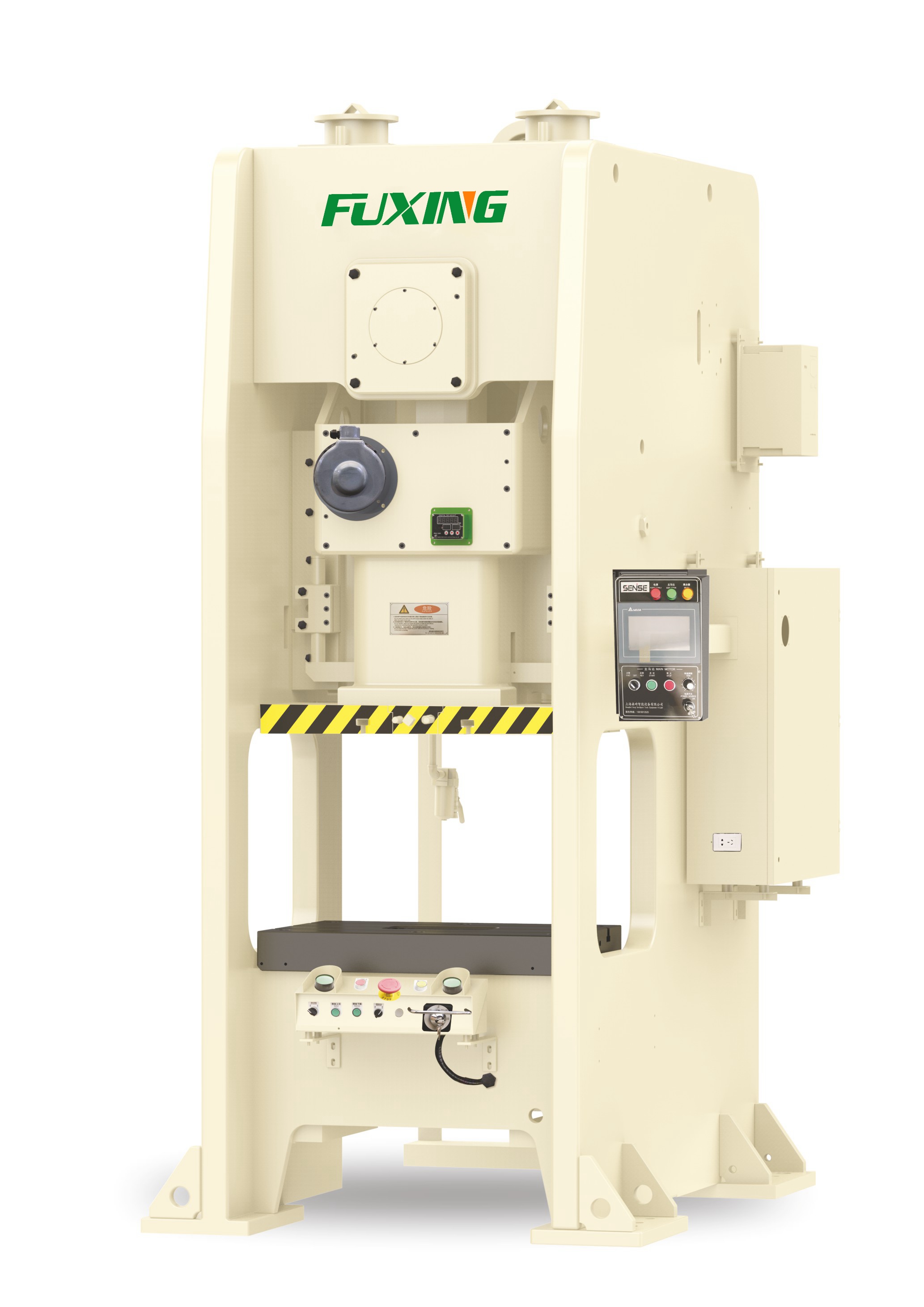
A single crank press is equipped with one crankshaft, usually positioned at the center of the machine. This crankshaft converts rotary motion into the up-and-down movement of the ram (or slide) through a single driving point. Single crank presses feature a relatively simple structure and lower manufacturing cost, making them suitable for light to medium-duty stamping tasks.
Double Crank Press
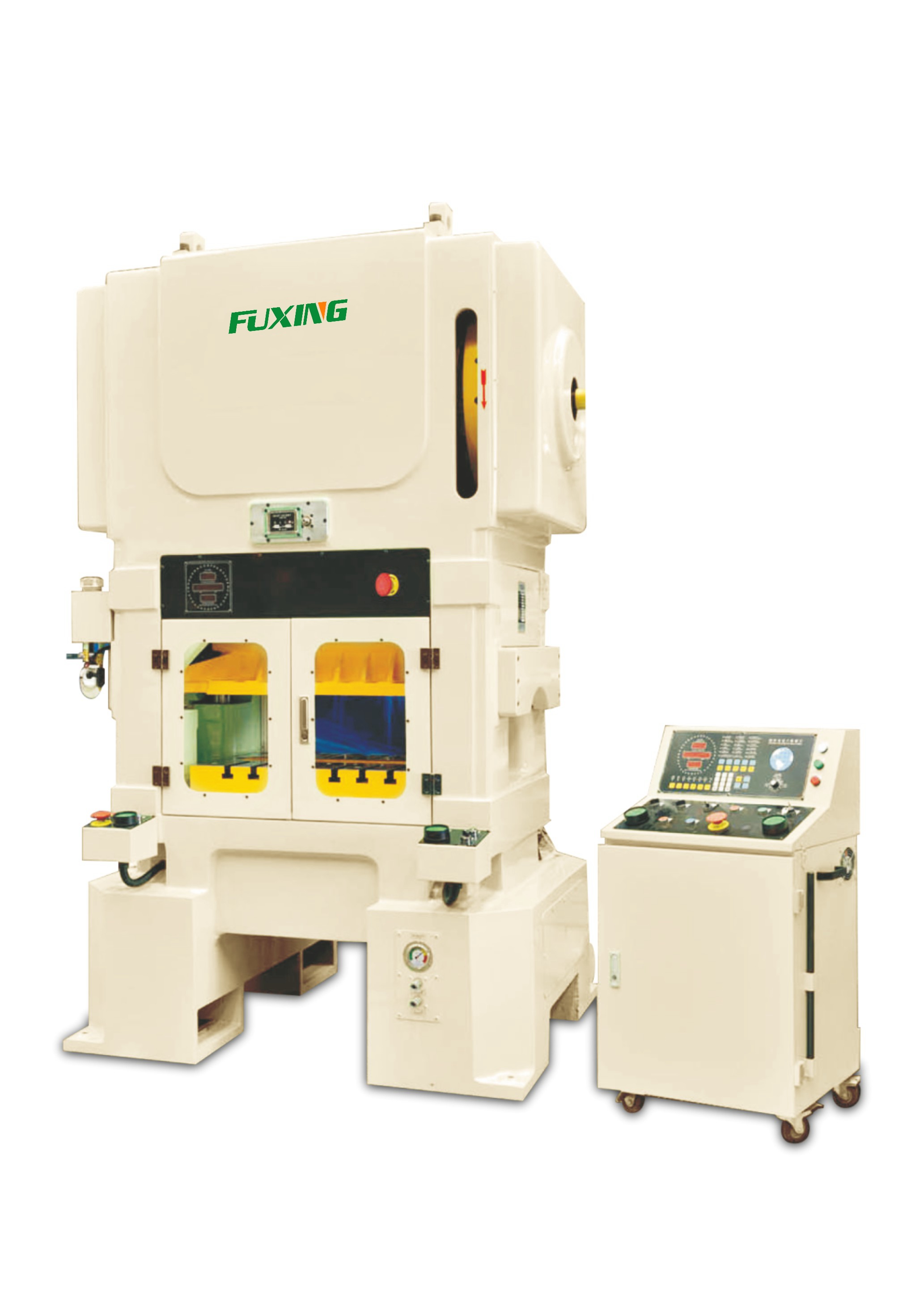
A double crank press has two crankshafts located on both sides of the machine. These crankshafts are connected by gears to rotate synchronously, driving the ram through two driving points. The ram is guided by two side guide posts for better stability and precision. Double crank presses have more complex structures but offer greater load capacity and accuracy, making them ideal for heavy-duty and high-precision applications.
2. Structural and Working Principle Comparison
| Feature | Single Crank Press | Double Crank Press |
|---|---|---|
| Number of Crankshafts | One | Two |
| Driving Points | Single driving point | Two synchronous driving points |
| Ram Guidance | Central single guide post or rail | Dual side guide posts for balanced motion |
| Structural Complexity | Simple | Complex |
| Manufacturing Cost | Lower | Higher |
Single crank presses rely on one crankshaft to translate rotary motion into vertical ram movement, with the ram guided centrally. This setup suits lighter and more uniform loads. Double crank presses distribute force more evenly via two crankshafts and dual guide posts, reducing ram tilt and deformation while improving stability and service life.
3. Tonnage and Performance Differences
Single Crank Press: Usually designed for lower tonnage capacities—commonly 30 to 160 tons. Their smaller bed size suits smaller dies and lighter workloads.
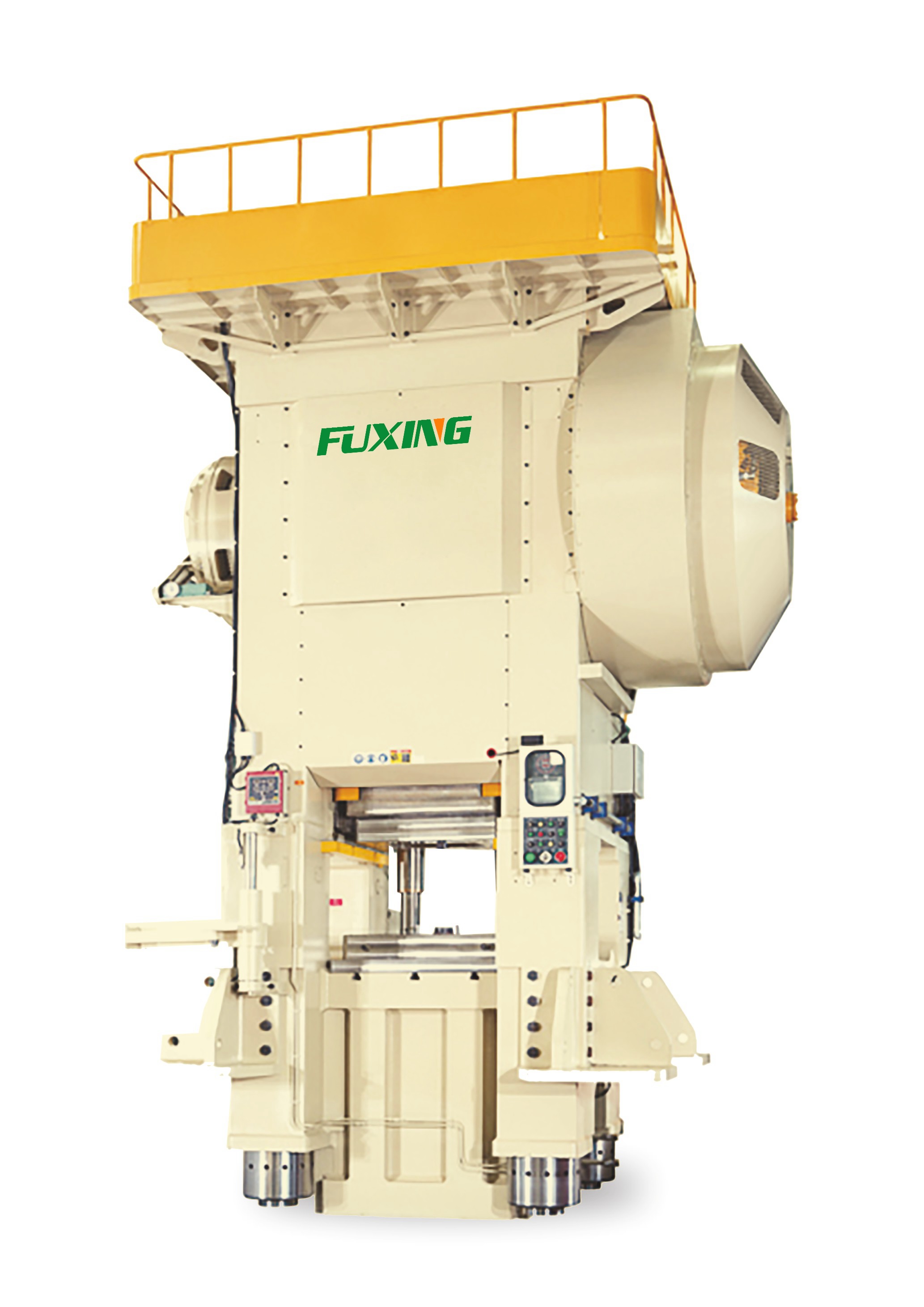
Double Crank Press: Starts at around 160 tons and can reach several hundred tons or more. The larger bed accommodates bigger, more complex dies and tooling, supporting heavy-duty stamping processes.
Double crank presses also handle eccentric loads better, ensuring more uniform force distribution, less machine wear, and longer equipment life.
4. Typical Applications
Single Crank Press Applications
Light to medium stamping parts (e.g., small hardware, appliance components, electronics parts)
Simple processes such as blanking, bending, and shallow drawing
Small to medium batch production runs
Double Crank Press Applications
Large, complex parts (e.g., automotive body panels, large appliance panels, aerospace components)
Multi-station and progressive dies for automated high-volume production
Large batch, high-precision stamping
5. Choosing the Right Press
Production Volume: Single crank presses suit smaller production volumes and simpler parts. Double crank presses excel in high-volume, complex stamping operations.
Workpiece Size & Die Dimensions: Large or complex dies demand the higher capacity and stability of double crank presses. Smaller dies and parts can be processed effectively on single crank presses.
Budget: Single crank presses require lower initial investment and are easier to maintain, making them suitable for startups or limited budgets. Double crank presses involve higher upfront costs but often offer better long-term value through durability and productivity.
Process Complexity: For simple, single-operation stamping, single crank presses are sufficient. For multi-step, high-precision forming, double crank presses provide the necessary capabilities.
6. Conclusion
Both single crank and double crank presses have their unique advantages in metal stamping. Single crank presses are simpler and cost-effective for light-to-medium duty jobs and moderate production volumes. Double crank presses offer superior stability, higher tonnage, and are best suited for large, complex parts and high-volume manufacturing.
Choosing the right type depends on your specific production needs, part size, complexity, and budget. A well-informed choice will enhance production efficiency, protect tooling, and reduce overall costs.
If you would like to learn more about press machines or need expert advice on selecting or customizing your equipment, feel free to contact Shandong Fuxing Machinery. We specialize in pneumatic presses and metal forming equipment, offering OEM/ODM services to help you upgrade your manufacturing.