Welcome to Shandong Fuxing Machinery Co., Ltd.
How to Maintain a Mechanical Punch Press for Long Service Life
(Practical Maintenance Guide)
Mechanical punch presses are core equipment in metal stamping production lines and are widely used in automotive parts, appliance housings, electrical components, hardware products, and structural forming. Due to their high loads, high operating speeds, and concentrated impact energy, lack of proper maintenance can lead to precision loss, shortened machine life, increased downtime, and higher repair costs.
This guide explains systematic maintenance practices from four key aspects: daily inspection, periodic servicing, critical component management, and standardized operation — helping manufacturers achieve long-term stable operation and maximum production efficiency.
1. Why Mechanical Press Maintenance Matters
A well-structured maintenance system delivers clear benefits:
✅ Extends equipment service life by 30–50%
✅ Significantly reduces unexpected failures and major repair risks
✅ Improves stamping accuracy and batch consistency
✅ Lowers total cost of ownership (TCO)
✅ Enhances operational safety and compliance
For high-speed, high-load stamping workshops, mechanical presses must not merely “run,” but consistently operate within optimal mechanical and control accuracy ranges.
2. Daily Maintenance Checklist (Every Shift)
Operators should complete the following checks before start-up and after shutdown:
Check lubrication oil level, oil flow, and pump operation
Verify clutch and brake air pressure stability and response
Listen for abnormal noise, vibration, or impact sounds
Inspect emergency stop buttons, light curtains, guards, and safety interlocks
Clean scrap, oil, and debris from die area, slide, table, and feeding channels
Check key bolts and fasteners for looseness
👉 Field experience shows that over 90% of major failures can be prevented through daily inspections.
3. Periodic Maintenance Plan (Weekly / Monthly / Quarterly)
🔧 Weekly Maintenance
Check flywheel, pulley, and gearbox operation and temperature rise
Test clutch engagement sensitivity and brake stopping distance stability
Inspect slide guide lubrication condition and clearance changes
Check electrical cabinet wiring, grounding, and alarm records
🔧 Monthly Maintenance
Inspect crankshaft, connecting rods, and bearings for wear and temperature rise
Test oil quality and replace or filter if necessary
Verify overload protection devices and hydraulic or mechanical safety systems
Calibrate bottom dead center (BDC) repeatability and shut height stability
🔧 Quarterly Maintenance
Measure slide parallelism, guide straightness, and frame rigidity deformation
Check anchor bolts, foundation condition, and vibration pads
Drain air system condensate and clean filters and regulators
Calibrate encoders, limit switches, safety modules, and control parameters
4. Critical Component Maintenance Focus
1️⃣ Crankshaft and Bearing System
Ensure continuous and stable lubrication
Avoid prolonged overload operation, especially at high temperatures
Stop the machine immediately if abnormal noise or vibration occurs
2️⃣ Clutch and Brake System
Maintain stable air pressure and reliable switching
Regularly inspect friction plate wear and surface condition
Adjust or replace components if stopping distance increases or response slows
3️⃣ Slide Guides and Guiding System
Maintain continuous oil film lubrication
Periodically measure guide wear and clearance
Prevent off-center loading that causes uneven stress and fatigue
4️⃣ Electrical and Control System
Keep electrical cabinets clean, dry, and dust-free
Inspect PLCs, relays, contactors, and terminal blocks regularly
Prevent aging wiring, poor contact, and signal interference
5. Key Operating Practices to Extend Press Life
Never exceed rated tonnage, stroke, speed, or load limits
Install dies with precise alignment to avoid eccentric loading
Do not trial-stroke with material in place or bypass safety interlocks
Stop immediately if abnormal vibration, noise, impact, or alarms occur
Use manufacturer-recommended lubricants, seals, and original spare parts
6. Common Maintenance Mistakes
❌ Only repairing equipment after failure occurs
❌ Neglecting lubrication systems and oil quality control
❌ Running continuously at overload or high speed without assessment
❌ Continuing production with misaligned dies
❌ Skipping accuracy inspections and periodic performance calibration
These issues rarely cause instant damage but gradually shorten press life through accelerated fatigue, wear accumulation, and structural stress concentration.
7. Choosing High-Quality Equipment Is the First Step
(Brand Recommendation — Fuxing Machinery)
Beyond proper maintenance, machine rigidity, machining accuracy, assembly quality, and system matching ultimately define service life limits.
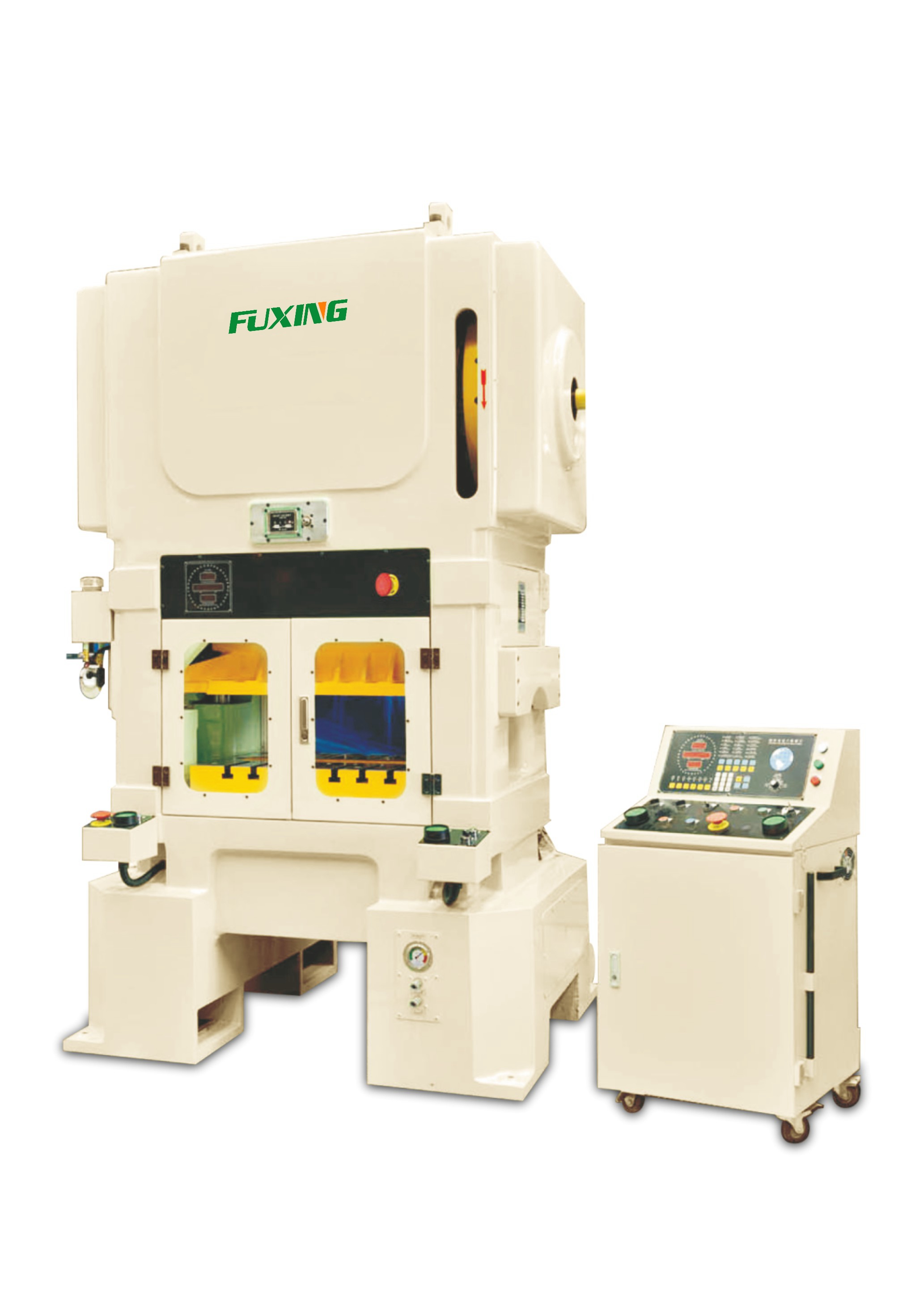
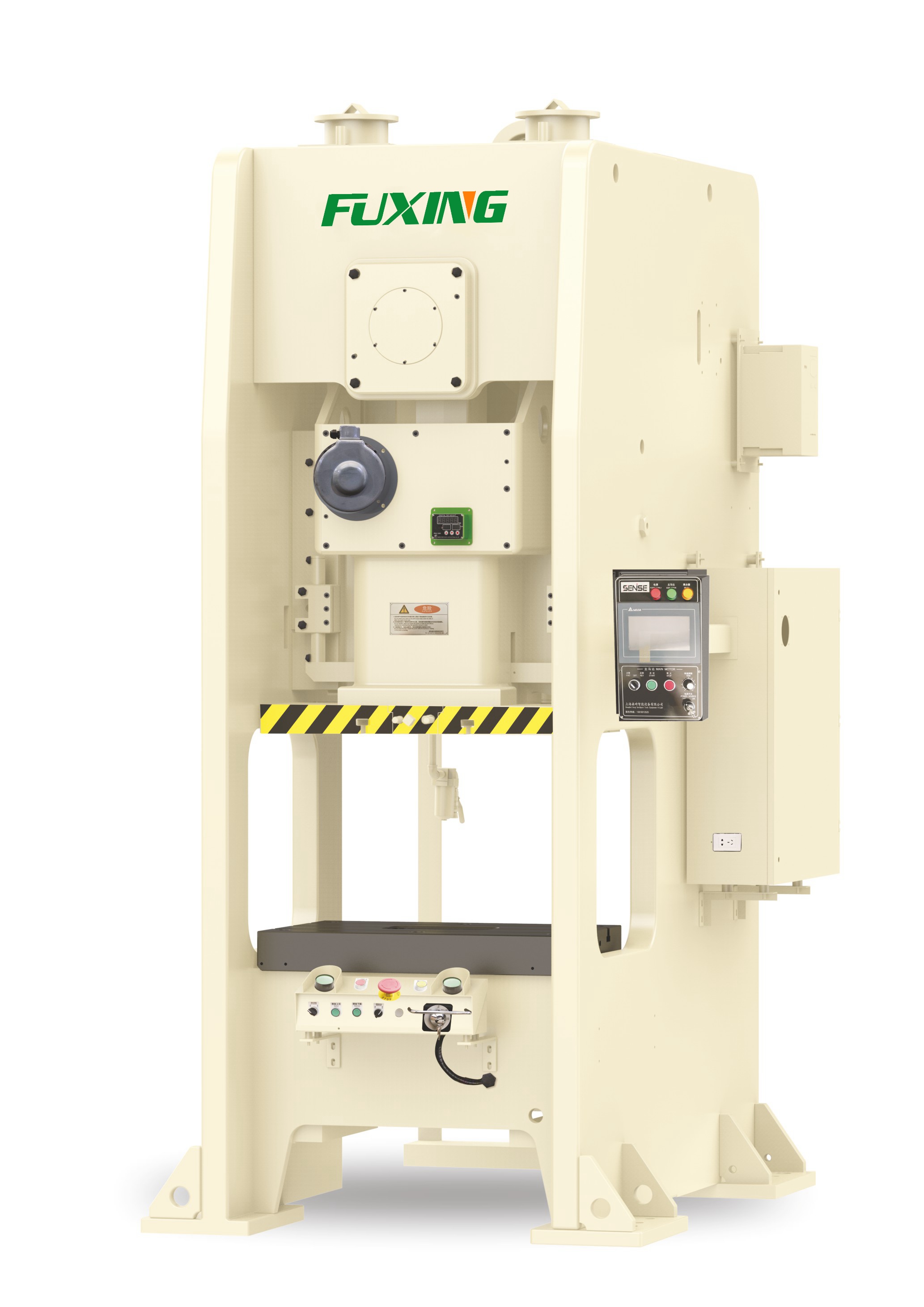
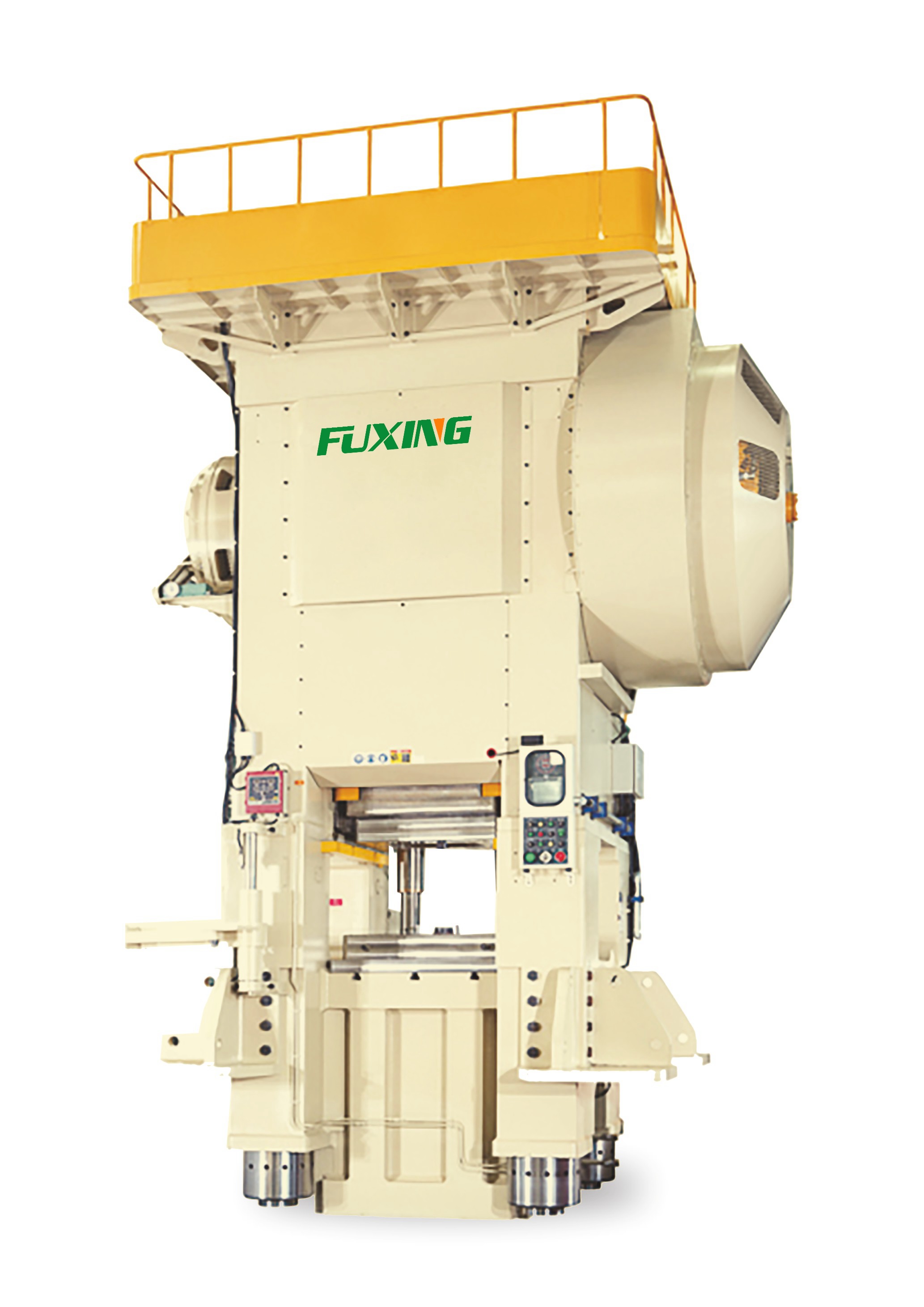
As a professional Chinese manufacturer of mechanical presses and complete stamping automation solutions, Fuxing Machinery supplies:
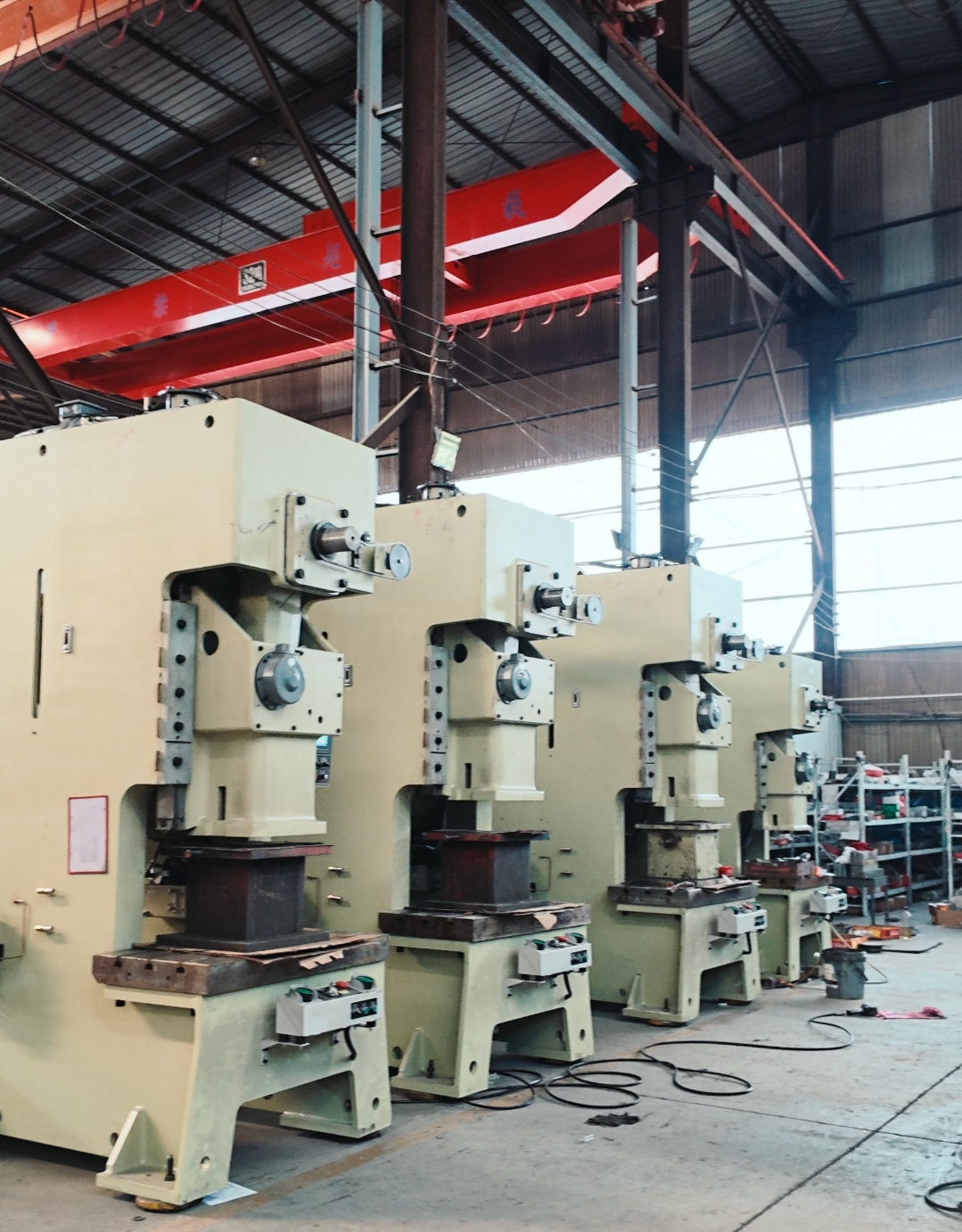
C-frame open mechanical presses
H-frame straight-side double-crank presses
High-speed precision presses
Fully automated stamping production lines
All equipment features high-strength frames, precision-machined crankshaft systems, and reliable clutch-brake units — engineered for high-speed, high-load, long-term continuous operation.
👉 Learn more at:
🌐 https://www.fuxingmachinery.com
8. Conclusion
Mechanical presses are high-inertia, high-impact industrial machines. Their lifespan depends not only on manufacturing quality but also on systematic maintenance and operational management. With standardized inspections, scientific lubrication systems, and proper operating procedures, mechanical presses can reliably run for 10–20 years or more, continuously creating value for manufacturers.
If you are looking for high-reliability mechanical presses or complete stamping line solutions, visit:
🌐 https://www.fuxingmachinery.com
for professional selection support and technical services.