Welcome to Shandong Fuxing Machinery Co., Ltd.
H Frame Press Overview
— Industrial Mainstay for Structural Stability and High-Precision Stamping
1. What is an H-Frame Press?
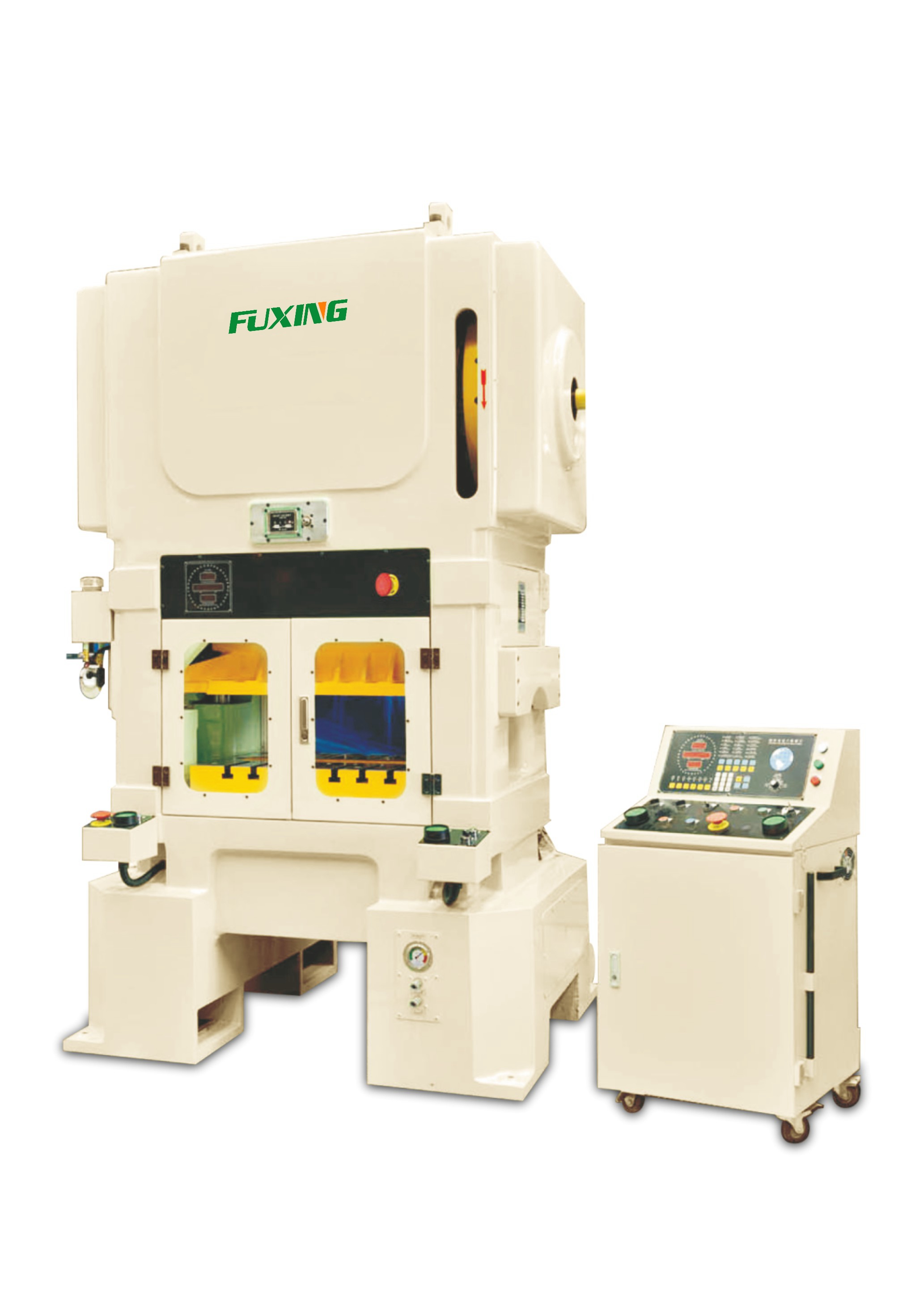
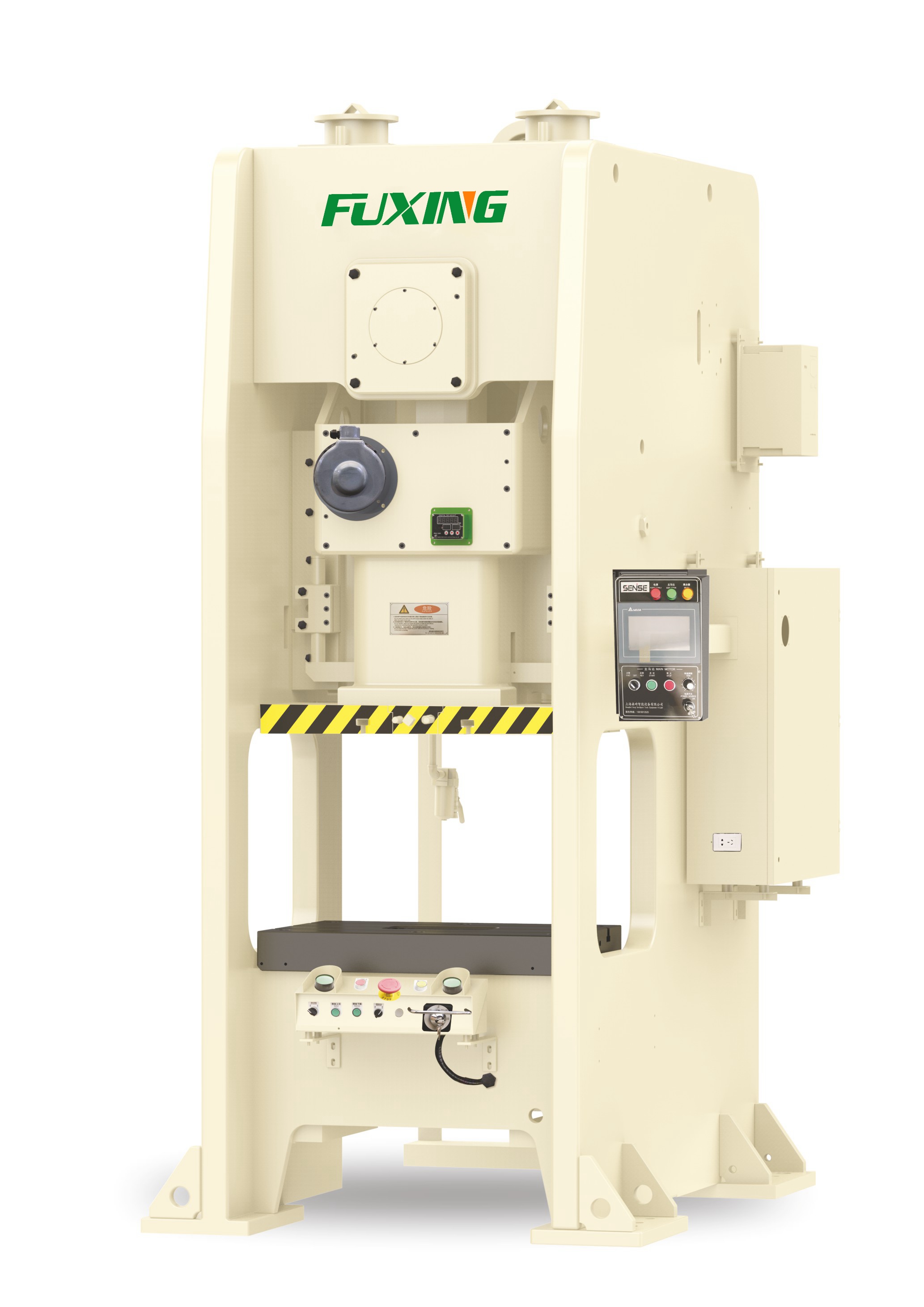
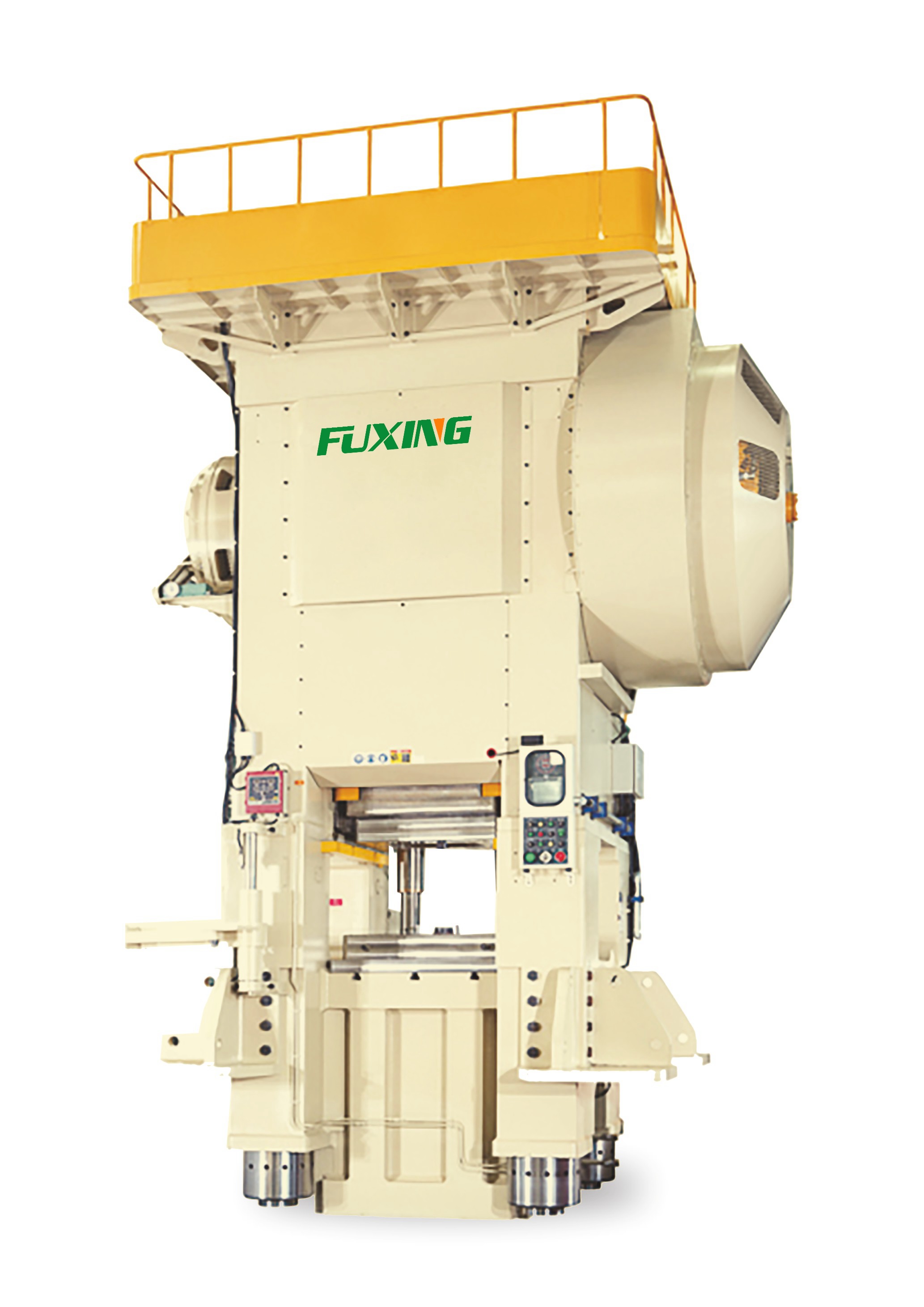
The H-frame press is a type of metal forming equipment named for its frame shape, which resembles the letter "H".
Columns, a crossbeam, and the worktable form a rigid integrated frame, providing excellent structural stability and resistance to deformation during stamping.
2. Structural Features
1. High Overall Rigidity
Constructed from high-strength welded steel plates or cast as a whole, ensuring uniform stress distribution and preventing deformation.
Maintains alignment accuracy between the slide and die even under high-tonnage stamping.
2. Large Working Space
Wide distance between the worktable and columns, suitable for large dies and multi-station operations.
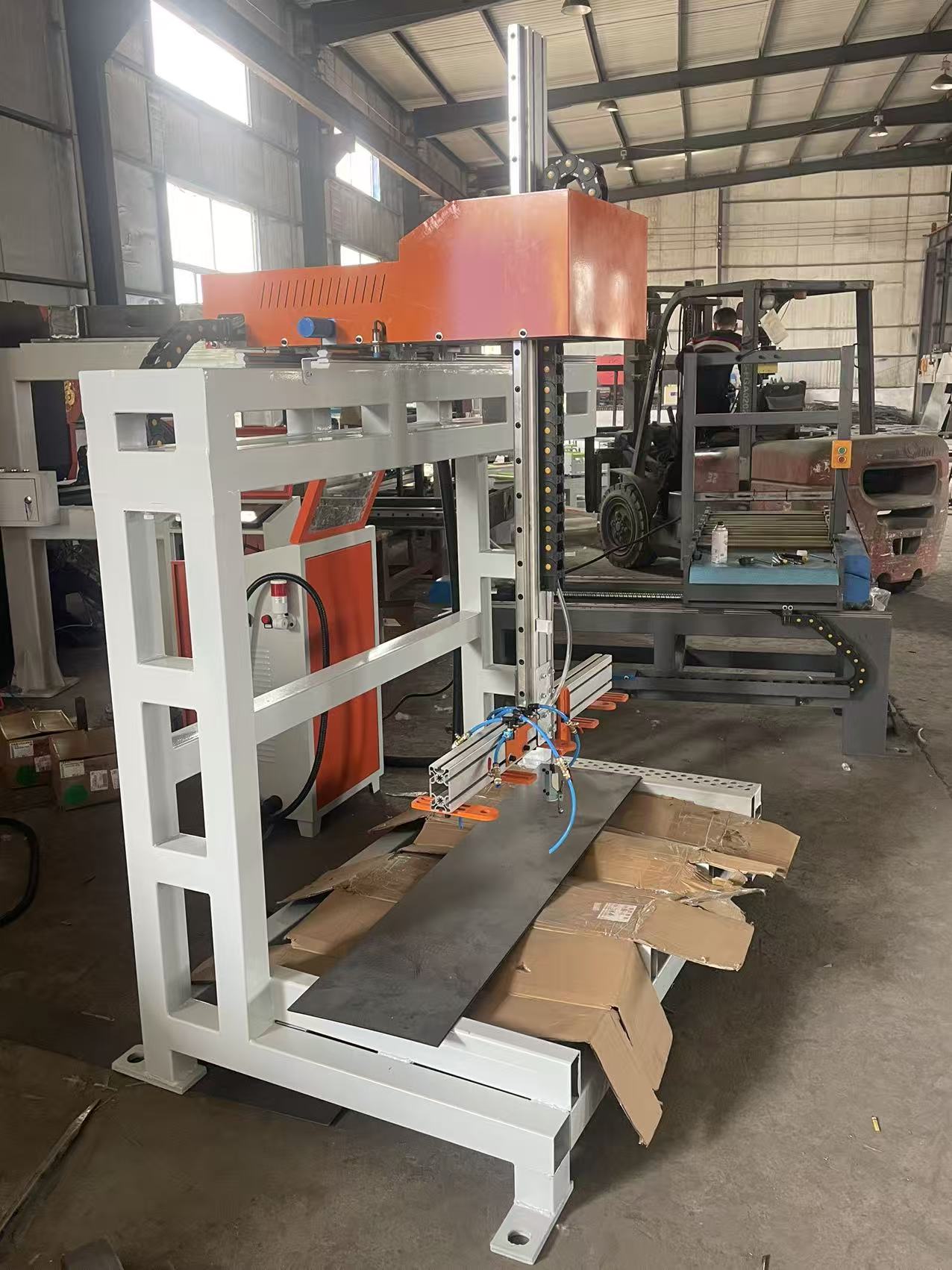
Facilitates automated feeding and robotic operation.
3. Precision Guiding System
Multi-point guides reduce tilt and vibration, extending die life.
Wear-resistant guides and lubrication systems ensure long-term accuracy.
4. Multiple Drive Options
Available in mechanical, hydraulic, or servo-driven versions, adaptable to different process requirements.
5. Strong Load Capacity
Can withstand pressures from 200 tons up to several thousand tons, meeting heavy-duty production needs.
3. Working Principle
The operation of an H-frame press can be divided into three stages:
1. Energy Generation
Mechanical: motor drives a flywheel to store energy.
Hydraulic: hydraulic pump generates high-pressure oil.
Servo: servo motor directly outputs power.
2. Energy Transmission
Mechanical: transmitted via crank, connecting rod, and eccentric shaft.
Hydraulic/Servo: drives the slide through hydraulic cylinders.
3. Forming Process
The slide reciprocates along the guides, applying pressure via the upper die.
Performs punching, trimming, bending, drawing, and other operations.
High-rigidity frame ensures product precision.
4. H-Frame Press vs. C-Frame Press
Structural Rigidity
H-frame presses feature a four-column or fully integrated frame, providing strong resistance to deformation. C-frame presses have a single-sided open structure, resulting in lower rigidity.Working Space
H-frame presses offer a large workspace, suitable for large dies and workpieces. C-frame presses have a smaller working space, suitable for medium or small dies.Load Capacity
H-frame presses are designed for high-tonnage operations (above 200 tons), while C-frame presses are generally for medium to low tonnage (below 200 tons).Precision and Stability
H-frame presses maintain long-term precision and stability even under heavy loads. C-frame presses are more prone to deformation under high load, affecting accuracy.Cost and Footprint
H-frame presses have higher initial costs and require more floor space, whereas C-frame presses are more compact and cost-effective.Typical Applications
H-frame presses are ideal for manufacturing large components, while C-frame presses are mainly used for hardware, small sheet metal parts, and prototype production.
5. Main Classifications
By Drive Type
Mechanical: high-speed and efficient, suitable for mass production
Hydraulic: smooth stroke, suitable for deep drawing and thick plate forming
Servo: high precision, energy-saving, and programmable control
By Slide Number
Single Slide: simple structure, suitable for general stamping and cutting
Double Slide: multi-station operation, suitable for large parts production
By Operation Type
Manual Feeding: low cost, suitable for small batch production
Automated: high efficiency, suitable for large-scale production lines
6. Application Fields
Automotive Manufacturing: high-precision, large-tonnage components such as body panels, doors, chassis parts, and engine brackets
Home Appliances: large sheet metal parts like refrigerator and washing machine housings, water heater tanks
Machinery Manufacturing: flanges, gear blanks, bearing housings, and frame components
Aerospace: aircraft skins and large fuselage structural parts
Shipbuilding: hull plates, bulkheads, stiffeners, and other large steel plates
Construction & Infrastructure: metal doors, bridge components, and steel structures
7. Advantages and Disadvantages
Advantages
High rigidity and strong resistance to deformation
High tonnage, suitable for large and thick plates
Stable precision with uniform die wear
Large working space, ideal for multi-station operations
Easy integration with automation for high productivity
Disadvantages
Large footprint, requiring strong foundation
High transportation and installation costs
Significant initial investment
8. Selection Suggestions
Tonnage: choose a model 20%~30% higher than the maximum stamping force
Worktable Size: ensure compatibility with dies and feeding method
Drive Type:
High-speed stamping: mechanical
Deep drawing & thick plates: hydraulic
High precision & energy-saving: servo
Guide Precision: high-precision processing requires high-accuracy guide type
Die Change: for mass production, a Quick Die Change (QDC) system is recommended
Automation Level: pairing with automatic feeders or robots improves productivity
Safety Features: safety light curtains, dual-hand buttons, emergency stop systems
9. Conclusion
H-frame presses are known for high rigidity, large working space, and stable precision, making them core equipment for large metal forming operations.
For manufacturers pursuing high efficiency, high precision, and long-term stable production, investing in an H-frame press is worthwhile.
Recommended Advertisement
We offer H-frame presses in various specifications along with complete metal forming solutions, supporting customized design and global delivery.
🌐 Website: www.fuxingmachinery.com