Welcome to Shandong Fuxing Machinery Co., Ltd.
Difference Between Mechanical and Hydraulic Presses: Are You Choosing the Right One?
In the metal processing industry, presses are essential equipment. They are widely used for punching, cutting, forming, bending, and drawing sheet metal. Based on the driving mechanism, presses are mainly classified into two types: mechanical presses and hydraulic presses. Each has its own advantages and ideal applications. Making the right choice can significantly improve production efficiency and prolong the service life of the machine and tooling.
So, what exactly is the difference between a mechanical press and a hydraulic press? In this article, we’ll compare them from multiple perspectives—working principles, performance, applications, maintenance costs, and more—to help you make an informed decision.
1. Fundamental Differences in Working Principles
➤ Mechanical Press
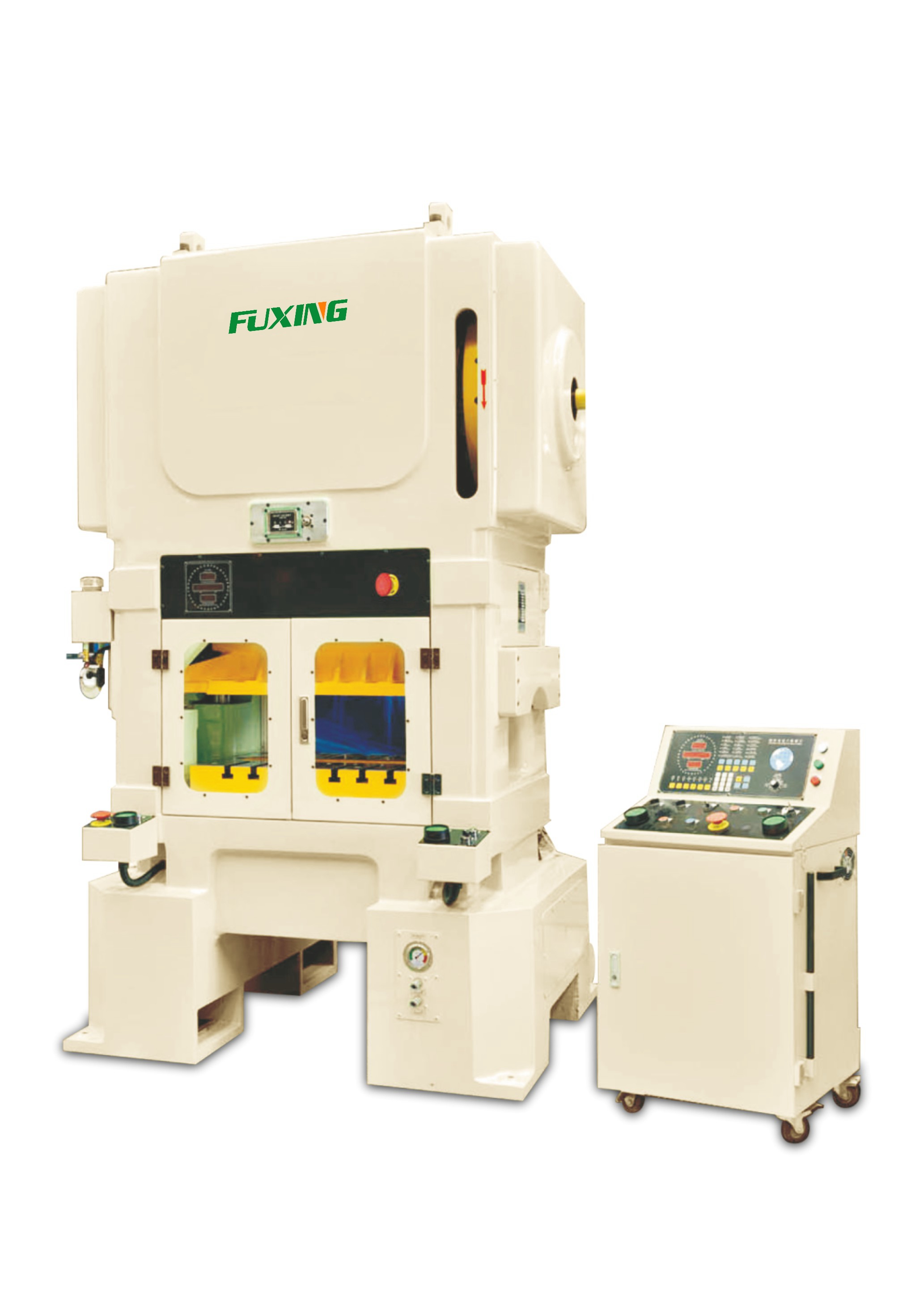
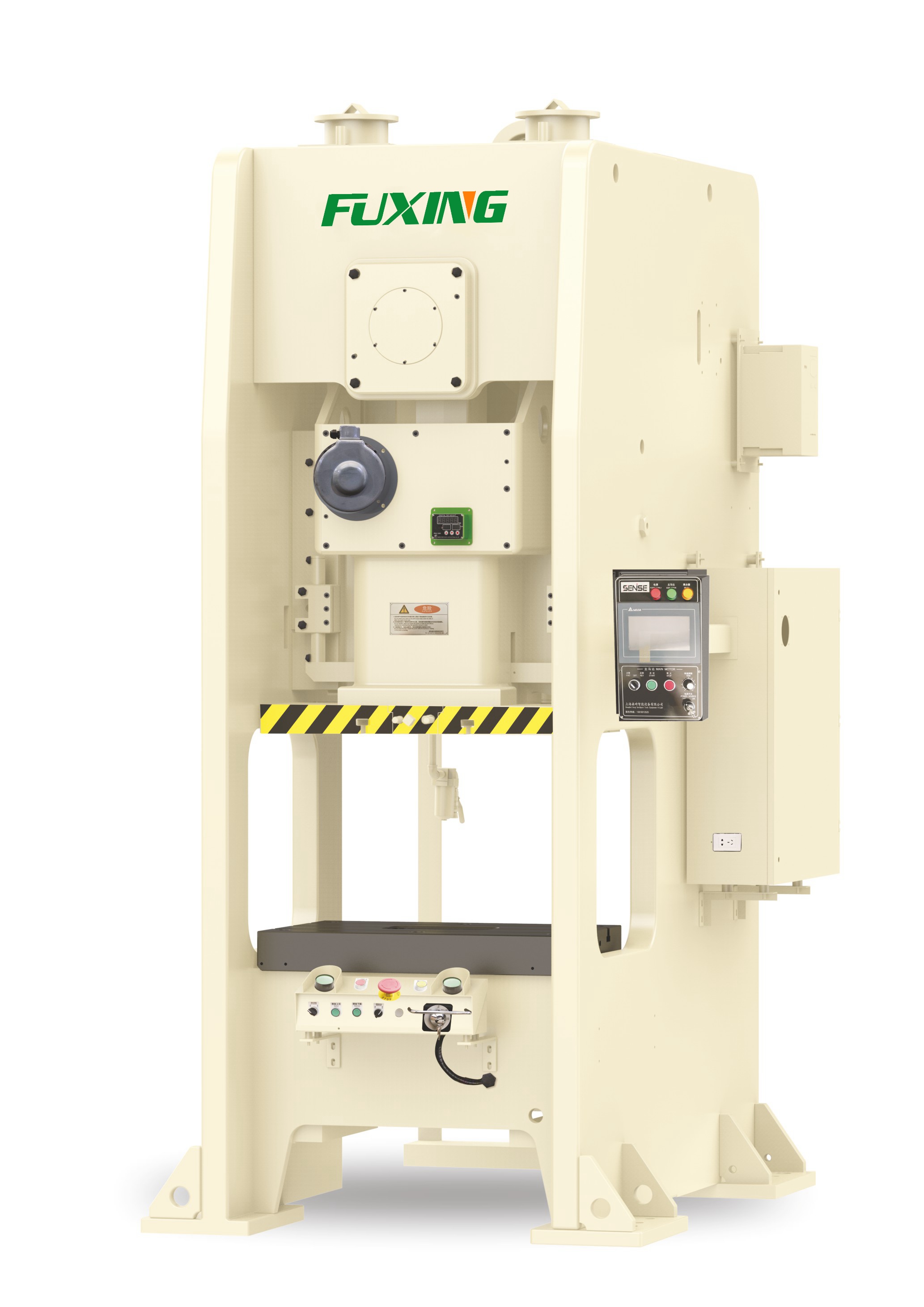
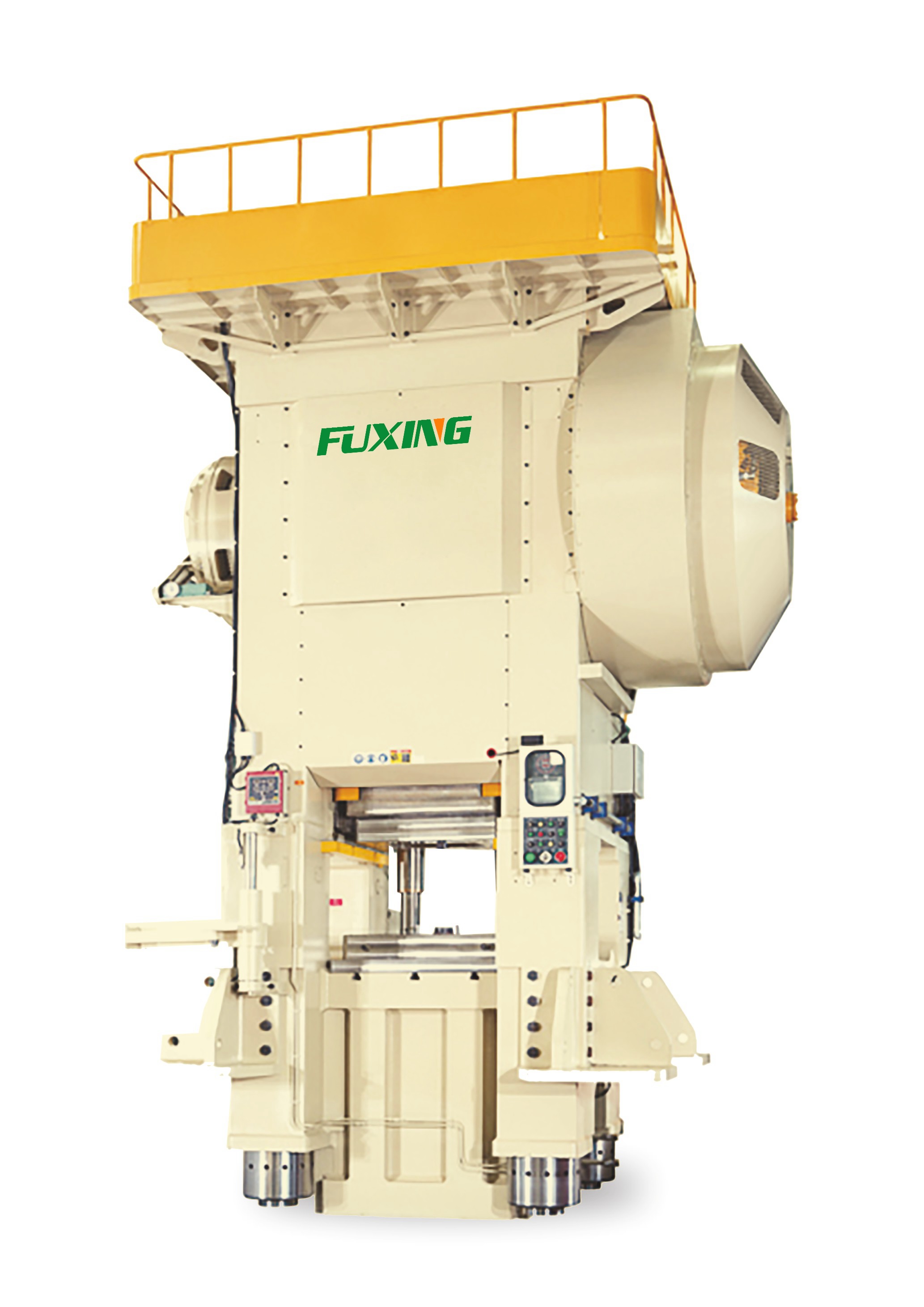
A mechanical press uses a flywheel driven by a motor to store energy. This energy is transmitted via a clutch, gear system, crankshaft, or eccentric mechanism to convert rotary motion into linear motion of the ram. The press operates with a fixed stroke length and consistent rhythm, making it ideal for high-speed, repetitive production.
➤ Hydraulic Press
A hydraulic press operates through a hydraulic pump, which delivers fluid pressure to a hydraulic cylinder, generating linear motion. Its power comes from pressurized liquid, enabling flexible control over stroke length, speed, and pressure. It is highly adaptable to complex forming processes.
2. Performance Comparison
| Feature | Mechanical Press | Hydraulic Press |
|---|---|---|
| Drive Mechanism | Flywheel + Crankshaft + Clutch | Hydraulic Pump + Cylinder |
| Speed | Fast, fixed stroke rate | Slower, adjustable speed |
| Force Delivery | Max force only at the bottom of stroke | Constant force throughout the entire stroke |
| Stroke Control | Fixed length, high repeatability | Flexible stroke length and position control |
| Noise Level | Relatively louder | Quieter operation |
| Energy Consumption | Lower in operation, but flywheel runs continuously | On-demand power use, slightly higher energy cost |
| Safety | Higher risk due to high speed | Can be equipped with sensitive safety systems |
| Tool Compatibility | High-speed dies, progressive dies | Precision dies, complex forming dies |
3. Differences in Application Scenarios
✅ Best Suited for Mechanical Presses:
High-speed operations such as punching, blanking, trimming
Mass production of standard parts with shallow forming requirements
High-output production lines in hardware, electrical, or automotive industries
✅ Best Suited for Hydraulic Presses:
Deep drawing, bending, flanging, and forming tasks requiring sustained pressure
Custom or non-standard workpieces, thick metal sheets, complex shapes
Jobs requiring precise control over pressure, stroke, and position
4. Maintenance and Operating Costs
Mechanical presses have a simpler structure, requiring routine lubrication and occasional clutch/brake servicing. They have lower maintenance costs and long service life.
Hydraulic presses, while smoother and quieter, require regular oil changes, hydraulic line inspections, and pump maintenance, resulting in slightly higher long-term costs.
However, with modern hydraulic systems, these maintenance tasks have become more manageable and efficient.
5. How to Choose the Right Press?
Choosing between a mechanical or hydraulic press depends on several key factors:
Need for production speed?
→ Choose a mechanical press for high-speed, large-volume operations.Need for precision control?
→ Choose a hydraulic press for accurate control over stroke, speed, and pressure.Complex part shapes?
→ For deep drawing or multi-step forming, hydraulic presses are more suitable.Budget limitations?
→ Mechanical presses generally have lower initial investment costs.
6. Brand Matters Too
Whether you choose a mechanical or hydraulic press, selecting a reliable manufacturer is just as important. A professional and experienced supplier provides not only durable equipment but also dependable service and customized solutions.
If you're looking for high-quality, customizable press machines, we invite you to visit:
👉 www.fuxingmachinery.com
We are a leading manufacturer in China specializing in both mechanical and hydraulic presses, including open-type and closed-type designs. With over 20 years of industry experience, we serve clients across the Middle East, Southeast Asia, and Europe. We offer remote video inspection, export packaging, and full technical support.
📞 WhatsApp: +86 15866275300
📧 Email: [email protected]
7. Future Trends
With the rise of smart manufacturing, servo presses are becoming increasingly popular. They combine the speed and power of mechanical presses with the control flexibility of hydraulic presses. They can program stroke paths and speeds, making them ideal for complex and high-precision tasks.
Meanwhile, hydraulic presses are evolving too—with servo-hydraulic systems improving energy efficiency and reducing oil consumption, aligning with environmental and cost-saving goals.
Conclusion
Mechanical and hydraulic presses each have unique strengths. There is no one-size-fits-all answer—only the most suitable choice based on your production needs. By understanding their key differences and evaluating your specific requirements, you can maximize productivity and reduce unnecessary costs.
If you’d like to learn more or get a custom punching solution for your factory, feel free to contact Fuxing Machinery. We're here to support your business with the right tools and expert guidance.